

Table of Contents
ToggleProtecting enamel depends heavily on reducing repeated acid attacks, not simply avoiding sweets once in a while. Oral bacteria can turn sugars and starches into acids that remove minerals from enamel. Frequent acidic exposure can also work against the tooth’s natural repair process, so eating patterns, fluoride use, saliva, and daily cleaning all matter.
How Does Enamel Lose Minerals?
Tooth enamel repeatedly loses and regains minerals during normal daily life. Problems develop when acid attacks occur so frequently that mineral loss begins to outweigh repair.
NIDCR explains that bacteria in dental plaque use sugars and starches to produce acids, while saliva and fluoride help replace minerals lost from enamel. NIDCR tooth-decay process
Reduce How Often Teeth Face Acid Attacks
Frequency matters as much as quantity. Slowly sipping sugary drinks or grazing on sweet and starchy snacks throughout the day can repeatedly expose enamel to acid-producing conditions.
People moving through different online information streams may focus on eliminating one specific food. A more useful idea is examining how often teeth encounter sugar, starch, and acidic drinks throughout the day.
Support the Mouth’s Natural Defenses
Fluoride toothpaste helps enamel resist decay and supports remineralization. Saliva also contributes minerals and helps clear substances from the mouth.
General lifestyle-focused reading may discuss food choices broadly, but enamel protection requires paying attention to both diet and oral hygiene rather than treating them as separate issues.
| Exposure | What Happens | Better Habit |
|---|---|---|
| Frequent sugary snacks | More acid-production opportunities | Limit grazing |
| Sugary drinks over hours | Repeated tooth exposure | Reduce frequency |
| Poor brushing | Plaque remains longer | Brush consistently |
| Limited fluoride | Less remineralization support | Use fluoride toothpaste |
Make Daily Cleaning Work With Your Diet
Brushing twice daily with fluoride toothpaste and cleaning between teeth helps manage plaque and food debris. Diet changes work better when they are paired with consistent cleaning rather than used as a substitute for it.
Browsing general web content may produce countless enamel tips, but claims about rebuilding badly damaged enamel should be treated cautiously. Once decay creates a true cavity, professional dental repair may be required.
What People Often Misunderstand About Enamel
A common assumption is that brushing immediately and aggressively after every acidic exposure must be better. More pressure isn’t the same as better protection, and excessive force can create its own problems.
Another misconception is that enamel weakness can always be reversed. Early mineral loss may sometimes be stopped or reversed with fluoride and improved conditions, but a formed cavity represents permanent structural damage that a dentist generally needs to repair.
When Should Enamel Changes Be Checked?
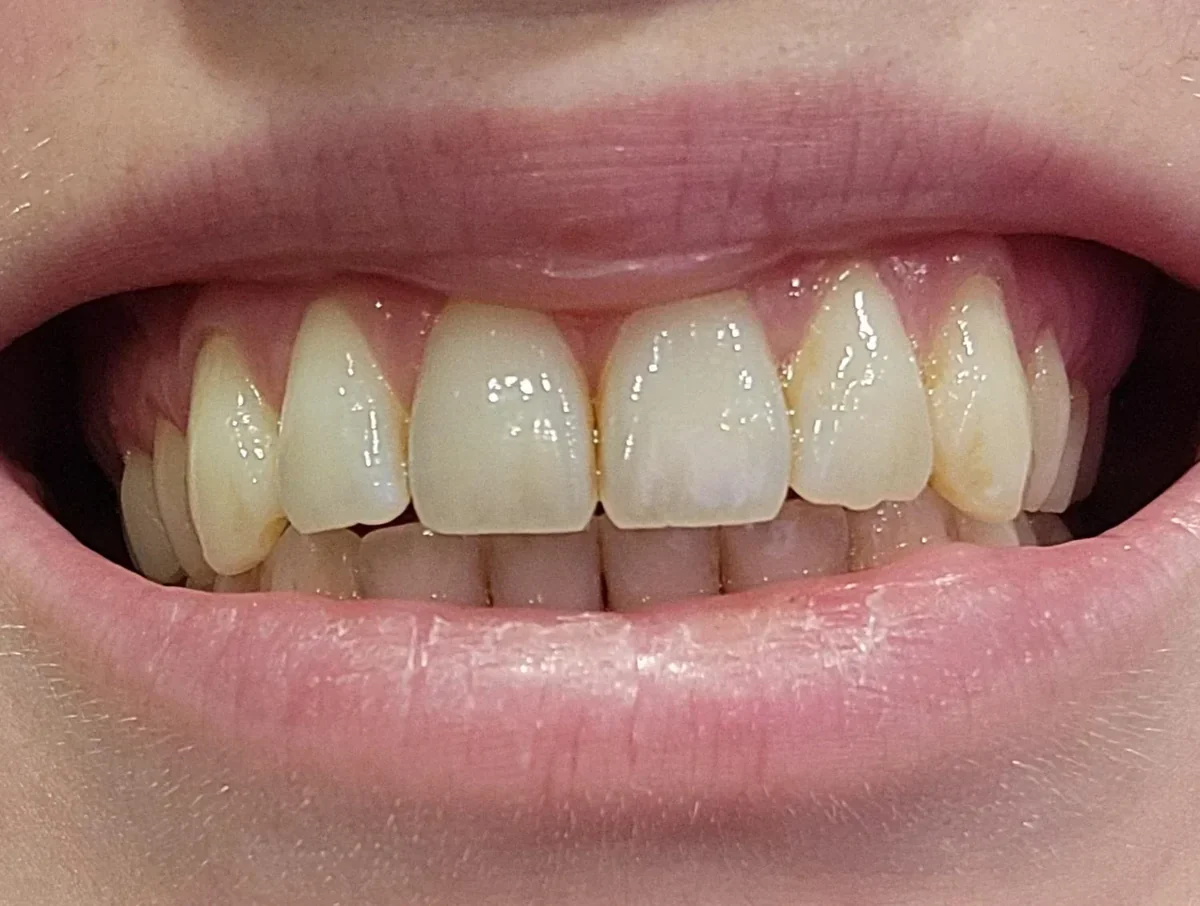
See a dentist if you develop persistent sensitivity, visible white, brown, or dark areas, obvious pits or holes, recurring tooth pain, or changes that continue despite better hygiene. These findings have several possible explanations and cannot be diagnosed from appearance alone.
Prompt care is especially important if pain is accompanied by facial swelling or fever, which can occur when decay progresses to infection.
Frequently Asked Questions
Can enamel grow back after it is lost?
Enamel doesn’t regenerate like skin. Early mineral loss can sometimes be remineralized, but enamel that has been structurally destroyed and formed a cavity generally cannot grow back.
Is sugar itself what damages enamel?
The process is indirect. Certain oral bacteria use sugars and starches and produce acids, and repeated acid exposure can remove minerals from enamel.
Does fluoride strengthen enamel?
Fluoride helps prevent decay from progressing and supports the remineralization of early enamel damage, especially when used consistently through fluoride toothpaste.
Protect Enamel by Changing the Pattern
Enamel protection isn’t built around one perfect food or one special product. Reduce repeated sugar and acid exposure, brush consistently with fluoride toothpaste, clean between teeth, and keep regular dental visits. If sensitivity, discoloration, or visible damage develops, have the tooth examined rather than trying to rebuild significant damage at home.
This article is for general informational purposes and is not a substitute for professional medical advice, diagnosis, or treatment.