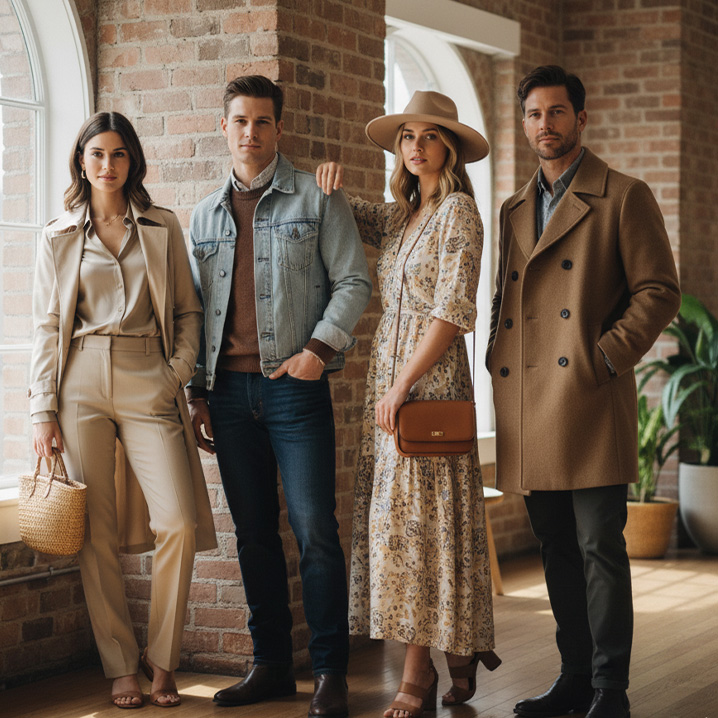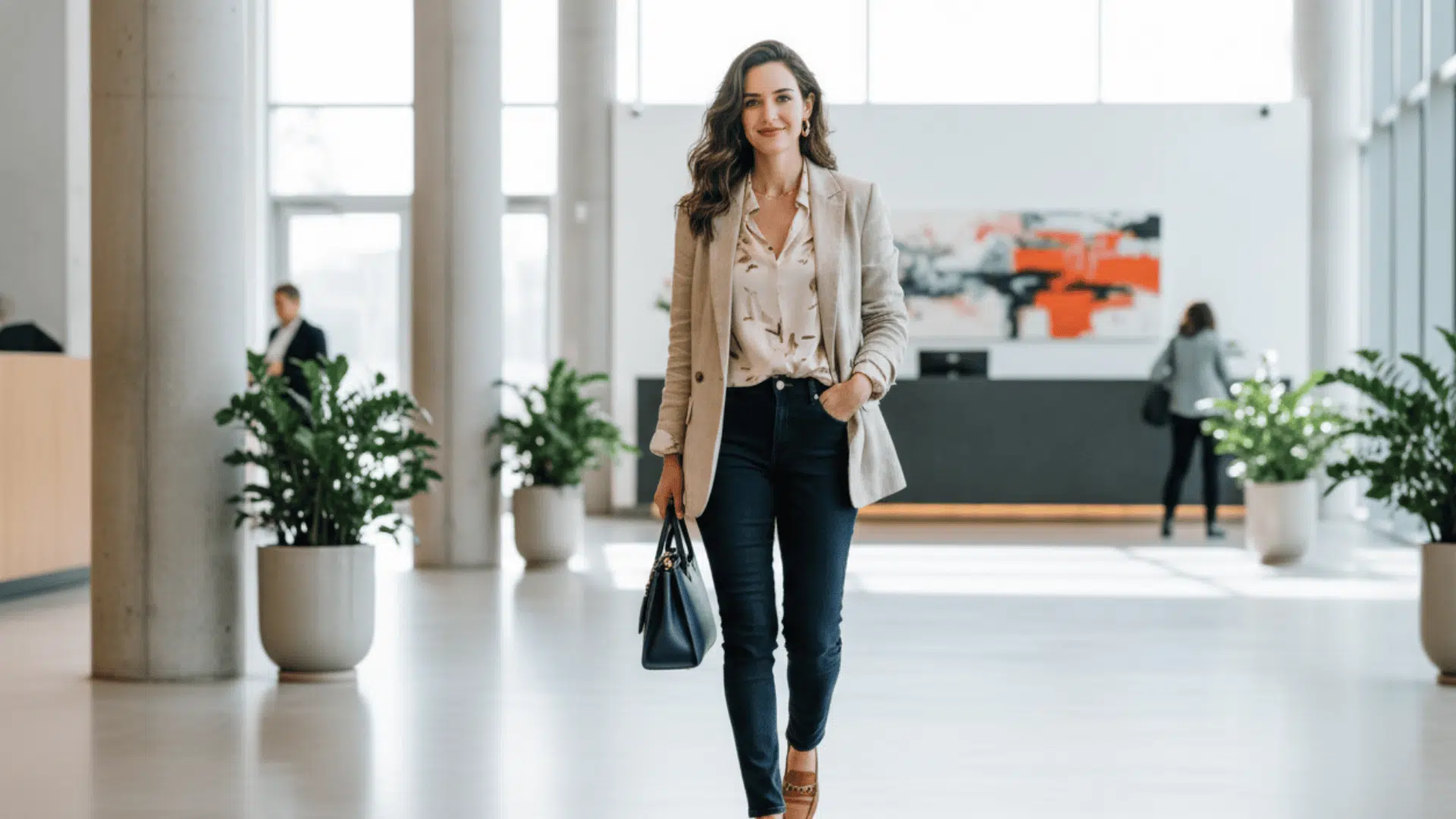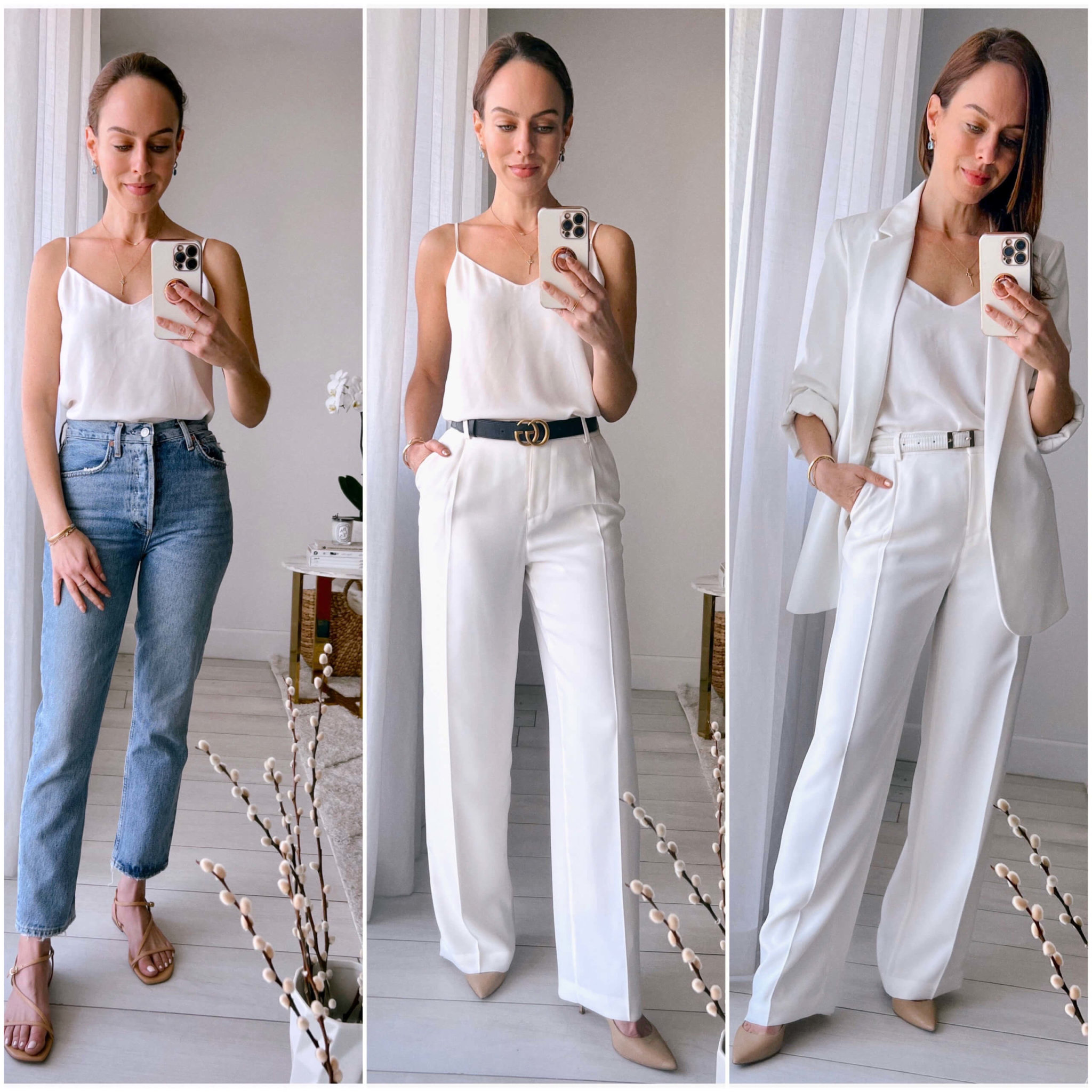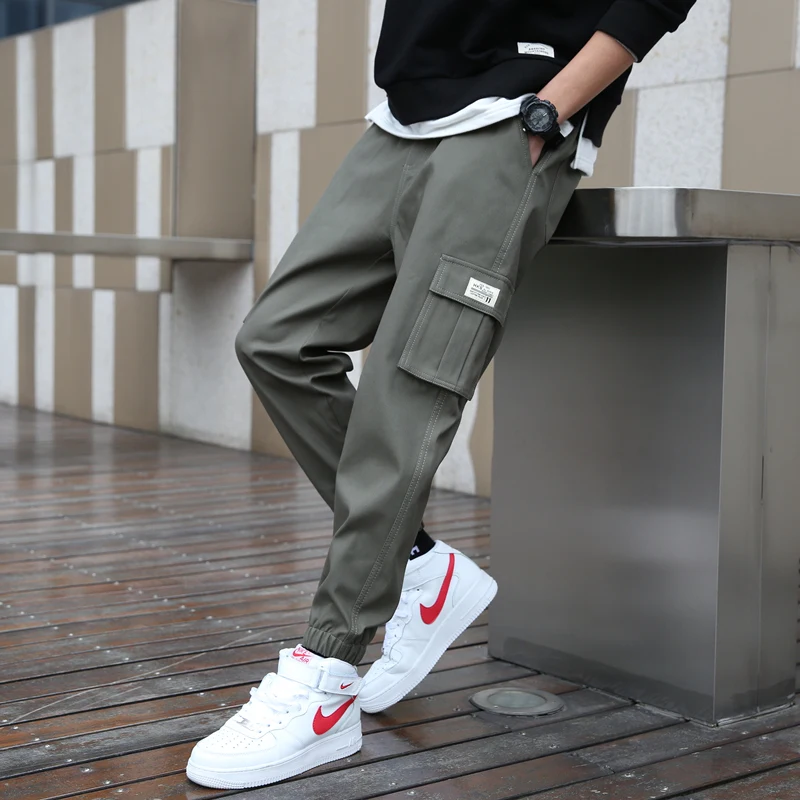
Seasonal Fashion Rotation for Organized Stylish Dressing

A messy closet does not mean you own nothing to wear; it often means your clothes are fighting the wrong season. When your wool coat, linen shirt, gym hoodie, beach shorts, and office blazer all compete for the same space, getting dressed becomes harder than it needs to be. That is where fashion rotation turns a packed wardrobe into a working system. For Americans moving through sharp weather shifts, school calendars, office dress codes, travel weekends, and holiday events, clothing has to keep up with real life, not some perfect showroom version of it.

Seasonal dressing works best when it feels practical, not precious. You do not need a giant walk-in closet or a color-coded fantasy setup. You need a rhythm that tells you what belongs in front of you now and what can wait its turn. A smart rotation also helps you spot what you wear, what you ignore, and what deserves repair before the next cold snap or heat wave arrives. For extra lifestyle and style resources, this kind of modern wardrobe planning can help you think beyond one outfit and build a better daily routine.

Why Seasonal Fashion Rotation Makes Getting Dressed Easier

A strong wardrobe does not begin with buying more clothes. It begins with letting the right clothes show up at the right time. Many people in the United States live through at least three dressing moods each year: heat, chill, and transition. Add workplace expectations, school drop-offs, errands, weekend plans, and special events, and the closet becomes a daily pressure point. Seasonal wardrobe planning lowers that pressure by giving every item a season, a job, and a place.

Building a Closet That Matches Real Weather

American weather rarely behaves politely. A person in Chicago may need a down coat in March, while someone in Phoenix may already be reaching for sandals. A New Yorker may walk through humid subway platforms in September, then need a trench coat by dinner. That is why a seasonal wardrobe should follow local climate patterns instead of calendar labels.

The best move is to divide clothing by wearability, not by theory. Heavy knits, lined boots, wool trousers, and insulated outerwear belong in cold-weather access. Cotton shirts, loose dresses, breathable trousers, and open shoes deserve space when heat starts to shape your day. Transitional pieces sit between both worlds, and they often work hardest.

Closet organization becomes easier when the front rail reflects the weather outside your door. You stop digging past July shorts to find a November sweater. You stop forgetting the lightweight jacket that solves half of spring. The point is not perfection. The point is fewer morning arguments with your own closet.

Keeping Everyday Outfits Within Reach

A working closet should serve your actual week. If you commute to an office in Dallas, your most useful pieces may be wrinkle-resistant shirts, comfortable loafers, and light layers for aggressive air conditioning. If you work from home in Vermont, your daily heroes may be warm socks, soft denim, and sweaters that look decent on video calls.

Outfit planning starts to feel natural when your best pieces sit at eye level. Hang the clothes you reach for most often where your hand already goes. Fold seasonal basics in visible stacks. Put special-occasion items behind daily pieces so they stay protected without blocking your routine.

This sounds simple because it is. People often overcomplicate style by chasing a new look before fixing access. You can own great clothes and still dress badly if the right pieces hide behind the wrong ones. A clear seasonal setup makes good choices easier before coffee has even kicked in.

Sorting Clothes by Use, Not Sentiment

Most closets fail because they become museums. The bridesmaid dress from six years ago, the jeans that almost fit, the sweater that scratches your neck, and the blazer bought for a job you no longer have all sit there collecting emotional dust. A better system respects memory without letting memory run the closet. Seasonal fashion rotation gives you a reason to sort with honesty instead of guilt.

Separating Keepers From Closet Noise

A keeper earns its space through use, fit, comfort, or a clear future event. A black coat you wear every winter earns its hanger. A summer dress that makes you feel polished at cookouts earns its spot. A pair of boots that pinch every time you walk does not earn much, no matter how good they looked online.

Closet organization works best when each item faces one question: will this help me get dressed this season? If the answer is no, it can move to storage, donation, repair, resale, or a memory box. That small question cuts through excuses faster than a long emotional debate.

The counterintuitive truth is that fewer visible clothes can create more outfit options. A crowded closet makes everything feel stale because your eyes cannot settle. A cleaner rail lets patterns appear: the jacket that works with four outfits, the shirt you forgot you loved, the pants that carry weekday style without drama.

Creating Storage Zones That Protect Your Clothes

Storage should protect clothing, not punish it. Off-season pieces need clean, dry, breathable spaces. Sweaters should be folded, not hung into sad shoulder points. Shoes should be cleaned before storage, because dried salt and sidewalk grime can eat away at leather and fabric over time.

For many American homes, space decides the method. Apartment dwellers may use under-bed bins, labeled canvas bags, or high closet shelves. Suburban houses may have basement storage, guest-room closets, or garage shelves, though garages can be risky in humid regions. Climate matters here too.

Capsule wardrobe thinking helps during storage decisions because it forces you to keep the pieces that work together. You are not storing random clothing; you are building the next season’s ready-made base. When summer returns, you should open a bin and feel prepared, not punished by wrinkled chaos.

Planning Outfits Around Your Calendar

Weather matters, but your calendar tells the fuller story. A closet built only around temperature misses the life you actually live. School events, client meetings, long weekends, weddings, road trips, neighborhood dinners, gym routines, and holiday gatherings all pull different clothes into use. Smart outfit planning connects clothing to upcoming needs before panic shopping takes over.

Matching Clothes to Work and Weekend Rhythms

A nurse in Atlanta, a teacher in Ohio, a tech worker in Seattle, and a realtor in Miami do not need the same seasonal wardrobe. Their clothes may share some basics, but their week creates different demands. That is why copying someone else’s capsule list rarely works without adjustment.

Build your rotation around your repeat schedule first. Work clothes deserve the clearest access if you dress for work five days a week. Weekend clothes should feel easy, but they should not swallow the whole closet if you only wear them twice. Event pieces can sit in a smaller zone, ready but not in the way.

A useful capsule wardrobe does not mean wearing bland clothes until your personality disappears. It means your core pieces talk to each other. A navy blazer, straight jeans, white tee, loafers, and a soft knit can support errands, casual Fridays, dinner, and travel with small changes. That kind of flexibility saves money because every piece carries weight.

Preparing for Travel, Holidays, and Sudden Plans

Travel exposes every weak spot in a closet. You find out fast whether your shoes work, whether your jacket layers well, and whether your favorite shirt wrinkles into defeat by lunchtime. A seasonal rotation lets you build small travel groups before the suitcase comes out.

Holiday dressing deserves the same attention. Americans often move from Thanksgiving dinners to office parties, family photos, religious gatherings, airport days, and New Year plans within a short stretch. Keeping a small event-ready section prevents last-minute shopping for clothes you may wear once.

Outfit planning also helps with sudden plans. A clean dinner shirt, polished shoes, a coat that fits over real layers, and one reliable dress or trouser combo can rescue a night out, a meeting, or a family gathering. Style confidence often comes from knowing you have an answer ready.

Maintaining the System Without Making It a Chore

A seasonal closet should not become a second job. The whole point is to make dressing easier, not create another lifestyle project that collapses after two weeks. Maintenance works when it fits into habits you already have: laundry days, Sunday resets, weather changes, and the first moment you notice a piece no longer pulls its weight.

Reviewing Pieces Before Each Season Starts

The best time to review clothes is before the season demands them. Check coats before the first freeze. Try sandals before summer trips. Test jeans before fall weekends. This small head start keeps you from discovering a missing button ten minutes before leaving the house.

Seasonal wardrobe reviews should be honest but not harsh. Bodies change. Jobs change. Taste changes. A piece that once made sense may no longer belong in your daily life, and that does not mean you failed. It means the closet needs to catch up with you.

A simple review list helps without turning the process into homework:

  • Keep what fits your body and your current life.
  • Repair what you still love and will wear soon.
  • Store what belongs to another season.
  • Donate or sell what keeps surviving only through guilt.

That is enough structure. Anything more can become procrastination dressed as planning.

Buying Less, But Buying With Better Timing

Seasonal rotation changes how you shop because it reveals gaps before they become emergencies. You may notice in April that you own plenty of tops but no breathable work pants. You may see in October that your coat still works, but your boots need replacing. This timing protects your budget.

Buying at the right moment also beats buying under pressure. End-of-season sales can help, but only if you know what your wardrobe lacks. A discounted jacket is not a deal if it repeats one you already own. A full-price pair of shoes can be worth it if it solves three months of daily dressing.

Closet organization supports better shopping because it makes duplication obvious. When your clothes are visible, you stop buying another black sweater by accident. You start choosing pieces that complete outfits instead of feeding a pile. That shift feels small until you see how much money and space it saves.

Conclusion

A closet should not make you feel behind before the day has started. It should meet you where you are, with clothes that match the season, your schedule, your climate, and your actual body. The strongest wardrobes are not the biggest ones. They are the ones edited with enough honesty to serve the life happening now.

Fashion rotation gives you a practical way to stop treating style as a daily scramble. It turns hidden clothes into planned resources, makes shopping less reactive, and helps you see which pieces deserve a place in your routine. The real win is not a prettier closet photo. The real win is getting dressed with less doubt and more control.

Start with one rail, one drawer, or one storage bin this week. Pull forward what belongs to the season you are living in, move the rest out of your way, and let your wardrobe become a tool instead of a storage problem.

Frequently Asked Questions

How do I start a seasonal wardrobe rotation at home?

Begin by removing clothes that clearly do not match the current weather. Clean, fold, and store those pieces away, then bring forward items you can wear during the next eight to twelve weeks. Keep daily basics easiest to reach and review damaged pieces before storing them.

What clothes should stay in my closet all year?

Year-round pieces usually include jeans, basic tees, light sweaters, office layers, sneakers, neutral trousers, and versatile jackets. The exact mix depends on your climate and routine. Keep anything you wear across multiple seasons in the main closet rather than hiding it away.

How often should I rotate my seasonal wardrobe?

Most people do well with two major rotations and two smaller refreshes each year. Spring and fall are the best times for deeper edits, while summer and winter may only need quick adjustments based on heat, cold, travel, or work demands.

What is the easiest way to organize off-season clothes?

Clean everything first, then group clothes by category before storing them in labeled bins, breathable bags, or high shelves. Fold knits, protect shoes, and avoid damp areas. Good labels matter because future you will not remember which box holds the sweaters.

How can outfit planning save time in the morning?

Prepared outfits remove small decisions before your day begins. When tops, bottoms, shoes, and layers already work together, you stop testing random combinations under pressure. Even planning three reliable outfits per week can make mornings feel calmer and more controlled.

Is a capsule wardrobe good for seasonal dressing?

A capsule wardrobe works well when it reflects your real life instead of a rigid number of items. Choose pieces that mix easily, fit your schedule, and suit your climate. The goal is not owning less for show; it is owning enough that works harder.

How do I know which clothes to donate during a closet edit?

Donate clothes that no longer fit, feel uncomfortable, clash with your current style, or sit untouched through their proper season. Keep sentimental pieces separately if needed. Daily closet space should belong to clothes that help you get dressed now.

What is the biggest mistake people make with closet organization?

The biggest mistake is organizing everything without editing anything. Neat clutter still creates stress. Remove what does not belong to the season, your body, or your routine first, then organize what remains so every visible piece has a clear purpose.

Timeless Fashion Essentials for Elegant Daily Dressing

The best-dressed people in America rarely look like they tried the hardest. They look prepared. That quiet confidence is the real power of fashion essentials, because the right pieces make daily dressing feel calmer, sharper, and far less dependent on trends. A closet should not feel like a crowded store rack where nothing speaks to anything else. It should feel like a trusted rhythm.

Across busy U.S. mornings, from school drop-offs in Austin to office commutes in Chicago, people need clothes that work without demanding attention. A well-built wardrobe gives you more than outfits; it gives you control over how you enter a room. Style resources such as modern lifestyle publishing networks often point to the same truth: elegance lives in consistency, not excess.

Elegant daily dressing starts when you stop buying for fantasy days and start dressing for the life you actually live. That does not mean plain. It means intentional, polished, and ready.

Fashion Essentials That Make Daily Style Feel Effortless

A strong wardrobe begins with pieces that earn their space every week. Most people do not struggle because they lack clothing; they struggle because they own too many pieces that only work once. The smarter approach is to build around items that move easily between errands, meetings, dinners, and quiet weekends.

Classic Wardrobe Staples That Work Across Real American Days

Classic wardrobe staples should never feel stiff or old-fashioned. A crisp white button-down, dark straight-leg jeans, a tailored blazer, clean loafers, and a neutral knit can carry you through more situations than a dozen trend pieces ever could. These items work because they give structure without stealing the whole outfit.

American dressing has a practical streak, and that is not a weakness. A woman in Denver might wear the same wool coat over office trousers on Monday and relaxed denim on Saturday. A man in Boston might pair one navy blazer with chinos, dark jeans, or a fine-gauge sweater depending on the day. That kind of range is where real value appears.

Classic wardrobe staples also help you avoid panic buying. When your closet has a reliable center, you stop grabbing random pieces before trips, events, or workweeks. The goal is not to own less for the sake of owning less. The goal is to own better.

Elegant Outfits Start With Fit Before Fabric

Elegant outfits often fail for one reason: the fit is almost right. Almost right is not enough. A sleeve that drags, jeans that bunch at the ankle, or a blazer that pulls across the chest can make expensive clothing look careless.

Fit does not mean tight. It means the garment respects your body instead of fighting it. Trousers should skim without clinging, shirts should sit cleanly at the shoulder, and coats should leave room for a layer underneath. Tailoring is not only for formalwear anymore; it is one of the fastest ways to make everyday style look intentional.

Many Americans skip alterations because they assume tailoring is costly or fussy. The truth is simpler. Hemming trousers, adjusting sleeves, or taking in a waist can turn an average piece into something you reach for twice a week. That is how elegant outfits become easy instead of occasional.

Building a Closet Around Color, Texture, and Balance

Once the core pieces are in place, style depends on how those pieces speak to each other. Color and texture decide whether an outfit feels flat or finished. The trick is not to own every shade; it is to know which shades make your wardrobe easier.

Everyday Style Looks Better With a Controlled Color Story

Everyday style becomes easier when your closet has a clear color direction. Navy, black, ivory, camel, gray, denim blue, and olive work well across most American wardrobes because they mix without much thought. These colors do not shout, but they rarely fail.

A controlled palette also makes shopping smarter. If you know cream sweaters, dark denim, and camel outerwear already work for you, you stop chasing colors that look good on hangers but sit untouched at home. This saves money, space, and morning energy.

The unexpected part is that fewer colors can make you look more distinct. When your wardrobe has a point of view, people notice the consistency. Everyday style does not need constant novelty; it needs a signature that feels like you.

Texture Gives Simple Clothing More Presence

Texture is what keeps neutral dressing from looking dull. A cotton shirt, suede loafer, ribbed knit, wool coat, leather belt, and crisp denim can all sit in the same color family while still creating depth. That difference matters when you prefer clean outfits.

Texture also helps across American seasons. In Los Angeles, a linen shirt and leather sandal can carry a warm day without looking underdressed. In New York, a wool scarf and structured coat can make a simple black outfit feel rich. The pieces do not need to be loud because the materials are doing quiet work.

A good rule is to mix one soft texture with one structured texture. A cashmere sweater with tailored trousers feels balanced. A silk blouse under a denim jacket feels relaxed but polished. Small contrasts make simple dressing look considered.

How to Dress Elegantly Without Looking Overdone

Elegance loses its charm when it feels staged. The goal is not to look like you dressed for a photo shoot on a normal Tuesday. The goal is to look put together in a way that still belongs to your actual day.

Polished Casual Dressing Works Best With One Sharp Element

Polished casual dressing needs one anchor piece. That might be a blazer, a structured bag, a leather belt, pointed flats, pressed trousers, or a clean coat. One sharp element can lift the rest of the outfit without making it feel formal.

A simple example works across many U.S. cities: dark jeans, a white tee, a camel coat, and loafers. Nothing about that outfit is complicated. Still, it looks more mature than leggings and a sweatshirt because one or two pieces bring shape and finish.

This is where fashion essentials prove their worth in the main body of your closet. You do not need to dress up every piece. You need one item that sets the tone, then the rest can relax around it.

Accessories Should Finish the Outfit, Not Fight It

Accessories can ruin a good outfit when they compete for attention. A clean watch, small hoops, a leather tote, a silk scarf, or a refined belt often does more than a pile of statement pieces. Elegance has restraint built into it.

That does not mean accessories should be boring. A deep burgundy bag, tortoiseshell sunglasses, or a sculptural ring can give personality without overwhelming the outfit. The difference is intention. One strong accent feels chosen; five accents feel nervous.

Elegant outfits gain power when the eye knows where to land. Choose one focal point and let the rest support it. That single decision can make a basic outfit feel edited instead of unfinished.

Making Your Wardrobe Last Beyond One Season

A timeless closet is not frozen in time. It changes slowly, with care. The strongest wardrobes in the USA adapt to weather, work, family, travel, and age without chasing every microtrend that shows up online.

Buy for Repeat Wear, Not the Perfect Occasion

Repeat wear is the real test of a garment. A dress that only works for one dinner may be beautiful, but a knit dress that works with boots, sneakers, a coat, and a belt earns far more space. Cost per wear beats sale price every time.

This mindset changes how you shop. Instead of asking, “Do I like this?” ask, “Can I wear this at least three ways in my actual life?” If the answer is no, the piece may belong in someone else’s closet.

American shoppers face endless seasonal promotions, and the pressure to buy can feel constant. The best defense is a clear wardrobe standard. When a piece cannot support your everyday style, leave it behind.

Care Habits Turn Good Clothes Into Long-Term Style

Clothing care is part of elegance, though people rarely talk about it. A brushed coat, polished shoes, steamed shirt, and properly stored knit can make affordable pieces look refined. Neglect can make luxury look tired.

Start with small habits. Hang jackets on wide hangers, fold sweaters instead of stretching them, treat stains early, and rotate shoes so they can rest between wears. These actions take minutes, but they protect the shape and finish of your wardrobe.

Timeless dressing is not about refusing change. It is about building a closet that can grow with you. When your fashion essentials are chosen well and cared for properly, getting dressed stops feeling like a daily problem and starts feeling like a quiet advantage.

Conclusion

Elegant dressing is not reserved for special events, expensive neighborhoods, or people with endless closet space. It belongs to anyone willing to choose with more care and less impulse. A thoughtful wardrobe lets you move through ordinary American days with steadiness, whether you are walking into a meeting, hosting friends, or heading out for coffee on a cold morning.

The next step is simple: audit your closet this week and pull out the pieces you wear often, feel good in, and can style in more than one way. Those are your true fashion essentials. Build around them before buying anything new.

Style becomes easier when your closet stops arguing with your life. Choose pieces that support the person you are becoming, and getting dressed will start to feel like confidence before the day even begins.

Frequently Asked Questions

What are the best timeless fashion essentials for women?

A strong women’s wardrobe starts with tailored trousers, dark denim, a white shirt, a neutral blazer, a knit sweater, loafers, clean sneakers, and a polished coat. These pieces work across workdays, weekends, dinners, and travel without feeling tied to one trend.

How can men build elegant daily dressing habits?

Men can start with fit, clean shoes, pressed shirts, dark jeans, chinos, knit polos, and structured jackets. The habit matters more than the price. Clothes should look cared for, sit well on the body, and match the setting without looking forced.

What colors make everyday style look more expensive?

Navy, black, ivory, camel, charcoal, olive, chocolate brown, and denim blue often look polished because they mix easily. These shades also age well across seasons. A focused color palette makes outfits look more intentional even when the pieces are simple.

How many classic wardrobe staples does a person need?

Most people can build a strong base with 15 to 25 reliable pieces. The number matters less than the range. Each item should work with several others, suit your real schedule, and feel good enough to wear often.

How do elegant outfits stay comfortable for daily wear?

Comfort comes from breathable fabrics, proper fit, and smart layering. Choose waistbands that move, shoes with support, coats with room for knits, and shirts that do not pull. Elegant clothing should support your day, not distract from it.

What is the easiest way to upgrade a simple outfit?

Add one structured piece. A blazer, tailored coat, leather belt, polished shoe, or clean handbag can lift jeans and a plain top fast. The outfit still feels relaxed, but the sharper item gives it shape and purpose.

How can I avoid wasting money on fashion trends?

Wait before buying trend pieces and ask whether the item works with at least three things you already own. Trends become expensive when they need a whole new outfit around them. Strong wardrobes absorb new pieces without losing their identity.

Why does fit matter more than brand name in daily dressing?

Fit decides how clothing reads on the body. A well-fitted affordable shirt can look sharper than a costly one with poor proportions. Shoulders, hems, sleeves, and waistlines shape the full impression before anyone notices the label.

Fashion Tips for Taller Body Type Styling

Being tall can make clothes look expensive before you even check the label, but it can also make bad proportions louder than they deserve to be. The goal of taller body type styling is not to make you look shorter; it is to make your height look intentional, balanced, and confident in everyday American settings, from office days in Chicago to weekend brunch in Austin. Tall frames have presence, and presence needs direction. A long coat, stacked denim, oversized hoodie, or wide-leg trouser can look sharp when the shape is controlled, but the same pieces can turn awkward when length, fit, and visual weight fight each other. Style is not about hiding height. It is about deciding where the eye should land. A polished wardrobe works like a good personal branding strategy: every detail supports the impression you want to leave. Once you understand proportion, tall outfit ideas stop feeling like guesswork and start feeling like an advantage.

Taller Body Type Styling Starts With Proportion

Height gives you more visual space to work with, but that space needs structure. A tall frame can carry longer lines, heavier fabrics, and bolder shapes, yet too much length without breaks can make an outfit feel stretched out. American style often leans casual, which makes proportion even more important because jeans, T-shirts, sneakers, jackets, and workwear pieces dominate daily dressing.

Use Visual Breaks Without Cutting Your Frame Awkwardly

A visual break gives the eye a place to pause. For tall people, that pause can come from a belt, a tucked shirt, layered outerwear, a color shift, or a change in fabric texture. The point is not to chop your height into pieces. The point is to keep the outfit from becoming one long uninterrupted column.

A simple example works well: dark straight-leg jeans, a white tee, a brown belt, and a cropped suede jacket. Nothing screams for attention, but the belt and jacket create natural stops. That small structure makes the outfit feel styled instead of accidental.

Tall outfit ideas often fail when every piece runs long. A longline tee under a long cardigan with slim pants can make the body look narrow and endless. Swap one of those long pieces for a shorter jacket or a tucked knit, and the same outfit gains shape.

Choose Fit Before You Choose Size

Tall shoppers often size up to chase sleeve length or pant length, then wonder why the outfit looks sloppy. Size is not the same as fit. A shirt can reach your wrists and still collapse around your shoulders, chest, or waist.

The better move is to prioritize shoulder placement, rise, inseam, and sleeve length as separate fit points. For example, a tall man buying a blazer in New York should check whether the shoulder seam sits cleanly before worrying about the sleeve. A tall woman buying trousers in Los Angeles should check the rise and hip fit before obsessing over the hem.

Clothing for tall figures should follow the body without clinging to every line. A fitted ribbed top, relaxed trouser, and clean sneaker can look balanced because each piece has a role. When every item is oversized, height can turn into bulk. When every item is tight, height can turn into stiffness.

Build Outfits Around Balance, Not Camouflage

The worst style advice tall people hear is usually about shrinking themselves. That advice misses the point. Height is not a flaw to correct. It is a feature to frame with smart choices that make the whole outfit feel settled.

Pair Volume With Shape

Volume works well on tall frames because there is enough length to carry it. Wide-leg trousers, boxy jackets, oversized coats, and relaxed denim can all look strong. The trick is adding shape somewhere else so the outfit does not drift.

A wide-leg pant looks better with a tucked tee, cropped jacket, fitted tank, or structured button-down. A roomy hoodie looks cleaner with straight or tapered pants instead of another loose piece that adds weight from shoulder to ankle. One big shape at a time usually wins.

This is where tall fashion advice gets practical. A six-foot woman wearing a long wool coat over wide trousers can look elegant if the coat has a defined shoulder and the trousers break cleanly over the shoe. Remove that structure, and the outfit may feel like fabric is wearing the person.

Use Color Placement To Control Attention

Color can guide the eye more quietly than fit. A monochrome outfit can look sleek on tall people, but it needs texture or contrast to avoid looking flat. A navy knit with dark denim and black boots works better when the knit has ribbing, the denim has weight, and the boots add polish.

Color blocking also helps. A lighter top with darker pants draws attention upward. A darker jacket over a lighter base creates a frame around the torso. A bold shoe can ground a long leg line, especially with cropped or full-length pants.

Taller body type styling becomes easier when you stop treating color as decoration and start treating it as direction. If you want the eye near your face, use contrast at the collar, neckline, scarf, or jacket. If you want the outfit grounded, use deeper colors or heavier textures near the shoes.

Smart Pieces That Work Hard For Tall Frames

A tall wardrobe should not depend on trendy pieces that only work once. The best clothes for height earn their space because they solve repeat problems: sleeve length, pant break, shoulder balance, torso proportion, and layering depth.

Invest In Jackets That Create Shape

Jackets matter because they control the upper body. A cropped denim jacket can balance long legs. A tailored blazer can sharpen a tall frame for work. A bomber jacket can add width without adding unnecessary length.

The key is choosing jackets with clear structure. Soft, shapeless outerwear can hang too far down and make the outfit feel tired. A clean shoulder, good sleeve length, and planned hemline do more than any logo or trend detail.

Clothing for tall figures should include at least one jacket that ends around the high hip, one that reaches mid-thigh, and one longer coat for colder months. That range gives you options instead of forcing every outfit into the same vertical line.

Treat Pants As The Foundation

Pants can make or break tall style. A poor inseam looks obvious on long legs, while the right break makes even basic clothes look considered. Full-length trousers should touch the shoe with control, not puddle randomly or hover above the ankle unless cropped by design.

High-rise pants can work well because they make the waist look intentional. Mid-rise jeans are also useful for casual outfits, especially with tucked shirts or shorter jackets. Low-rise cuts are harder because they can lengthen the torso and make proportions feel loose.

Tall outfit ideas become stronger when pants lead the outfit. Start with the leg shape first: straight, wide, tapered, or relaxed. Then build the top around it. This avoids the common mistake of choosing a great shirt and pairing it with pants that throw off the entire silhouette.

Everyday Styling Choices That Make Height Look Intentional

Good tall style lives in small decisions. The right cuff, collar, belt width, shoe shape, or necklace length can change how an outfit reads. These choices matter because height already attracts attention, so the details need to look deliberate.

Pick Shoes That Ground The Outfit

Shoes carry more visual weight on tall frames because there is more vertical space above them. Thin, delicate shoes can work, but they sometimes look disconnected from relaxed denim, wide trousers, or heavy coats. A cleaner, slightly stronger shoe often gives the outfit a better base.

Chunky sneakers, loafers, Chelsea boots, platform sandals, and structured flats can all work depending on the outfit. The goal is not to add height or avoid it. The goal is to make the shoe feel strong enough for the clothes above it.

Tall fashion advice often treats shoes like an afterthought, but they decide the finish. A straight-leg jean with a slim sneaker feels casual and neat. The same jean with a heavier boot feels grounded and more confident. Neither is wrong, but each sends a different signal.

Use Accessories With Scale In Mind

Accessories should match the size and energy of the frame. Tiny bags, narrow belts, and delicate jewelry can look beautiful, but they need purpose. On taller bodies, medium to larger accessories often feel more natural because they do not disappear against the outfit.

A wider belt can define the waist without looking harsh. A longer necklace can sit well over a knit or dress. A larger tote can look balanced with a long coat. These details add rhythm without shouting.

Clothing for tall figures gets stronger when accessories connect the outfit rather than decorate it randomly. A leather belt that matches boots, a scarf that echoes a trouser tone, or sunglasses that suit your face shape can make the whole look feel settled.

Confidence Comes From Editing, Not Adding

Style improves when you remove the pieces that fight your frame. Tall people can carry more fabric, more contrast, and more dramatic shapes, but that does not mean every outfit needs all three. Editing is what separates strong personal style from a pile of good clothes.

A useful rule is to check the outfit in three zones: shoulder to waist, waist to knee, and knee to shoe. Each zone should have a clear reason for what it is doing. If one area looks forgotten, the whole outfit loses force.

Fashion Tips for Taller Body Type Styling should leave you with one clear habit: dress your height like an asset that deserves planning. Start with fit, add proportion, ground the outfit, and let one detail carry personality. Your next step is simple: choose one outfit you already wear often, adjust only the proportions, and see how much sharper your height looks when every line has a job.

Frequently Asked Questions

What are the best fashion tips for tall women in the USA?

Start with proportion, not size. Tall women look polished in high-rise trousers, clean jackets, midi dresses, wide-leg pants, and structured coats. The goal is to balance length with shape, so mix fitted pieces with relaxed ones instead of wearing loose layers from top to bottom.

How should tall men dress for better proportions?

Tall men should focus on shoulder fit, pant break, and jacket length. Straight-leg jeans, tailored overshirts, textured knits, and cropped jackets help create balance. Avoid sizing up only for length because extra fabric through the body can make the outfit look careless.

What clothes look best on tall body types?

Structured jackets, straight or wide-leg pants, midi skirts, clean denim, long coats, and well-fitted knits usually work well. Tall bodies can handle strong shapes, but the best outfits include visual breaks through belts, layers, color shifts, or texture changes.

Are oversized clothes good for tall people?

Oversized clothes can look great on tall people when the outfit still has shape. Pair a roomy hoodie with straight pants or a boxy jacket with a fitted top. Wearing oversized pieces everywhere can make the outfit look heavy rather than stylish.

What jeans are best for taller body type styling?

Straight-leg, relaxed, wide-leg, and bootcut jeans usually flatter tall frames because they match the length of the body. Choose the correct inseam and rise first. A clean break at the shoe makes jeans look intentional instead of too short or borrowed.

How can tall people wear layers without looking bulky?

Use layers with different lengths and weights. A fitted base layer, shorter jacket, and longer coat can create depth without adding bulk. Keep one layer structured so the outfit has a clear shape instead of turning into a stack of fabric.

Should tall people avoid heels or platform shoes?

Tall people do not need to avoid heels or platforms. Shoes should match the outfit, not apologize for height. A platform loafer, heeled boot, or wedge sandal can look confident when the rest of the outfit feels balanced and grounded.

What colors help tall outfits look balanced?

Color blocking, tonal dressing, and darker grounding pieces work well. Use contrast near the waist, neckline, or shoes to guide attention. A tall outfit feels more balanced when color placement creates rhythm instead of letting the eye run from head to toe without pause.

Cargo Pants Fashion for Modern Casual Streetwear

A good pair of cargos can make a plain outfit look intentional before you add a jacket, chain, or sneaker flex. That is why Cargo Pants Fashion keeps showing up across American sidewalks, college campuses, airport fits, weekend coffee runs, and downtown nights without looking like a trend begging for attention. The appeal is simple: cargos give you shape, storage, attitude, and comfort in one move.

The trick is not wearing them like leftover military gear or oversized throwback pants from a forgotten mall rack. The trick is knowing how to balance volume, color, fabric, and footwear so the outfit feels current. USA street style moves fast, but practical clothes last longer than hype. Brands, creators, and style publishers that understand this shift often build stronger visibility through smart streetwear media placement, including platforms like fashion PR visibility that connect style stories with wider audiences.

Cargos work because American casual dressing has changed. People want clothes that move from errands to dinner without a full outfit change. When styled with restraint, cargos do exactly that.

Cargo Pants Fashion Starts With Fit, Not Pockets

Fit decides whether cargos look sharp or sloppy. Pockets may get the attention, but the silhouette controls the outfit. A wide pair can look relaxed and expensive, while a poorly cut pair can make even clean sneakers look tired. That difference matters because casual streetwear outfits live or die by proportion.

Why relaxed fits beat baggy chaos

Relaxed cargo pants look best when they give your legs room without swallowing your frame. The sweet spot sits between straight-leg denim and full skate pants. You want space through the thigh, a clear line below the knee, and enough structure that the fabric does not collapse around your shoes.

American streetwear has leaned into comfort, but comfort does not excuse mess. A pair of men’s cargo pants with a clean straight cut can work with a heavyweight tee, a bomber jacket, and leather sneakers because each piece has visual weight. The outfit feels calm instead of crowded.

Women’s styling follows the same rule with a different range. Women’s cargo pants can sit low and loose with a cropped knit, or high-waisted with a fitted tank and cropped jacket. The shape changes the mood. Low-rise reads relaxed and downtown, while high-rise reads polished and intentional.

The pocket size matters more than most people think. Oversized pockets on a soft fabric can balloon at the hip and make the pants look wider than they are. Smaller flap pockets keep the military reference without turning the outfit into costume.

The ankle decides the attitude

The bottom opening of your cargos controls the whole read. A cinched ankle feels sporty and works with running shoes, retro trainers, and chunky sneakers. A straight hem feels cleaner and pairs better with loafers, boots, and low-profile shoes.

That small detail changes where the outfit belongs. Cuffed cargos can handle a Saturday grocery run in Austin or a walk through Brooklyn. Straight-leg cargos can sit at a casual office, dinner patio, or low-key gallery night without looking underdressed.

Cropped hems add another layer. When cargos hit slightly above the shoe, they show intention. The shoe gets room to breathe, and the outfit looks styled instead of accidental. This works well with urban casual style because the pants bring utility while the exposed shoe keeps the look light.

Avoid stacking too much fabric over bulky sneakers unless the whole outfit supports that weight. Heavy pants, heavy shoes, oversized hoodie, and a large jacket can turn into a pile of fabric. One oversized piece usually feels cool. Four oversized pieces feel like hiding.

Building Casual Streetwear Outfits Around Cargos

Cargos should not fight every other piece you wear. They already bring texture, pockets, and shape, so the rest of the outfit needs a clear job. Some pieces support the pants, some sharpen them, and some make them look cheaper than they are.

T-shirts, hoodies, and jackets need contrast

A plain tee works with cargos because it gives the pants room to lead. That does not mean the tee should be thin, stretched, or lifeless. A heavyweight cotton shirt in black, white, gray, navy, or washed brown gives casual streetwear outfits a solid base.

Hoodies work best when the fabric has weight and the fit has shape. A cropped hoodie can balance wider cargos, while a longer hoodie works better with straighter pants. The common mistake is pairing soft, sagging cargos with a soft, sagging hoodie. Nothing anchors the outfit.

Jackets bring the outfit into focus. A denim jacket with olive cargos gives a classic American feel without trying too hard. A cropped bomber adds shape around the waist. A leather jacket turns cargos into nightwear, especially when the pants are black or charcoal.

For a real-world example, take a simple Los Angeles weekend fit: stone cargos, white tee, black cropped jacket, and gray sneakers. Nothing screams for attention, but the proportions do the work. The outfit looks current because each piece knows its place.

Sneakers are not the only answer

Sneakers are the obvious move, but they are not the only good one. Retro runners, skate shoes, hiking-inspired sneakers, and clean court shoes all work with cargos. The key is matching the shoe’s weight to the pant’s shape.

Chunkier sneakers need wider or more structured pants. Slimmer sneakers need straighter cargos or a slight crop. When the shoe looks too tiny under a wide pant, the outfit loses balance. When the shoe looks too large under a narrow cargo, the outfit feels bottom-heavy.

Boots give men’s cargo pants more edge, especially in colder cities like Chicago, Boston, Denver, and New York. A matte black boot with dark cargos creates a strong line from knee to floor. It looks practical, not dressed up.

Loafers create the surprise. They work because they clash slightly with the utility feel of cargos. A black loafer, ribbed socks, relaxed cargos, and a clean knit can look smarter than jeans without sliding into formal territory. Not every pair can pull this off. A straighter cargo does it best.

Choosing Colors and Fabrics for American Streetwear

Color turns cargos from basic pants into a style decision. Fabric decides whether they look rugged, polished, cheap, or seasonal. The right pair should feel tied to your daily life, not copied from a lookbook that ignores where you live.

Neutrals carry the most mileage

Olive, black, tan, gray, navy, and brown remain the strongest cargo colors because they work with American wardrobes. These shades pair with denim jackets, hoodies, varsity jackets, puffers, flannels, and simple tees without creating conflict.

Olive gives the clearest cargo identity, but it can feel predictable when styled with military colors from head to toe. Pair it with cream, faded blue, washed black, or burgundy to soften the reference. The pants still feel grounded, but the outfit feels more personal.

Black cargos are the easiest entry point for urban casual style. They hide pocket bulk, work with almost any sneaker, and move from day to night with less effort. Black also makes budget cargos look cleaner because shadows hide fabric flaws.

Tan cargos feel more relaxed and warmer. They suit spring and summer fits, especially in cities with bright sidewalks and outdoor dining culture. Pair them with white, navy, forest green, or washed red for a casual American feel that does not look overplanned.

Fabric changes the season and mood

Cotton twill gives cargos their classic structure. It holds shape, ages well, and makes pockets look intentional. Ripstop fabric feels lighter and sportier, often better for warmer weather or travel days when you want movement.

Nylon cargos lean into techwear, but they can look noisy if the fabric shines too much. Matte nylon works better for daily wear because it keeps the outfit grounded. The goal is utility, not astronaut cosplay.

Canvas cargos bring weight and durability. They work well in fall with flannels, work jackets, and boots. A canvas pair in brown or faded black can replace jeans when denim starts to feel too expected.

Linen-blend or lightweight cotton cargos deserve more attention in hot states. In Florida, Texas, Arizona, and Southern California, heavy pants can ruin a good outfit before noon. A lighter cargo keeps the same shape while letting your clothes breathe.

Styling Cargos Without Looking Overdone

The best cargo outfits look considered, not decorated. Accessories, layers, and proportions should support the pants instead of turning the outfit into a costume. Streetwear has room for personality, but it punishes clutter fast.

Keep accessories useful and limited

Accessories work with cargos when they feel connected to the outfit’s purpose. A clean cap, crossbody bag, watch, or simple chain can finish the look. Too many add-ons make the pockets look like part of a survival kit.

A crossbody bag pairs well with cargos because it echoes the utility mood without adding more bulk to the legs. Keep the bag smaller if the pants already have large pockets. Balance matters more than matching.

Belts can sharpen wide cargos, especially when the shirt is tucked or cropped. A black web belt feels casual, while a leather belt can make the outfit more refined. The wrong belt, though, can age the look fast. Oversized logos and loud buckles usually distract from the clean utility feel.

Jewelry should stay controlled. Silver works well with black and gray cargos. Gold can warm up tan, brown, and olive pairs. One strong piece beats five weak ones, especially when the pants already carry visual detail.

Dress them up without killing the streetwear feel

Cargos can handle smarter pieces when the fit stays relaxed. A knit polo, cropped wool jacket, or boxy overshirt can lift the outfit while keeping it casual. The mistake is pairing rugged cargos with a dress shirt that belongs at a wedding brunch.

Women’s cargo pants can look elevated with a fitted ribbed top, pointed flats, and a cropped blazer. The pants keep the outfit grounded, while the sharper pieces add tension. That tension is where the style lives.

For men, a textured sweater with straight black cargos and leather sneakers can work in a casual creative office or dinner setting. The outfit feels mature without giving up comfort. That balance explains why cargos keep returning even when trend cycles move on.

The cleanest dressed-up cargo looks usually avoid loud graphics. A graphic tee can work, but it should not battle the pockets, shoes, and layers. When in doubt, remove one noisy item. Cargos reward editing.

Wearing Cargos With Confidence Across Real Life

Style advice often fails because it treats clothes like photos instead of habits. Cargos have to work when you sit, walk, commute, spill coffee, carry keys, and move through a full day. That practical side is not boring. It is the reason they matter.

Match the outfit to the setting

A campus outfit can handle looser pants, bolder sneakers, and a graphic hoodie because the setting supports energy. A casual office needs cleaner lines, quieter colors, and better shoes. A night out needs sharper contrast, not more pockets.

Cargos for travel should prioritize fabric and pocket security. Zippered pockets help in airports and train stations, but too many technical details can look forced once you reach dinner. A clean ripstop pair in black or olive solves both problems.

Weekend outfits can be simpler than people think. A white tee, gray cargos, and worn-in sneakers can look better than an outfit with six trend signals. Confidence often comes from removing the thing you added out of fear.

Weather matters too. In colder states, cargos look natural with puffers, fleece, and boots. In warmer states, they need lighter shirts, breathable fabrics, and smaller shoes. Good styling respects the sidewalk you actually walk on.

Know when cargos should not be the star

Cargos do not need to lead every outfit. Sometimes they work best as quiet support under a standout jacket or strong sneaker. This is the counterintuitive part: the more interesting the pants are, the less the rest of the outfit needs to shout.

If your cargos have straps, zippers, contrast stitching, and oversized pockets, keep everything else restrained. If the cargos are plain, you have more room for texture up top. That trade keeps the outfit from tipping into noise.

Cargo Pants Fashion is strongest when it looks lived in. The pants should feel like something you reach for often, not a prop you wear for one mirror photo. That means buying a pair that fits your body, your city, and your usual shoes.

The final test is simple. Put the outfit on, stand in normal lighting, and remove one thing. If the look improves, you were styling from anxiety instead of taste. Better clothes often come from the edit.

Conclusion

Cargos are not back because fashion ran out of ideas. They stayed relevant because American casual style moved toward clothes that can do more than pose. The best pairs give you comfort, structure, and personality without demanding a costume around them.

Cargo Pants Fashion works when you treat cargos as a foundation, not a shortcut. Choose the fit first, then build with proportion, fabric, color, and shoes that match your real life. That approach keeps the outfit modern even after the loudest trend version fades.

Start with one pair in black, olive, tan, or gray. Wear them with the shoes and jackets you already own before buying anything else. Once you understand the shape, you can push the styling further with better layers, sharper accessories, and smarter fabric choices.

Buy the pair you will actually wear twice a week, then style it with enough restraint to let your confidence do the loudest work.

Frequently Asked Questions

How do you style cargo pants for casual streetwear outfits?

Start with proportion. Pair relaxed cargos with a fitted or cropped top, or wear straighter cargos with a boxy tee or hoodie. Add sneakers, a clean jacket, and one useful accessory. Keep the color palette tight so the pockets do not make the outfit feel busy.

Are men’s cargo pants still in style in the USA?

Men’s cargo pants still work because American casual dressing values comfort, movement, and utility. The current version looks cleaner than older baggy pairs. Straight-leg, relaxed, and cuffed styles feel current when paired with strong sneakers, simple shirts, and structured outerwear.

What shoes look best with women’s cargo pants?

Women’s cargo pants work with retro sneakers, platform sneakers, loafers, ankle boots, and pointed flats. The best choice depends on the pant shape. Wide cargos need shoes with some weight, while slimmer or cropped cargos pair well with cleaner, lower-profile footwear.

What colors are best for urban casual style with cargos?

Black, olive, tan, gray, navy, and brown give urban casual style the most range. Black feels sleek, olive feels classic, tan feels relaxed, and gray feels modern. These colors also pair easily with hoodies, denim jackets, puffers, bombers, and plain tees.

Can cargo pants look polished enough for dinner?

Cargo pants can work for dinner when the fit is clean and the styling is controlled. Choose straight or relaxed cargos in black, charcoal, or deep brown. Add a knit top, leather sneakers, loafers, a cropped jacket, or a simple blazer.

What tops should you wear with cargo pants?

Heavyweight tees, fitted tanks, cropped hoodies, knit polos, overshirts, bombers, and denim jackets all work well. The top should balance the pants. Wider cargos need cleaner shapes up top, while slimmer cargos can handle more volume in jackets and hoodies.

How should cargo pants fit for modern streetwear?

Modern cargos should give room through the thigh without drowning the leg. The hem can be straight, slightly cropped, or cinched depending on your shoes. Avoid pairs that sag heavily at the pocket or bunch around the ankle without purpose.

Are cargo pants good for everyday outfits?

Cargo pants are strong everyday pants because they are comfortable, practical, and easy to style. A neutral pair can replace jeans in casual outfits while adding more shape and function. The key is choosing a fabric and fit that match your climate and routine.

Linen Outfit Ideas for Breathable Summer Fashion

Summer style should never feel like a punishment. When the air gets heavy, sidewalks glare, and every errand feels warmer than expected, Linen Outfit Ideas give you a way to look pulled together without dressing like you are fighting the weather. The fabric has a relaxed confidence that suits American summers, from humid East Coast mornings to dry California afternoons. It wrinkles, yes, but that is part of its honesty. Linen does not pretend to be glossy or perfect. It looks best when it feels lived in, which is exactly why it works for daily dressing. A crisp linen shirt, wide-leg pants, or easy vest can shift from brunch to travel day to casual Friday without asking too much from you. For readers building a smarter warm-weather wardrobe, style resources like modern fashion visibility can help connect practical dressing ideas with a wider lifestyle audience. The real appeal sits in balance: breathable summer fashion that still looks intentional, not careless.

Linen Outfit Ideas That Work in Real American Summers

Summer dressing in the United States is not one climate problem. Miami heat feels different from Phoenix heat, and a breezy outfit that works in San Diego may feel too light for an over-air-conditioned office in Chicago. That is why Linen Outfit Ideas need to start with lifestyle, not fantasy. The best linen pieces solve a real problem: they keep air moving, soften with wear, and make simple outfits look considered without adding weight.

Why breathable summer fashion needs structure, not only softness

Soft linen can feel beautiful, but too much looseness can slide into pajama territory. The fix is structure. A boxy linen button-down, tailored shorts, or a clean vest gives the outfit a shape, so the fabric can relax without making the whole look collapse.

A white linen shirt over straight-leg denim shorts works because the shirt brings movement while the shorts hold the frame. In New York, that outfit can handle subway heat and rooftop drinks. In Austin, swap denim for linen-blend shorts and sandals, and the mood stays sharp without trapping heat.

Breathable summer fashion works best when one piece carries ease and another piece carries definition. A slouchy linen pant needs a fitted tank. A loose tunic needs a cleaner shoe. The outfit breathes, but it still has a point of view.

How to keep linen from looking too casual

Linen gets unfairly blamed for looking messy, but the real problem is usually styling. A rumpled linen shirt with old flip-flops may look accidental. The same shirt with leather slides, small hoops, and a tucked waistband looks relaxed on purpose.

Color also matters. Oatmeal, ivory, black, olive, and navy make linen feel more polished than beach-only shades. These tones work across American wardrobes because they pair well with basics most people already own, including denim, cotton tanks, white sneakers, and simple sandals.

The counterintuitive move is to stop fighting every wrinkle. Press the collar, cuffs, and front placket if needed, then let the body of the garment move naturally. Linen looks worse when it is overcontrolled. A little texture gives it life.

Building Summer Linen Outfits Around Your Day

The smartest wardrobe does not begin with a shopping list. It begins with your calendar. Summer linen outfits should support the way you spend your time, whether that means office hours, school drop-offs, weekend markets, airport terminals, or dinners outside where the chair is metal and the evening still feels warm.

Casual summer linen outfits for errands, brunch, and weekends

A linen button-down and pull-on shorts can become the backbone of an easy weekend uniform. Keep the shirt slightly oversized, roll the sleeves, and leave the bottom button undone for movement. Add flat sandals or low-profile sneakers, and the outfit feels casual without losing shape.

For brunch, linen pants outfit styling gets more interesting when you pair wide-leg pants with a ribbed tank and a woven belt. The belt matters because it breaks up the softness and gives your waist some definition. A small shoulder bag keeps the look cleaner than a bulky tote.

Summer linen outfits should not require a perfect body, a perfect tan, or a resort setting. They work because they forgive heat and movement. That makes them useful for real Saturdays, not only vacation photos.

Office-friendly linen clothing for women

Linen clothing for women can work at the office when the cuts are intentional. A linen blazer, shell top, and straight trousers can look professional without the stiffness of heavier suiting. The key is choosing pieces with enough weight to avoid transparency and enough tailoring to keep the look clean.

A beige linen blazer over a black column outfit feels strong in a business casual workplace. For creative offices, a sleeveless linen vest with matching trousers can feel modern without looking loud. Add closed-toe flats, a low bun, and simple jewelry, and the outfit holds up in meetings.

The warning is simple: avoid linen that is too sheer, too oversized, or too beach-coded for work. Linen can be relaxed, but your workplace still has a visual language. Dress for the room, then let the fabric make the heat easier.

Choosing Linen Pieces That Earn Closet Space

Buying linen is easy. Buying the right linen takes more judgment. A closet full of thin, see-through, shapeless pieces will not help you get dressed faster. The goal is to choose garments that can repeat often, pair widely, and still feel fresh after a long summer.

Linen pants outfit formulas that do not feel repetitive

A good linen pants outfit can carry more range than most people expect. Start with one pair of high-rise wide-leg linen pants in black, ivory, or tan. Wear them with a tucked tank for daytime, a linen vest for dinner, and a crisp shirt for travel.

Shoes change the whole message. Flat sandals make the pants feel beachy. White sneakers make them practical. Heeled mules make them dinner-ready. That flexibility is why linen pants deserve more respect than seasonal trend pieces.

The unexpected truth is that elastic waists are not the enemy. A flat-front elastic waistband can look polished if the fabric has enough drape and the top is styled cleanly. Comfort only looks sloppy when the rest of the outfit gives up.

What to check before buying linen clothing for women

Linen clothing for women should pass three tests before it comes home with you: opacity, recovery, and styling range. Hold the fabric to the light. Scrunch it in your hand. Picture it with at least three pieces you already own. If it fails any of those checks, leave it.

Blends can also be smart. Pure linen has the strongest natural texture, but linen-cotton or linen-viscose blends may wrinkle less and feel softer. For many American shoppers, especially those dressing for work or travel, a blend can be more useful than a purist fabric choice.

Fit deserves patience. Linen rarely looks great when it pulls across the hips, chest, or thighs. Size for movement, then tailor small details if needed. A hem adjustment can turn a forgettable pair of pants into the pair you reach for twice a week.

Styling Linen for Travel, Heat, and Everyday Confidence

Once you understand the fabric, linen becomes less precious. It can handle road trips, coffee runs, casual dinners, and vacation mornings. The trick is not to save it for special days. Wear it hard, wash it well, and let it become part of your summer rhythm.

Travel-ready breathable summer fashion

Travel exposes weak outfits fast. Airport seating, rental cars, hotel lobbies, and long walks all punish clothes that pinch, trap heat, or wrinkle badly in the wrong places. Breathable summer fashion matters most when you cannot easily change.

A linen shirt dress over bike shorts can be a strong travel choice because it gives coverage, airflow, and flexibility. Add a crossbody bag and sneakers, and you can move through the day without feeling underdressed. For beach towns, leave the dress open over a tank and shorts after arrival.

Layering still matters in summer because American travel often means cold airports and hot sidewalks in the same afternoon. A lightweight linen shirt works as a jacket without adding bulk. Tie it around your shoulders or waist when the heat rises, then put it back on indoors.

Color, accessories, and the confidence factor

Linen rewards a restrained color palette. Cream, sand, cocoa, faded blue, olive, black, and white mix well without much planning. Once your base colors cooperate, accessories can do the expressive work through earrings, sunglasses, sandals, or a textured bag.

A small styling mistake can make linen feel older than it is. Pairing loose linen with heavy jewelry, bulky bags, and tired shoes can drag the look down. Cleaner accessories bring the fabric forward and keep the outfit current.

Linen Outfit Ideas succeed when they make your day easier and your style clearer at the same time. Start with one piece you know you will wear, build two outfits around it, and let the fabric prove itself in real heat. The best summer wardrobe is not the one that looks perfect in a mirror; it is the one that still feels good at 4 p.m. when the day has tested it.

Frequently Asked Questions

What are the best linen outfit ideas for summer heat?

Choose loose but shaped pieces, such as linen button-downs, wide-leg pants, shirt dresses, and tailored shorts. Pair relaxed linen with cleaner basics so the outfit feels airy without looking unfinished. Light colors help, but fit and fabric weight matter more.

How do you style linen pants for casual summer outfits?

Wear linen pants with a fitted tank, tucked tee, cropped shirt, or sleeveless vest. Add sandals for a relaxed day look or sneakers for errands and travel. A belt, simple jewelry, and a structured bag keep the outfit from looking too soft.

Is linen clothing for women good for office wear?

Linen can work well for business casual offices when the pieces have structure. Choose linen blazers, straight trousers, shell tops, or midi skirts in neutral tones. Avoid sheer fabrics, beachy cuts, and overly wrinkled pieces when dressing for professional settings.

What colors look best in summer linen outfits?

Ivory, white, tan, black, olive, navy, soft blue, and cocoa work beautifully in linen. These shades mix easily with American wardrobe basics and make outfits feel calmer. Bright colors can work too, but neutrals usually give linen a cleaner finish.

How do you stop linen from looking wrinkled and messy?

Press collars, cuffs, waistbands, and plackets, then accept some natural texture through the body. Linen is meant to move and crease. Choosing thicker fabric, better cuts, and structured accessories keeps the outfit intentional even after hours of wear.

Can you wear linen outfits while traveling?

Linen works well for warm-weather travel because it breathes, layers easily, and feels comfortable during long days. Choose darker colors or blends if wrinkles bother you. A linen shirt, pull-on pants, or shirt dress can handle airports, sightseeing, and casual dinners.

What shoes go best with linen summer outfits?

Flat leather sandals, woven slides, white sneakers, espadrilles, and low mules all pair well with linen. The right shoe depends on the setting. Sneakers make linen practical, sandals make it relaxed, and mules help it feel ready for dinner.

Are linen blends better than pure linen?

Linen blends can be better for people who want softer fabric and fewer wrinkles. Pure linen has more texture and airflow, while blends often feel easier for work, travel, and everyday wear. The best choice depends on how polished you want the outfit to look.

Scarf Styling Ideas for Elegant Cold Weather Fashion

Cold air exposes weak outfits fast. A coat can look expensive on the hanger, boots can be polished, and the sweater can fit well, but the wrong scarf can still make the whole look feel unfinished. That is why Scarf Styling Ideas matter more than most people admit during American winters, especially in cities where you move from chilly sidewalks to heated offices, restaurants, rideshares, and weekend errands without changing your full outfit.

A scarf is not only a warmth piece. It controls the line around your face, adds texture near your coat, softens heavy layers, and gives practical outfits a sense of intention. In places like Chicago, Boston, Denver, New York, and Minneapolis, winter dressing often becomes a battle between comfort and style. The scarf is where those two sides can finally agree. For readers who follow fashion, lifestyle, and seasonal style resources such as modern fashion publishing platforms, the scarf keeps showing up for one simple reason: it solves cold-weather dressing without demanding a whole new wardrobe.

Scarf Styling Ideas That Start With the Coat

A scarf only looks elegant when it works with the coat, not against it. The coat sets the structure, weight, and mood of the outfit, while the scarf adds the finishing movement. When those pieces compete, you get bulk around the neck, strange color breaks, or a shape that makes even a good outfit look rushed.

Long Wool Scarves for Winter Coat Outfits

A long wool scarf works best with coats that have strong lines. Think tailored wool coats, belted wrap coats, single-breasted city coats, and clean overcoats that fall below the hip. The scarf should look like it belongs to the coat, not like something grabbed at the last second near the door.

The easiest mistake is wrapping a thick wool scarf too tightly. It creates a crowded neckline and shortens the visual line of the body. Let one side fall longer than the other or drape both ends evenly under an open coat. This keeps winter coat outfits warm without turning the upper body into a block.

A camel coat with a charcoal scarf is a strong example because the contrast feels calm instead of loud. A navy coat with a soft gray scarf gives the same effect for office commutes in Washington, D.C., or New York. The scarf adds depth, but the coat still leads the outfit.

Cashmere Scarf Looks With Tailored Outerwear

Cashmere scarf looks should feel quiet, not precious. The material already carries softness and polish, so the styling should stay relaxed. Fold it once, loop it loosely, and let the ends sit cleanly over the front of the coat.

A black tailored coat with an oatmeal cashmere scarf works because the scarf brightens the face without adding harsh contrast. A chocolate-brown coat with a cream scarf feels rich without looking dressed up for no reason. This is the kind of pairing that works for dinner, work, travel, and weekend errands.

Cold-weather dressing often gets treated like survival gear, but cashmere proves that warmth can still look composed. The key is restraint. Skip oversized knots with fine fabric and let the scarf’s texture do the work.

Choosing Color Without Making the Outfit Loud

Color is where many scarf outfits lose elegance. A scarf sits close to the face, so the shade affects the whole impression of the outfit. A bright color can look beautiful, but only when the rest of the look gives it room.

Neutral Scarf Outfits That Still Feel Intentional

Neutral scarf outfits do not have to look flat. The trick is mixing temperature and texture instead of stacking the same shade from head to toe. A cream scarf with a black coat feels sharper than another black accessory. A taupe scarf with a gray coat adds warmth without breaking the calm mood.

Texture matters more when color stays quiet. Ribbed wool, brushed alpaca, soft cashmere, and subtle fringe create interest without shouting. This is why a simple scarf can change the feel of winter coat outfits more than a bright handbag or patterned boot.

A strong American winter wardrobe often depends on repeatable pieces. Neutral scarf outfits make that easier because they work across errands, office days, airport travel, and casual dinners. You get more wear from fewer pieces, which is the real luxury during cold months.

Patterned Scarves for Clean Winter Layers

Patterned scarves need breathing room. Plaid, herringbone, windowpane checks, and soft stripes work best when the coat and sweater stay simple. The scarf becomes the only active visual element, which keeps the outfit balanced.

A plaid scarf over a plain navy coat looks classic in a way that still feels current. A striped scarf with a black puffer can make a practical outfit feel more styled without trying too hard. The pattern should connect to at least one color already in the outfit so the scarf feels chosen, not random.

The counterintuitive rule is simple: the bolder the scarf, the quieter the knot. Let the pattern hang, fold, or drape. Once a loud print becomes a bulky knot, elegance disappears fast.

Matching Scarf Shape to Real Winter Days

Style advice often forgets the weather has a say. A scarf that looks great in a mirror may fail on a windy platform, a snowy school run, or a long walk from a parking garage. Elegant cold-weather fashion respects the day you are actually having.

Oversized Scarves for Cold Commutes

Oversized scarves belong in serious winter wardrobes, but they need discipline. When the scarf has volume, the rest of the outfit should keep clean lines. Slim trousers, straight-leg jeans, structured coats, and sleek boots prevent the look from becoming swallowed by fabric.

For a cold commute in Chicago or Boston, wrap the scarf once around the neck and tuck the ends inside the coat. This keeps warmth close to the body and stops the scarf from flying around in wind. It also creates a neat neckline that looks more grown-up than a giant loose bundle.

Oversized pieces can look elegant when they seem intentional. Choose one generous scarf instead of stacking multiple bulky accessories. That single choice keeps the outfit warm, calm, and easier to move in.

Lightweight Scarves for Mild Winter Weather

Lightweight scarves deserve more credit in American winter dressing. Not every cold day demands heavy wool, especially in cities like Atlanta, Dallas, Los Angeles, or parts of the Pacific Northwest where mornings feel chilly but afternoons soften.

A thin wool, silk-blend, or cotton-cashmere scarf works well under trench coats, leather jackets, short wool coats, and quilted jackets. It adds polish without overheating the outfit. This is where scarf outfits become practical for transitional weather instead of only deep winter.

The best lightweight scarf styling is relaxed. Tie it once, tuck it into a coat opening, or let it sit under the collar. Overworking a thin scarf makes it look fussy, and fussiness rarely reads as elegant.

Making the Scarf Fit Your Personal Style

The scarf should not erase your style. It should sharpen it. A minimalist, a classic dresser, a streetwear fan, and someone who loves soft feminine layers can all wear scarves well, but they should not wear them the same way.

Elegant Winter Accessories for Minimalist Dressers

Minimalist dressing depends on proportion. A scarf in this kind of wardrobe should create a clean line, not decorative noise. Black, ivory, gray, camel, espresso, and navy usually work best because they support the outfit rather than interrupt it.

A slim black coat, straight jeans, ankle boots, and a gray scarf can look sharper than a more complicated outfit with louder pieces. Elegant winter accessories work because they refine what is already there. They do not need to announce themselves.

This is where quality becomes visible. A scarf with a soft hand, clean edges, and a good drape will always look better than a stiff scarf in a trendy color. Minimalism exposes every detail, so the scarf has to earn its place.

Soft Layering for Feminine Cold-Weather Style

Feminine scarf styling often works best when the scarf adds softness near stronger winter pieces. A belted coat, tall boots, leather gloves, and a brushed scarf create contrast without losing warmth. The outfit feels dressed, but still wearable.

Color can stay gentle here. Blush, cream, soft gray, muted berry, pale blue, and warm beige bring light to the face during gray winter months. These shades look especially good with wool coats, suede boots, and knit dresses.

Scarf Styling Ideas should always end with the person wearing the scarf, not the scarf itself. The best version makes your coat look better, your face look brighter, and your winter routine feel less like a compromise. Choose one scarf this week that works with your real coat, your real weather, and your real life, then build the outfit from there.

Frequently Asked Questions

What are the best scarf styling ideas for winter coats?

Start with the coat’s shape. Long wool scarves suit tailored coats, oversized scarves work with clean silhouettes, and fine cashmere pairs well with dressier outerwear. Keep the knot simple so the scarf supports the coat instead of overwhelming it.

How do you wear a scarf with a puffer jacket?

Choose a medium-weight scarf and keep it close to the neck. Tuck the ends inside the jacket or let one end fall cleanly in front. Avoid huge knots because puffers already add volume around the upper body.

What scarf colors look most elegant in winter?

Cream, camel, charcoal, gray, navy, black, taupe, and deep brown look polished with most winter coats. Muted berry, forest green, and soft blue also work when the rest of the outfit stays simple and balanced.

How can women style oversized scarves without looking bulky?

Pair oversized scarves with structured coats, slim jeans, straight trousers, or sleek boots. Wrap once and let the ends fall flat, or tuck them into the coat. The goal is warmth with shape, not fabric piled around the face.

Are cashmere scarves worth it for cold weather fashion?

Cashmere scarves are worth it when you want warmth without heavy bulk. They feel soft, sit neatly around the neck, and dress up simple coats fast. Choose a neutral shade first because it will work with more outfits.

What scarf style works best for office outfits?

A fine wool or cashmere scarf works best for office dressing. It looks neat over tailored coats and does not create awkward bulk indoors. Stick with calm colors like gray, camel, navy, cream, or black for the most polished effect.

How do you match a scarf with boots and bags?

Match the mood, not every color. A suede boot works well with a soft wool scarf, while a leather bag pairs nicely with a cleaner scarf texture. Repeating one color family is enough to make the outfit feel connected.

What is the easiest scarf look for everyday winter style?

Drape a long wool scarf over a simple coat and let both ends fall evenly. It works with jeans, trousers, boots, sneakers, and workwear. This easy shape keeps the outfit warm, clean, and ready for most winter days.

Hoodie Outfit Inspiration for Comfortable Urban Fashion

A hoodie can either look intentional or accidental, and the difference usually comes down to the pieces around it. Across American cities, from Chicago coffee runs to Los Angeles weekend errands, Hoodie Outfit Inspiration now lives far beyond gym wear. The best looks do not treat a hoodie like a backup plan. They give it shape, contrast, and a clear reason to belong. That matters because casual dressing has changed. People want comfort, but they still want to look sharp enough for brunch, airports, coworking spaces, campus days, and low-key nights out. A hoodie answers that need better than almost anything else, but only when it is styled with discipline. For brands, stylists, and fashion writers building smarter lifestyle content, strong digital visibility through platforms like modern fashion publishing support can help those style ideas reach readers who actually search for them. The goal is not to make a hoodie look formal. The goal is to make it look chosen.

Building a Hoodie Outfit Inspiration Wardrobe That Looks Intentional

A strong hoodie wardrobe starts before the outfit does. The hoodie itself decides whether the full look feels clean, sloppy, sporty, or city-ready. Many people in the USA own several hoodies, yet only one or two actually work outside the house. The difference is not always price. Fit, fabric weight, color, and structure matter more than a logo or trend label.

Choosing the Right Fit for Urban Hoodie Style

Fit decides the mood before anything else gets added. A cropped hoodie gives high-waisted jeans or wide-leg trousers a sharper line, while an oversized hoodie creates a relaxed streetwear shape. Neither is automatically better. The mistake is wearing a hoodie that looks accidentally stretched, too tight at the waist, or shapeless around the shoulders.

Urban hoodie style works best when the silhouette looks deliberate. If the hoodie is oversized, the pants need a clear shape, such as straight denim, cargo pants, or tailored wide-leg trousers. If the hoodie is slim, the lower half can carry more volume without swallowing the frame. Balance does the heavy lifting.

A real-world example is the weekend uniform many Americans reach for in New York or Seattle: a heavyweight gray hoodie, black straight-leg jeans, leather sneakers, and a structured coat. Nothing about it screams for attention, but every piece has a job. The hoodie softens the look, the jeans hold the line, and the coat gives the outfit a city edge.

Picking Colors That Feel Easy but Not Lazy

Color can make a hoodie feel mature fast. Black, gray, cream, navy, charcoal, forest green, and washed brown all work because they pair easily with denim, leather, wool, and canvas. Bright colors can work too, but they need restraint around them. A red hoodie with faded jeans and white sneakers feels casual and bold. A red hoodie with five other loud pieces feels confused.

Comfortable streetwear outfits often rely on quiet color control. One strong color, one neutral base, and one grounding piece are enough. That could mean an olive hoodie, black cargos, and off-white sneakers. It could also mean a cream hoodie, light-wash jeans, and a tan bomber.

The counterintuitive part is that basic colors often look more expensive than flashy ones. A plain charcoal hoodie in thick cotton can look better than a logo-heavy hoodie in a trendy color. The eye trusts simplicity when the fabric and fit are right.

Layering Hoodies Without Looking Bulky

Layering turns a hoodie from a casual item into a full outfit. This is where many looks fall apart because people pile on pieces without thinking about weight or length. A hoodie already has volume at the neck, arms, and torso. Every layer added over it must respect that structure.

Wearing Jackets Over Hoodies for Casual City Looks

The jacket-over-hoodie formula has become a staple for casual city looks because it solves two problems at once. It keeps the outfit relaxed while adding shape. Denim jackets, bomber jackets, leather jackets, chore coats, and wool overcoats all work, but each creates a different attitude.

A denim jacket over a hoodie feels easy and American, especially with canvas sneakers or boots. A bomber jacket gives the outfit a sportier mood that works well for concerts, casual dates, and weekend plans. A wool coat over a hoodie brings a sharper contrast, making the look feel grown without becoming stiff.

Length matters more than people think. A shorter jacket over a long hoodie can create awkward bunching unless the hoodie hem is meant to show. A longer coat usually handles hoodie volume better because it frames the body from shoulder to knee. That is why a camel coat over a black hoodie still works year after year.

Using Texture to Make Everyday Hoodie Fashion Feel Richer

Everyday hoodie fashion improves when the outfit mixes textures instead of stacking cotton on cotton. A fleece hoodie with denim has enough contrast. A cotton hoodie under a leather jacket feels stronger because smooth leather pushes against soft fabric. A hoodie with wool trousers feels modern because the pieces come from different style worlds.

Texture also helps monochrome outfits avoid flatness. A black hoodie with black jeans can look plain, but a black hoodie with coated denim, suede sneakers, or a nylon vest has more depth. The colors stay quiet while the surfaces create interest.

This is where American street style often gets it right without overthinking. Someone in Portland might wear a washed hoodie under a waxed canvas jacket with relaxed jeans and boots. The outfit feels practical, but it also has character. Clothes with texture look lived-in, not careless.

Styling Hoodies for Different American Settings

A hoodie does not need the same styling in every setting. What works for a college campus in Austin may feel too loose for a casual office in Boston. The smartest approach is to read the room, then adjust the surrounding pieces. The hoodie stays comfortable, but the outfit changes its language.

How to Dress Up a Hoodie for Work-Adjacent Plans

Some workplaces in the USA allow hoodies, especially in creative, tech, media, and hybrid office settings. That does not mean every hoodie belongs there. A clean, solid-color hoodie under a blazer or structured jacket can work when the rest of the outfit stays polished.

Dark denim, tailored trousers, loafers, minimal sneakers, and a neat coat can pull a hoodie into smarter territory. The hoodie should be free of stains, pilling, loud graphics, or sagging cuffs. This is not about pretending a hoodie is a dress shirt. It is about making casual comfort look controlled.

Hoodie Outfit Inspiration works especially well for work-adjacent plans like coffee meetings, coworking days, casual Fridays, and post-office dinners. A navy hoodie under a gray overcoat with black trousers feels relaxed but not careless. The outfit says you know the setting, even if you are not dressing traditionally.

Weekend Errands, Travel Days, and Off-Duty Comfort

Weekend hoodie styling should feel relaxed, but it still needs shape. Errand outfits often fail because every piece is soft, loose, and worn down. Comfort does not require surrender. A hoodie with straight-leg jeans, clean sneakers, and a crossbody bag already looks more finished than sweatpants and slides.

Travel days are another place where hoodies earn their place. Airports in the USA can swing from cold terminals to warm rideshares, so layering matters. A zip hoodie under a lightweight jacket gives temperature control without making the outfit look thrown together.

Off-duty comfort works best when one piece has structure. That could be a trench coat, a leather sneaker, a firm tote, or a pair of rigid jeans. The hoodie relaxes the outfit, but the structured piece keeps it from collapsing.

Making Hoodie Outfits Feel Personal Instead of Predictable

The hoodie is common, which means personal styling matters. Millions of people own the same basic piece, but the best outfits feel specific to the person wearing them. Details decide that. Accessories, footwear, proportions, and small contrasts keep the look from becoming another copy of a Pinterest board.

Footwear Choices That Change the Whole Mood

Shoes decide whether a hoodie outfit feels sporty, polished, rugged, or street-ready. White sneakers keep things clean and simple. Chunky sneakers push the look toward streetwear. Chelsea boots make the hoodie feel more adult. Work boots bring a tougher edge that pairs well with denim, canvas, and heavyweight cotton.

A hoodie with joggers and running shoes reads athletic. The same hoodie with straight jeans and boots reads intentional. That shift matters because the hoodie itself stays the same, yet the outfit tells a different story.

Sneakers still dominate comfortable streetwear outfits because they match the hoodie’s ease. The trick is keeping them clean enough to look chosen. Beat-up shoes can work with vintage styling, but dirty sneakers with a fresh hoodie often look careless rather than cool.

Accessories That Give Casual City Looks a Point of View

Accessories should sharpen the outfit, not decorate it into confusion. A beanie, baseball cap, chain, watch, tote, backpack, or crossbody bag can make a hoodie feel more personal. The key is choosing one or two details that match the outfit’s mood.

A black hoodie, black jeans, silver watch, and leather crossbody creates a sleek city look. A cream hoodie, faded denim, canvas tote, and retro sneakers feels softer and more laid-back. Both outfits use the hoodie as a base, but the accessories point them in different directions.

Personal style often shows up in the smallest decisions. Rolling a sleeve slightly, letting the hood sit clean over a jacket collar, matching socks to the hoodie tone, or choosing a cap that breaks up a plain outfit can change the feel. These details are quiet, but they make the outfit yours.

Conclusion

A hoodie earns its place in modern dressing because it understands how people actually live. Americans move between errands, work-adjacent plans, travel, school, coffee shops, and social nights without wanting to change five times a day. The right hoodie outfit respects that rhythm. It gives comfort without asking you to disappear into shapeless clothing.

The strongest Hoodie Outfit Inspiration comes from treating the hoodie as a real style piece, not a fallback. Choose better fabric, control the fit, layer with purpose, and let shoes or accessories set the final tone. That approach works because it does not fight the hoodie’s casual nature. It refines it.

Start with one hoodie you already own and build three outfits around it: one for errands, one for going out, and one for a sharper casual setting. Once you can style the same hoodie three ways, you stop wearing comfort by accident and start wearing it with intent.

Frequently Asked Questions

How do you style a hoodie outfit for everyday wear?

Pair a clean hoodie with straight-leg jeans, simple sneakers, and one structured piece like a denim jacket, coat, or firm tote. The outfit stays comfortable, but the added shape keeps it from looking lazy or unfinished.

What pants look best with urban hoodie style?

Straight jeans, cargo pants, wide-leg trousers, joggers with structure, and relaxed chinos all work well. The best choice depends on hoodie volume. Oversized hoodies need cleaner pants, while fitted hoodies can handle wider shapes.

Can a hoodie look stylish for casual city looks?

Yes, a hoodie can look stylish when the rest of the outfit feels intentional. Add a strong jacket, clean shoes, and balanced proportions. City style rewards ease, but it still needs direction.

What shoes should I wear with comfortable streetwear outfits?

Clean sneakers are the easiest choice, but boots, loafers, and retro trainers can also work. Shoes change the entire mood, so choose based on whether you want the outfit to feel sporty, polished, rugged, or relaxed.

How do women style oversized hoodies without looking sloppy?

Balance the volume with leggings, straight jeans, biker shorts, or wide-leg trousers that have a clear shape. Add earrings, a structured bag, or sleek sneakers so the hoodie feels styled instead of oversized by accident.

How do men wear hoodies in everyday hoodie fashion?

Men can pair hoodies with denim jackets, bombers, overcoats, cargos, jeans, or chinos. The cleanest looks usually avoid oversized pants and oversized hoodies together unless the outfit has strong footwear and clear proportions.

Are graphic hoodies good for urban hoodie style?

Graphic hoodies work when the rest of the outfit stays simple. Let the graphic be the main visual point, then pair it with neutral pants, clean sneakers, and minimal accessories so the look does not feel crowded.

What hoodie colors are easiest to style in the USA?

Black, gray, navy, cream, charcoal, olive, and brown are the easiest colors to style. They work across seasons, pair well with denim and outerwear, and fit most American casual settings without looking overdone.

Modern Acrylic Standees That Look Stunning Anywhere

Some displays look perfect in one place but feel out of place everywhere else. You move them from a shelf to a desk, and the magic disappears. This is where modern acrylic standees make a difference. Their clean design and simple elegance allow them to look stunning anywhere. No matter the space, they adapt effortlessly and elevate everything placed on them.

The Charm of Modern Simplicity

Modern design is all about simplicity. Acrylic standees reflect this perfectly. Smooth surfaces. Sharp edges. Clear lines. Nothing feels heavy or distracting. This simplicity creates a calm and stylish presence. It lets your items speak while adding a quiet touch of sophistication. Modern acrylic standees prove that sometimes, less truly is more.

Transparency That Enhances Visual Appeal

Clear acrylic has a special way of blending into its surroundings. It does not clash with colors or styles. Instead, it enhances them. Light moves freely through the standee, creating a bright and open feel. This transparency allows collectibles, figurines, or decorative pieces to stand out naturally. The display feels balanced and pleasing to the eye.

Looks Stunning on Any Surface

Whether placed on a wooden shelf, glass table, office desk, or bedroom dresser, modern acrylic standees look right at home. Their neutral appearance makes them incredibly versatile. They complement minimal spaces and detailed setups alike. No matter where you place them, they add a refined touch without overpowering the area.

Effortless Organization With Style

A beautiful space also needs order. Acrylic standees help organize items while keeping the display stylish. They create separation and structure without adding bulk. Items feel intentionally placed rather than scattered. This balance between function and beauty makes acrylic standee ideal for both everyday use and special displays.

Lightweight and Easy to Move

Modern acrylic standees are easy to handle. Their lightweight design allows quick changes whenever inspiration strikes. Rearranging a display becomes enjoyable instead of stressful. You can refresh your setup often without effort. This flexibility is perfect for people who enjoy experimenting with layouts or rotating collections.

Strong Enough for Everyday Use

While acrylic standee look delicate, they are surprisingly strong. They provide stable support for items of different sizes without bending or wobbling. Acrylic resists cracks and damage better than glass, making it a safer choice. This durability ensures your display stays beautiful and secure for a long time.

Perfect for Modern Lifestyles

Today’s spaces are multifunctional. A desk might be used for work, hobbies, and display all at once. Modern acrylic standees fit perfectly into this lifestyle. They add beauty without clutter. They enhance focus rather than distract. Their subtle elegance blends smoothly into modern living, working, and creative environments.

A Design Choice That Never Feels Old

Trends come and go, but modern acrylic standees remain timeless. Their clean design never feels outdated. They grow with your style and adapt to new spaces. Whether your taste changes or your collection expands, acrylic standees continue to look fresh and relevant.

Stunning Anywhere, Every Time

In conclusion, modern acrylic standees that look stunning anywhere are more than display tools. They are design elements that enhance every space they touch. With clarity, simplicity, strength, and versatility, they transform ordinary setups into refined displays. Wherever they are placed, they bring balance, beauty, and quiet elegance—proving that great design truly belongs everywhere.