
Table of Contents
ToggleThe best-dressed people in America rarely look like they tried the hardest. They look prepared. That quiet confidence is the real power of fashion essentials, because the right pieces make daily dressing feel calmer, sharper, and far less dependent on trends. A closet should not feel like a crowded store rack where nothing speaks to anything else. It should feel like a trusted rhythm.
Across busy U.S. mornings, from school drop-offs in Austin to office commutes in Chicago, people need clothes that work without demanding attention. A well-built wardrobe gives you more than outfits; it gives you control over how you enter a room. Style resources such as modern lifestyle publishing networks often point to the same truth: elegance lives in consistency, not excess.
Elegant daily dressing starts when you stop buying for fantasy days and start dressing for the life you actually live. That does not mean plain. It means intentional, polished, and ready.
Fashion Essentials That Make Daily Style Feel Effortless
A strong wardrobe begins with pieces that earn their space every week. Most people do not struggle because they lack clothing; they struggle because they own too many pieces that only work once. The smarter approach is to build around items that move easily between errands, meetings, dinners, and quiet weekends.
Classic Wardrobe Staples That Work Across Real American Days
Classic wardrobe staples should never feel stiff or old-fashioned. A crisp white button-down, dark straight-leg jeans, a tailored blazer, clean loafers, and a neutral knit can carry you through more situations than a dozen trend pieces ever could. These items work because they give structure without stealing the whole outfit.
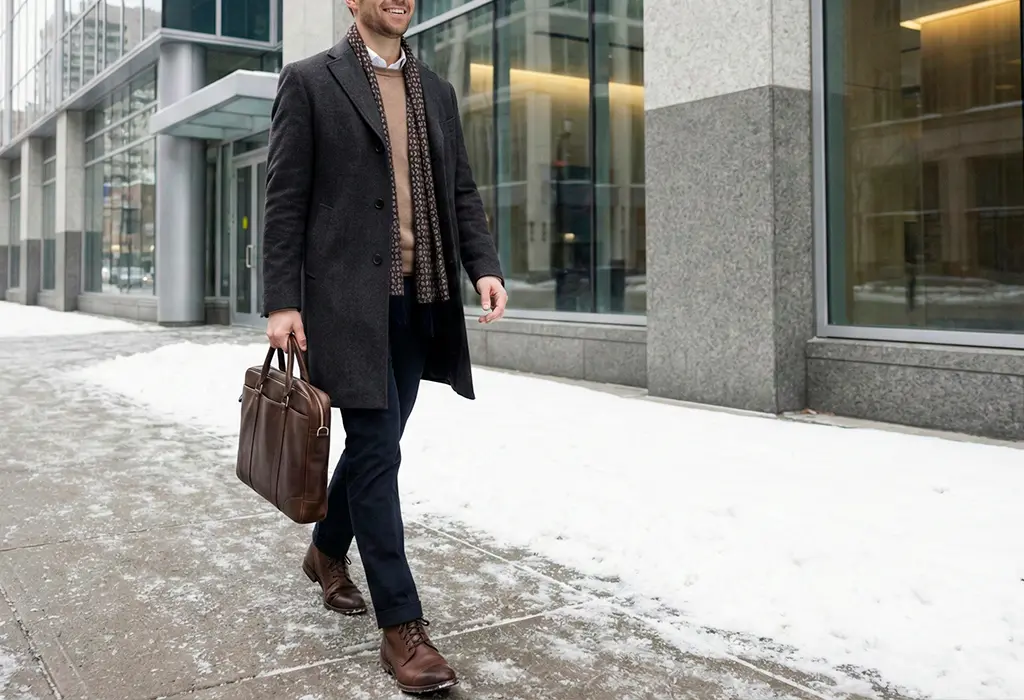
American dressing has a practical streak, and that is not a weakness. A woman in Denver might wear the same wool coat over office trousers on Monday and relaxed denim on Saturday. A man in Boston might pair one navy blazer with chinos, dark jeans, or a fine-gauge sweater depending on the day. That kind of range is where real value appears.
Classic wardrobe staples also help you avoid panic buying. When your closet has a reliable center, you stop grabbing random pieces before trips, events, or workweeks. The goal is not to own less for the sake of owning less. The goal is to own better.
Elegant Outfits Start With Fit Before Fabric
Elegant outfits often fail for one reason: the fit is almost right. Almost right is not enough. A sleeve that drags, jeans that bunch at the ankle, or a blazer that pulls across the chest can make expensive clothing look careless.
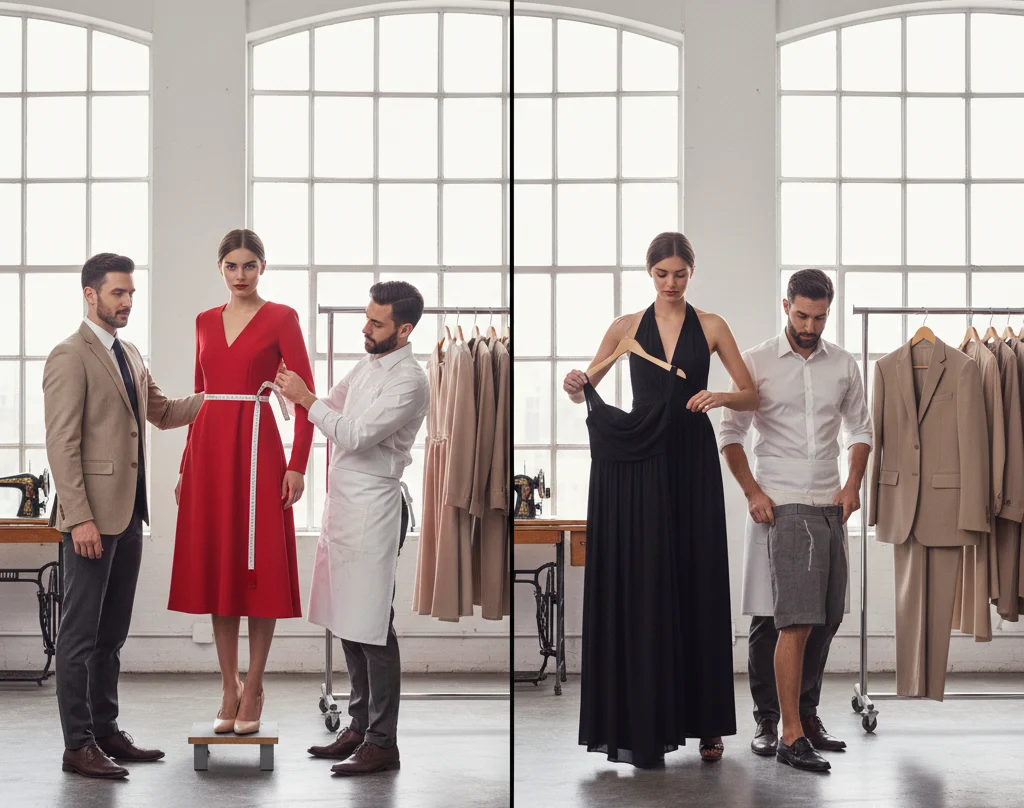
Fit does not mean tight. It means the garment respects your body instead of fighting it. Trousers should skim without clinging, shirts should sit cleanly at the shoulder, and coats should leave room for a layer underneath. Tailoring is not only for formalwear anymore; it is one of the fastest ways to make everyday style look intentional.
Many Americans skip alterations because they assume tailoring is costly or fussy. The truth is simpler. Hemming trousers, adjusting sleeves, or taking in a waist can turn an average piece into something you reach for twice a week. That is how elegant outfits become easy instead of occasional.
Building a Closet Around Color, Texture, and Balance
Once the core pieces are in place, style depends on how those pieces speak to each other. Color and texture decide whether an outfit feels flat or finished. The trick is not to own every shade; it is to know which shades make your wardrobe easier.
Everyday Style Looks Better With a Controlled Color Story
Everyday style becomes easier when your closet has a clear color direction. Navy, black, ivory, camel, gray, denim blue, and olive work well across most American wardrobes because they mix without much thought. These colors do not shout, but they rarely fail.
A controlled palette also makes shopping smarter. If you know cream sweaters, dark denim, and camel outerwear already work for you, you stop chasing colors that look good on hangers but sit untouched at home. This saves money, space, and morning energy.
The unexpected part is that fewer colors can make you look more distinct. When your wardrobe has a point of view, people notice the consistency. Everyday style does not need constant novelty; it needs a signature that feels like you.
Texture Gives Simple Clothing More Presence
Texture is what keeps neutral dressing from looking dull. A cotton shirt, suede loafer, ribbed knit, wool coat, leather belt, and crisp denim can all sit in the same color family while still creating depth. That difference matters when you prefer clean outfits.
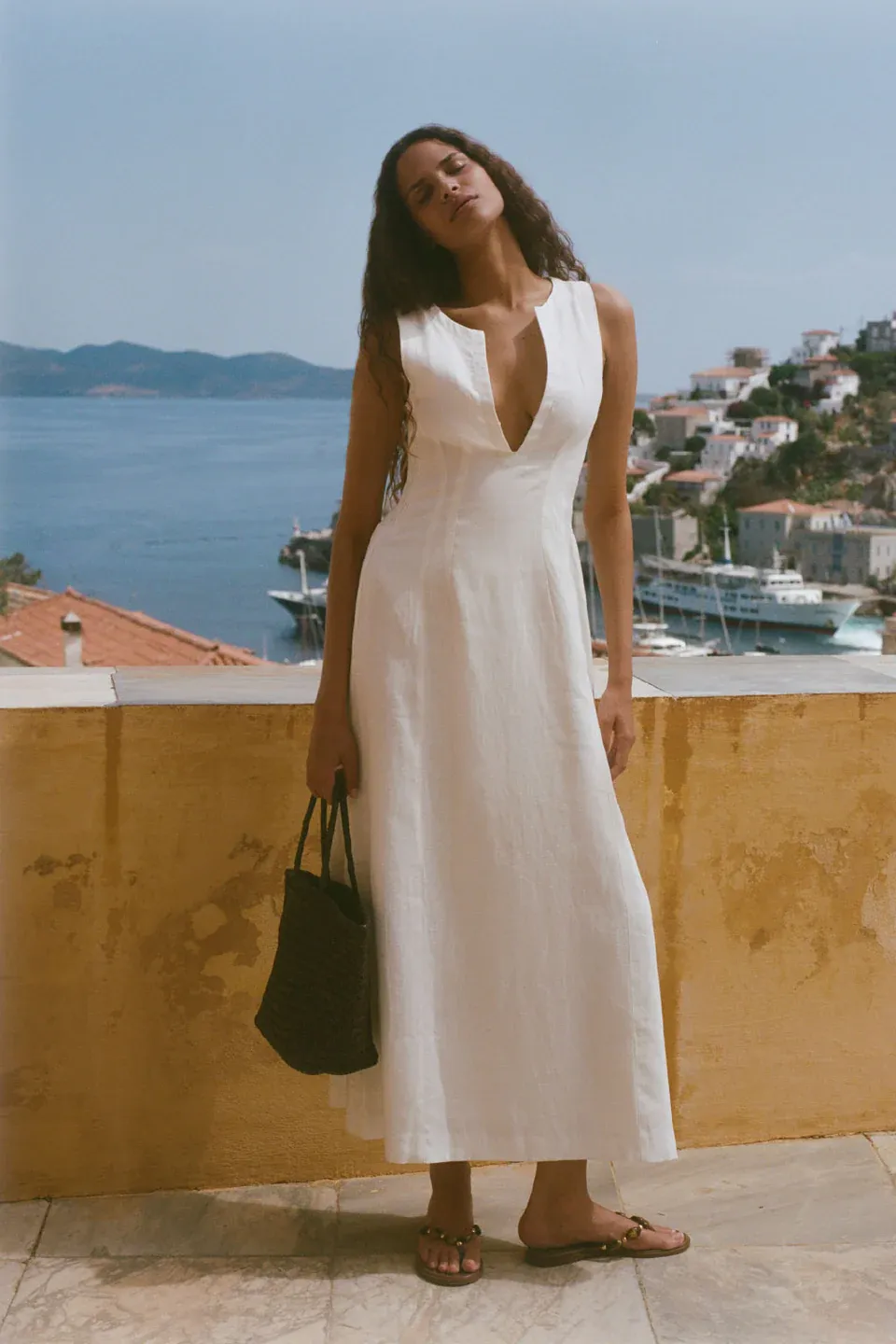
Texture also helps across American seasons. In Los Angeles, a linen shirt and leather sandal can carry a warm day without looking underdressed. In New York, a wool scarf and structured coat can make a simple black outfit feel rich. The pieces do not need to be loud because the materials are doing quiet work.
A good rule is to mix one soft texture with one structured texture. A cashmere sweater with tailored trousers feels balanced. A silk blouse under a denim jacket feels relaxed but polished. Small contrasts make simple dressing look considered.
How to Dress Elegantly Without Looking Overdone
Elegance loses its charm when it feels staged. The goal is not to look like you dressed for a photo shoot on a normal Tuesday. The goal is to look put together in a way that still belongs to your actual day.
Polished Casual Dressing Works Best With One Sharp Element
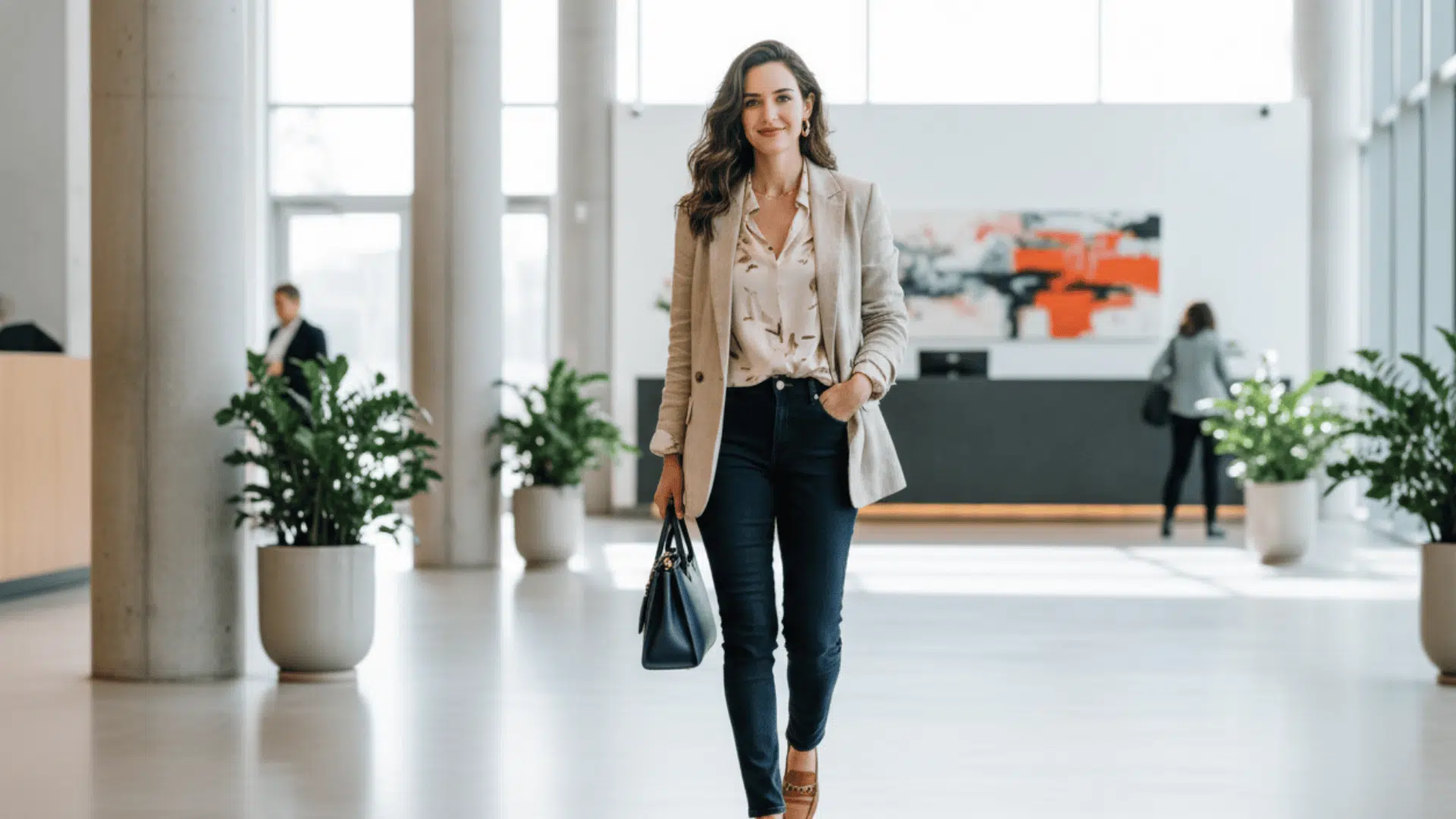
Polished casual dressing needs one anchor piece. That might be a blazer, a structured bag, a leather belt, pointed flats, pressed trousers, or a clean coat. One sharp element can lift the rest of the outfit without making it feel formal.
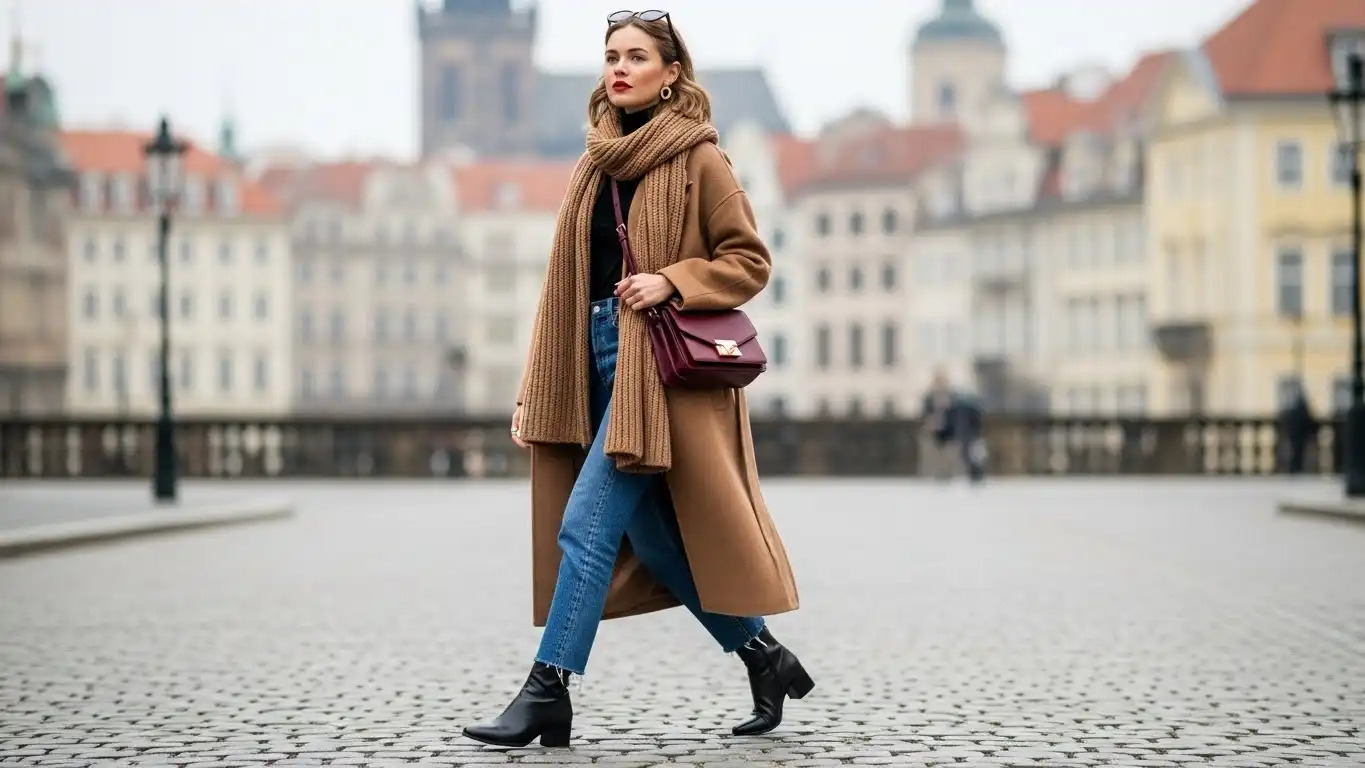
A simple example works across many U.S. cities: dark jeans, a white tee, a camel coat, and loafers. Nothing about that outfit is complicated. Still, it looks more mature than leggings and a sweatshirt because one or two pieces bring shape and finish.
This is where fashion essentials prove their worth in the main body of your closet. You do not need to dress up every piece. You need one item that sets the tone, then the rest can relax around it.
Accessories Should Finish the Outfit, Not Fight It
Accessories can ruin a good outfit when they compete for attention. A clean watch, small hoops, a leather tote, a silk scarf, or a refined belt often does more than a pile of statement pieces. Elegance has restraint built into it.
That does not mean accessories should be boring. A deep burgundy bag, tortoiseshell sunglasses, or a sculptural ring can give personality without overwhelming the outfit. The difference is intention. One strong accent feels chosen; five accents feel nervous.
Elegant outfits gain power when the eye knows where to land. Choose one focal point and let the rest support it. That single decision can make a basic outfit feel edited instead of unfinished.
Making Your Wardrobe Last Beyond One Season
A timeless closet is not frozen in time. It changes slowly, with care. The strongest wardrobes in the USA adapt to weather, work, family, travel, and age without chasing every microtrend that shows up online.
Buy for Repeat Wear, Not the Perfect Occasion
Repeat wear is the real test of a garment. A dress that only works for one dinner may be beautiful, but a knit dress that works with boots, sneakers, a coat, and a belt earns far more space. Cost per wear beats sale price every time.
This mindset changes how you shop. Instead of asking, “Do I like this?” ask, “Can I wear this at least three ways in my actual life?” If the answer is no, the piece may belong in someone else’s closet.
American shoppers face endless seasonal promotions, and the pressure to buy can feel constant. The best defense is a clear wardrobe standard. When a piece cannot support your everyday style, leave it behind.
Care Habits Turn Good Clothes Into Long-Term Style
Clothing care is part of elegance, though people rarely talk about it. A brushed coat, polished shoes, steamed shirt, and properly stored knit can make affordable pieces look refined. Neglect can make luxury look tired.
Start with small habits. Hang jackets on wide hangers, fold sweaters instead of stretching them, treat stains early, and rotate shoes so they can rest between wears. These actions take minutes, but they protect the shape and finish of your wardrobe.
Timeless dressing is not about refusing change. It is about building a closet that can grow with you. When your fashion essentials are chosen well and cared for properly, getting dressed stops feeling like a daily problem and starts feeling like a quiet advantage.
Conclusion
Elegant dressing is not reserved for special events, expensive neighborhoods, or people with endless closet space. It belongs to anyone willing to choose with more care and less impulse. A thoughtful wardrobe lets you move through ordinary American days with steadiness, whether you are walking into a meeting, hosting friends, or heading out for coffee on a cold morning.
The next step is simple: audit your closet this week and pull out the pieces you wear often, feel good in, and can style in more than one way. Those are your true fashion essentials. Build around them before buying anything new.
Style becomes easier when your closet stops arguing with your life. Choose pieces that support the person you are becoming, and getting dressed will start to feel like confidence before the day even begins.
Frequently Asked Questions
What are the best timeless fashion essentials for women?
A strong women’s wardrobe starts with tailored trousers, dark denim, a white shirt, a neutral blazer, a knit sweater, loafers, clean sneakers, and a polished coat. These pieces work across workdays, weekends, dinners, and travel without feeling tied to one trend.
How can men build elegant daily dressing habits?
Men can start with fit, clean shoes, pressed shirts, dark jeans, chinos, knit polos, and structured jackets. The habit matters more than the price. Clothes should look cared for, sit well on the body, and match the setting without looking forced.
What colors make everyday style look more expensive?
Navy, black, ivory, camel, charcoal, olive, chocolate brown, and denim blue often look polished because they mix easily. These shades also age well across seasons. A focused color palette makes outfits look more intentional even when the pieces are simple.
How many classic wardrobe staples does a person need?
Most people can build a strong base with 15 to 25 reliable pieces. The number matters less than the range. Each item should work with several others, suit your real schedule, and feel good enough to wear often.
How do elegant outfits stay comfortable for daily wear?
Comfort comes from breathable fabrics, proper fit, and smart layering. Choose waistbands that move, shoes with support, coats with room for knits, and shirts that do not pull. Elegant clothing should support your day, not distract from it.
What is the easiest way to upgrade a simple outfit?
Add one structured piece. A blazer, tailored coat, leather belt, polished shoe, or clean handbag can lift jeans and a plain top fast. The outfit still feels relaxed, but the sharper item gives it shape and purpose.
How can I avoid wasting money on fashion trends?
Wait before buying trend pieces and ask whether the item works with at least three things you already own. Trends become expensive when they need a whole new outfit around them. Strong wardrobes absorb new pieces without losing their identity.
Why does fit matter more than brand name in daily dressing?
Fit decides how clothing reads on the body. A well-fitted affordable shirt can look sharper than a costly one with poor proportions. Shoulders, hems, sleeves, and waistlines shape the full impression before anyone notices the label.