Where to Buy Authentic Tupelo Honey in Florida: A Local’s Guide

Tupelo honey is one of the rarest honeys in the world, and most of it comes from a single stretch of Florida wetlands. The white tupelo gum trees that produce it only bloom for two or three weeks each year, which makes the window for authentic harvests narrow and the market for imitations unusually large. If you live in Florida or are visiting the Panhandle, you have better access to real tupelo than almost anyone else in the country.

Authentic tupelo honey in Florida is best bought directly from family-owned apiaries in the Apalachicola River basin, at certified farmers’ markets across the Panhandle, and from speciality grocers that stock “Fresh From Florida” or Tupelo True certified jars.

Why Is Tupelo Honey So Hard to Find?

Tupelo honey is rare because the harvest window is brutally short and the geography is unforgiving. Authentic tupelo honey Florida is almost exclusively produced in the wetlands of the Apalachicola River basin, where beekeepers often have to reach their hives by boat and set up deep in swamp terrain. 

A single storm or a cold snap during the 2 to 3 week bloom can wipe out a full season, which is why genuine tupelo commands a premium and why blends flood the market when real supply runs thin.

Where to Buy Authentic Tupelo Honey in Florida?

The best place to buy tupelo honey depends on how close you are to the Panhandle, how much you want to spend, and whether you value the experience of meeting the people who keep the bees. Five options cover almost every buyer.

Direct From Family-Owned Apiaries

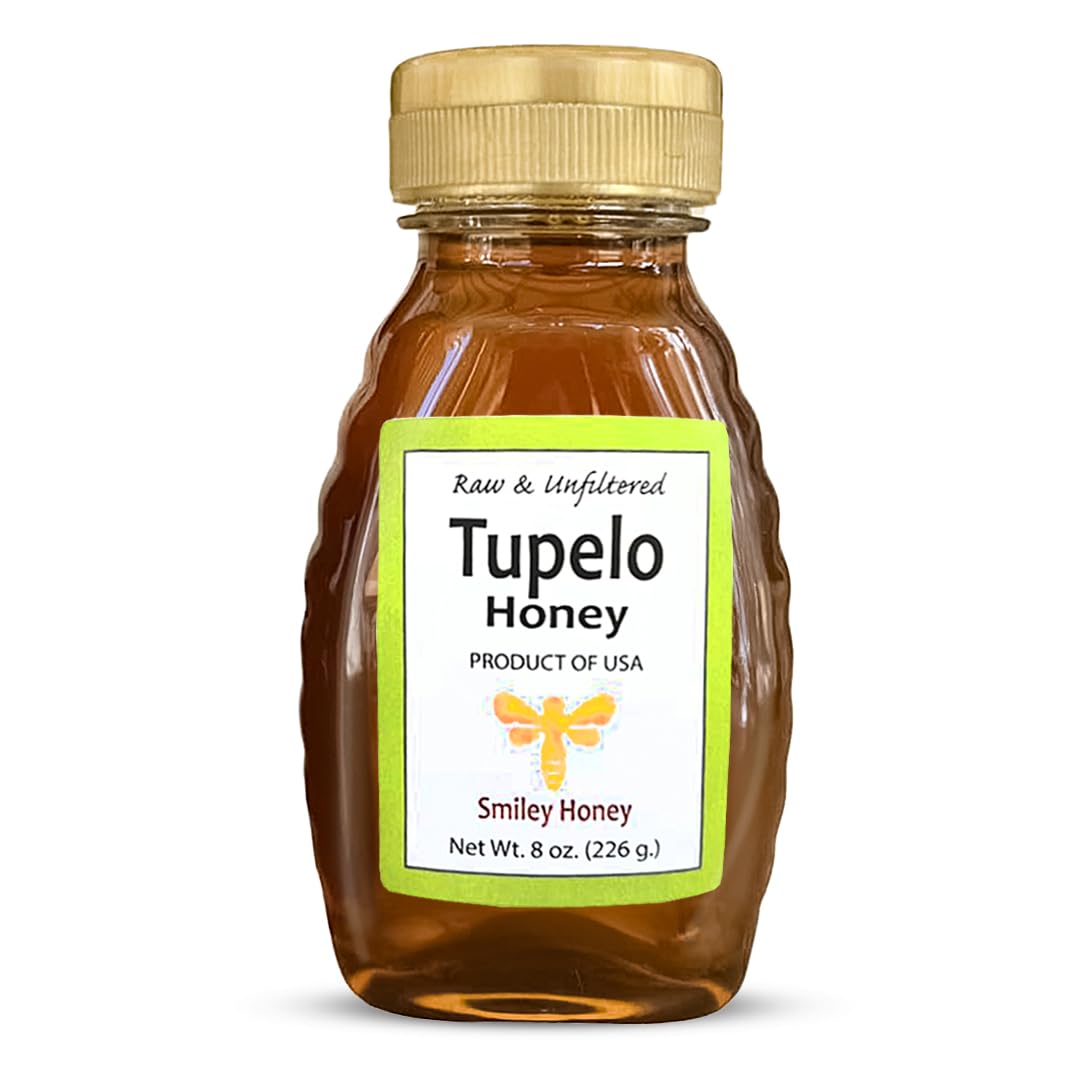
Buying straight from a Panhandle apiary is the most reliable way to get the real thing. Most operations are concentrated around Wewahitchka, Florida, a small town long considered the tupelo capital of the world. Smiley Honey, a family-run apiary based there since 1989, is one of the names locals point newcomers to when the question of authentic tupelo comes up.

Visiting an apiary in person lets you:

  • See the jars filled and labelled on site
  • Ask about the harvest year and hive location
  • Taste the honey before you buy

Many apiaries also ship direct, which helps if you cannot make the trip.

Panhandle Farmers Markets

Farmers’ markets across the Panhandle feature local beekeepers during and after the spring harvest. The best time to shop these markets is between April and July, when the season’s tupelo is fresh, and the vendor can usually tell you exactly where the hives were placed.

Strong markets to check include:

  • Apalachicola
  • Panama City
  • Tallahassee
  • Pensacola

Ask for the “Fresh From Florida” sticker or Tupelo True certification before handing over cash.

Florida Specialty Grocers

A handful of specialty grocers and gourmet food stores across the state carry certified tupelo from trusted Panhandle suppliers. These shops are useful when you cannot travel north but still want to avoid generic grocery-aisle blends. Look for stores that list the producer’s name on the jar and stock raw, unfiltered varieties.

The Tupelo Festival in Wewahitchka

The annual Tupelo Festival in Wewahitchka, held each May, is the closest thing Florida has to a dedicated celebration of the honey. Local beekeepers set up tasting stations where you can compare vintages, meet the families behind the hives, and buy jars straight from the source. If you are planning a visit specifically for tupelo, timing a trip around this festival is the single best move.

Online From Florida-Based Sellers

If you are not in Florida, or cannot make it to the Panhandle, ordering online from a Florida-based apiary is the next best option.

A trustworthy online seller will:

  • List the harvest location clearly
  • Disclose the year the honey was harvested
  • Carry Tupelo True or Fresh From Florida certifications

Avoid general marketplaces where “tupelo” can mean almost anything and where labels are often printed faster than the honey is harvested.

How to Tell if Tupelo Honey Is Real?

Spotting authentic tupelo honey Florida takes less than a minute once you know what to look for. A few quick checks will catch most blends and imitations before you pay.

  • Color: Light amber with a greenish tint when held to the light
  • Texture: Smooth, pourable, and still liquid even months after opening
  • Flavor: Buttery and floral with a hint of vanilla, not sharp or overly sweet
  • Certification: Look for Tupelo True, Fresh From Florida, or similar verified seals
  • Label: The best jars list the apiary, the region, and the harvest year

If a jar crystallizes within a few months, the honey is either not pure tupelo or has been blended with lower-cost varieties.

Questions to Ask Before You Buy

A good beekeeper will happily answer these. A seller who cannot, or who brushes the questions off, is a sign to walk away.

  • Where were the hives located during the tupelo bloom?
  • What year was the honey harvested?
  • Is the honey raw and unfiltered, or has it been heated?
  • Does the batch carry Tupelo True or Fresh From Florida certification?
  • Is this pure tupelo, or is it blended with other honey varieties?

Final Thoughts

Authentic tupelo honey is worth the effort it takes to find. The flavor is unlike any other honey on the market, and the work that goes into harvesting it from remote wetlands is part of what makes each jar special. Whether you buy it at a farmers market, directly from a Panhandle apiary, or online from a trusted Florida seller, the rules stay the same. Check the certifications, ask the questions, and favor sellers who can tell you exactly where the honey came from.

If you have been reading this far, you clearly care about what goes into your honey jar, and that alone puts you ahead of most buyers. For genuine tupelo honey Florida has to offer, order a jar straight from Smiley Honey. Every batch is Tupelo True certified, carries the Fresh From Florida label, and was named Best Tupelo Honey by NBC Select in 2025. 

Head to the website and pick your jar. Your next slice of toast will thank you!