

Table of Contents
ToggleA snack can either rescue your afternoon or wreck it quietly. Most Americans do not lose energy because they lack discipline; they lose it because the food within arm’s reach is built for speed, salt, sugar, and repeat cravings. Healthy Snacking Ideas matter because the gap between breakfast and dinner has become a real part of daily eating, not a side note. Work calls run long, school pickups collide with errands, and late-night screen time keeps kitchens open longer than planned. For readers who want practical lifestyle guidance with a sharper public voice, wellness-focused digital visibility also shows how everyday habits can become part of a broader conversation about better choices. The real goal is not perfect eating. It is choosing snacks that give you steady energy, protect your appetite, and make your next meal easier instead of chaotic. When your snack has purpose, your day feels less like a fight with hunger and more like something you can actually manage.
Smarter Energy Choices Start With How Snacks Behave in the Body
Snacks are not harmless little pauses in the day. They either steady your blood sugar, mood, and focus, or they push you into the kind of hunger that makes every vending machine look like a personal invitation. In the United States, where long commutes, desk lunches, and packed family schedules shape eating patterns, smarter energy choices need to work in real life, not only in a clean meal-prep photo.
Why balanced snack habits beat random grazing
Balanced snack habits work because they give your body a clear signal: energy is coming, but not in a wild spike. A handful of crackers alone may taste fine, yet it often burns off fast and leaves you hunting for something else. Add protein or fiber, and the same snack becomes more useful.
A better example is apple slices with peanut butter, Greek yogurt with berries, or whole-grain toast with cottage cheese. These combinations slow digestion enough to help you stay focused through a meeting, a school run, or a late shift. The snack stops acting like entertainment and starts acting like support.
Random grazing feels innocent because each bite looks small. The problem is that small bites with no structure can keep you mildly hungry all day. That low-grade hunger is sneaky. It makes dinner portions bigger, makes sweet drinks more tempting, and makes your body feel tired even when you have eaten plenty.
How nutritious snacks protect focus during busy American routines
Nutritious snacks earn their place when they solve a specific problem. A nurse working a twelve-hour shift needs something different from a college student walking between classes or a parent sitting in traffic after work. The best snack is the one that fits the pressure point of your day.
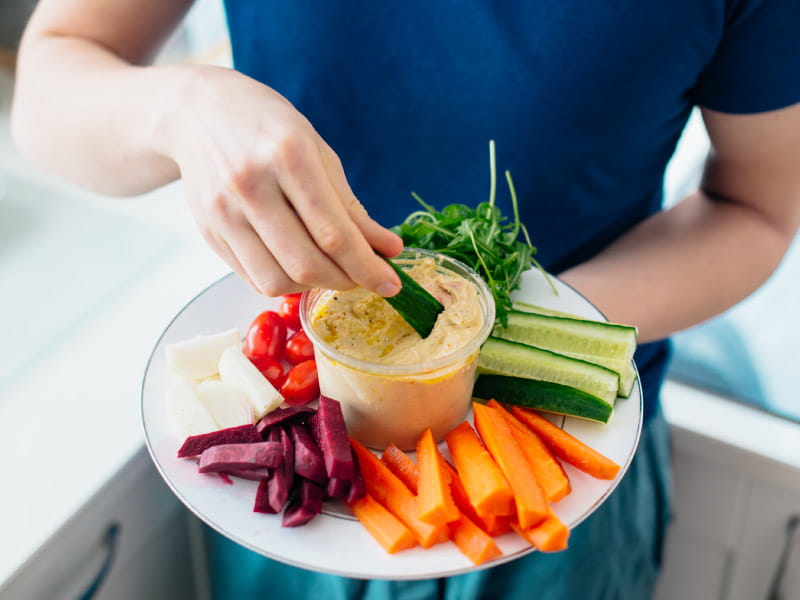
Protein helps when the next meal sits hours away. Fiber helps when cravings keep circling back. Healthy fats help when you need staying power without a heavy meal. A boiled egg with fruit, hummus with carrots, or trail mix with unsweetened nuts can feel ordinary, but ordinary is often what works.
The unexpected truth is that exciting snacks often fail. They are designed to make you want more, not to make you feel settled. Nutritious snacks do the quieter job: they help you forget about food for a while so you can get on with your life.
Building Healthy Snack Options Around Real Hunger
Once you understand what snacks do in the body, the next step is reading your own hunger honestly. Many people eat because they are bored, rushed, stressed, or tired, then blame the snack when the real issue was timing. Healthy snack options work best when they answer the hunger you actually have.
What to eat when you need steady afternoon energy
Afternoon hunger has a personality. It shows up when lunch was too light, coffee has worn off, and your brain starts looking for the fastest reward nearby. This is where Healthy Snacking Ideas can make the difference between a clean recovery and a crash that follows you home.
A strong afternoon snack usually needs two parts. Pair a protein source with a high-fiber carbohydrate, such as turkey slices with whole-grain crackers, a cheese stick with an orange, or edamame with a small piece of fruit. The pairing matters more than the snack looking fancy.
Sweet snacks can still fit, but they need structure. Dark chocolate with almonds feels different from a candy bar eaten alone. Yogurt with cinnamon and berries feels different from a pastry at the office counter. The aim is not to ban pleasure; the aim is to make pleasure stop stealing your energy.
How to avoid snack choices that create false hunger
False hunger often comes from foods that light up cravings without giving much back. Chips, cookies, sugary granola bars, and sweetened drinks can taste satisfying for a few minutes, then leave your body asking for another round. That does not mean you failed. It means the snack was built to keep the loop open.
A useful snack closes the loop. It gives texture, flavor, and enough substance to carry you forward. Roasted chickpeas, avocado on whole-grain toast, tuna on cucumber rounds, or a small smoothie with milk, fruit, and nut butter can do that job without turning snack time into a full meal.
Balanced snack habits also depend on portion cues. Eating from the bag invites guessing, and guessing usually favors the snack company. Put the food on a plate, in a small bowl, or in a container before you start. A boundary makes the choice feel finished.
Making Better Snacks Easy at Home, Work, and School
Better snacking fails when it requires too much effort at the exact moment you are already tired. The American kitchen, office drawer, lunchbox, and car console all shape what happens next. Smarter energy choices become easier when your environment stops working against you.
How to stock nutritious snacks without overthinking the grocery trip
A good snack setup starts at the store, not when hunger hits. Choose a few items from each category: protein, fiber-rich carbs, produce, and healthy fats. That gives you mix-and-match freedom without needing a new plan every day.
Useful grocery staples include Greek yogurt, string cheese, eggs, hummus, tuna packets, oats, whole-grain crackers, berries, apples, carrots, nuts, and nut butter. These foods may not look dramatic in the cart, but they build a fridge and pantry that can handle real life.
Nutritious snacks also need visibility. Put washed fruit at eye level. Keep cut vegetables in clear containers. Move candy or chips out of the easiest reach if they tend to become automatic. This is not about pretending treats do not exist. It is about making the better choice less annoying.
What works for office drawers, lunchboxes, and long commutes
Portable snacks need to survive the day without turning into crumbs, mush, or regret. For an office drawer, try unsalted nuts, plain popcorn, roasted edamame, whole-grain crispbread, or low-sugar protein bars. These options can sit quietly until you need them.
Lunchboxes call for more variety because boredom hits harder when food travels. Pair grapes with cheese cubes, pack hummus with pita wedges, or add a small container of yogurt with granola kept separate. Kids and adults both eat better when the snack has color, crunch, and enough flavor to feel chosen rather than assigned.
Commutes need a different kind of honesty. If you know hunger hits before you get home, keep a planned snack in your bag instead of gambling on the drive-through. A banana with nuts or a shelf-stable milk box with whole-grain crackers can stop the kind of hunger that makes dinner decisions reckless.
Turning Snack Habits Into a Sustainable Daily Rhythm
A snack plan should not feel like another rulebook. It should remove friction from the parts of the day where you already know hunger, fatigue, and cravings tend to collide. Healthy snack options become sustainable when they fit your rhythm instead of demanding a new identity.
When snack timing matters more than snack perfection
Timing can matter more than the snack itself. Eating too late in the afternoon may spoil dinner, while waiting too long can make you overeat before you even sit down. A planned snack two to three hours after a meal often works better than holding out until hunger gets loud.
People often mistake restraint for control. Skipping a needed snack can look disciplined in the moment, then backfire at night when cravings feel stronger and judgment feels weaker. A well-timed snack is not a failure of willpower. It is maintenance.
Balanced snack habits become easier when you notice patterns. Maybe you need something after school pickup, before the gym, or during the late work window between 3 and 5 p.m. Name the pattern, then place the snack there on purpose. Guesswork is where most plans fall apart.
How to keep smarter energy choices enjoyable enough to last
Enjoyment is not optional. A snack routine built only on foods you tolerate will collapse the first time stress walks in. Better snacks need flavor, texture, and small pleasures that make them worth repeating.
Try cinnamon on yogurt, chili-lime seasoning on fruit, everything bagel seasoning on cottage cheese, or a few chocolate chips mixed into nuts. These details matter because they make the snack feel cared for. Food that feels cared for is easier to choose again.
The deeper shift is learning that snack success is not about eating the cleanest possible food. It is about making the next hour better. When your snack helps you think, move, cook dinner, or avoid a late-night raid on the pantry, it has done its job.
Conclusion
Better snacking is less about restriction and more about building a day that does not keep pushing you toward poor choices. The strongest approach is practical: keep useful foods close, pair protein with fiber, respect timing, and stop expecting hunger to behave politely when your schedule does not. Healthy Snacking Ideas work when they feel normal enough to repeat on a Tuesday, not impressive enough to post once and abandon. A snack should give you steadier energy, a calmer appetite, and a better shot at making your next meal with intention. Start with one weak spot in your day, whether it is the office slump, school pickup, or late-night scrolling, and place one better snack there before the hunger arrives. Small food decisions are not small when they repeat daily; choose the next one like it has the power to change the tone of your whole afternoon.
Frequently Asked Questions
What are the best healthy snack options for busy workdays?
Choose snacks that combine protein and fiber, such as Greek yogurt with berries, hummus with vegetables, boiled eggs with fruit, or nuts with whole-grain crackers. These choices travel well, reduce afternoon crashes, and help you stay focused without turning snack time into a full meal.
How do nutritious snacks help with better energy?
Nutritious snacks slow digestion and give your body a steadier fuel supply. Protein, fiber, and healthy fats help prevent quick sugar spikes, which often lead to tiredness later. A balanced snack keeps your appetite calmer until your next meal.
What are easy balanced snack habits for families?
Keep washed fruit, cut vegetables, yogurt, cheese, whole-grain crackers, and nut butters ready before hunger hits. Families do better when snacks are visible, simple, and easy to assemble. The goal is to make the better choice faster than the packaged fallback.
Which snacks are good before a workout?
A banana with peanut butter, yogurt with fruit, or whole-grain toast with cottage cheese can work well before exercise. Choose something easy to digest with some carbohydrate for energy and a little protein for support. Heavy, greasy snacks can slow you down.
What snacks should I keep at my desk?
Desk snacks should be shelf-stable and satisfying. Nuts, roasted chickpeas, plain popcorn, tuna packets, whole-grain crispbread, and lower-sugar protein bars are strong options. Keep portions separated so the snack has a clear stopping point.
How can I stop craving sugary snacks in the afternoon?
Start by eating a stronger lunch and planning a balanced snack before cravings peak. Pair fruit with protein or healthy fat, such as apples with peanut butter or berries with yogurt. Sweet cravings often get louder when meals lack staying power.
Are healthy snack options expensive in the USA?
They can be affordable when you buy simple staples instead of specialty snack packs. Eggs, oats, bananas, carrots, peanut butter, popcorn kernels, beans, and yogurt often cost less per serving than many packaged snacks. Planning ahead protects both energy and budget.
What is the healthiest late-night snack?
Choose something light, calming, and not too sugary, such as yogurt, a small bowl of oatmeal, cottage cheese with fruit, or whole-grain toast with nut butter. Late-night snacks work best when they settle hunger without turning into a second dinner.