
Table of Contents
ToggleA messy toy room usually isn’t caused by children owning one misplaced toy. The problem is volume, unclear storage, and cleanup systems that require too many steps. Simple categories, reachable containers, and fewer toys available at once can make the room easier for both children and adults to manage.
Reduce the Number of Active Toys
Start by removing broken toys, incomplete sets that are no longer useful, and items children have clearly outgrown. Then consider rotating some toys instead of keeping the entire collection available every day.
Rotation can make stored toys feel fresh again while reducing what must be cleaned up after play. Keep the process simple enough that rotating items doesn’t become another demanding household task.
Sort by Categories Children Understand
Categories such as blocks, cars, dolls, puzzles, art supplies, and dress-up clothes are usually easier than complicated subcategories. Labels can include simple pictures for children who aren’t comfortable reading yet.
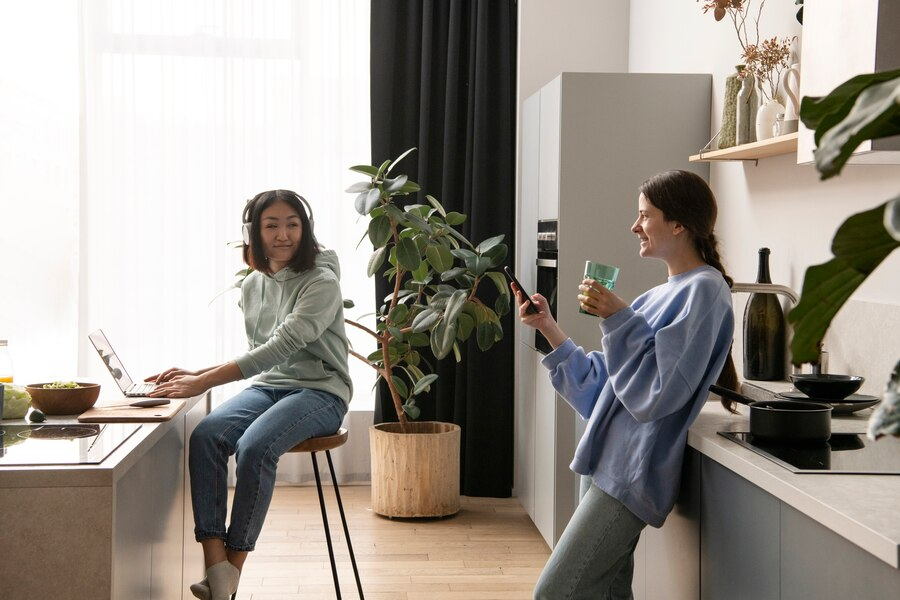
Ideas around comfortable family spaces can help frame the room around everyday use rather than making storage purely decorative.
Choose Containers That Encourage Cleanup
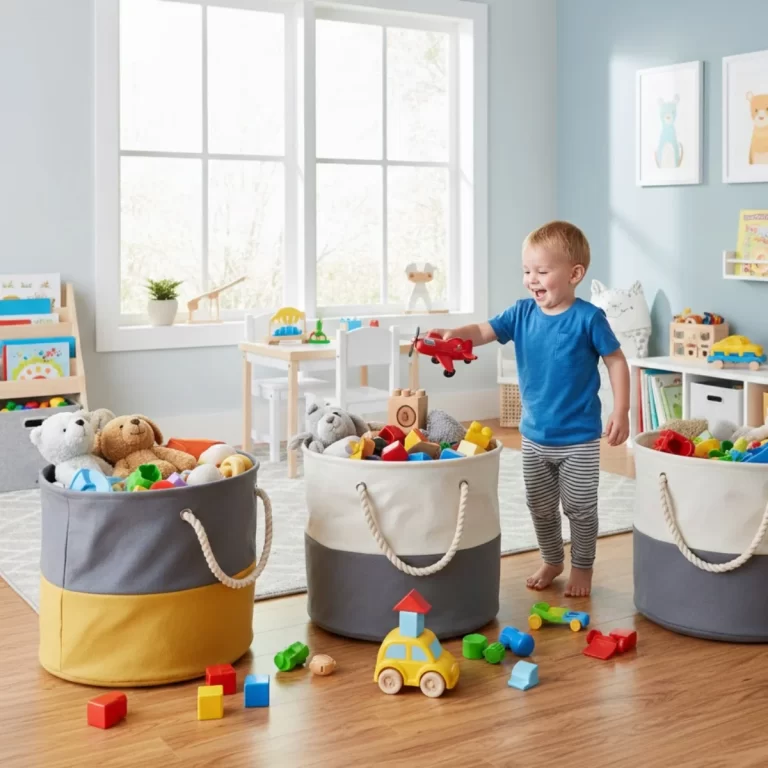
Open bins often work better than containers with complicated lids. If putting away a toy takes several steps, children are less likely to complete the process independently.
Use transparent containers when seeing the contents helps, and opaque bins when visual simplicity matters more. Avoid enormous toy boxes for small pieces because items disappear at the bottom.
| Toy Type | Simple Storage | Cleanup Benefit |
|---|---|---|
| Building blocks | Open bin | Fast collection |
| Art supplies | Divided caddy | Easy sorting |
| Puzzles | Low shelf | Pieces stay together |
| Dress-up items | Hooks or basket | Quick access |
Use the Room’s Height Carefully
Low shelves should hold toys children can use independently. Higher shelves can store rotating toys, delicate items, or supplies requiring adult supervision.
Vertical storage is valuable in smaller rooms. Thoughtful family-room storage ideas can help you see walls as usable space while keeping frequently handled items at child-friendly heights.
Why Overcomplicated Systems Usually Fail
A color-coded container for every tiny toy category might look impressive on the first day, but complicated systems require constant sorting. Children may stop participating when they can’t easily decide where something belongs.
Too many containers can create another form of clutter. Looking at practical household layouts may provide inspiration, but the best toy-room setup is usually the one requiring the fewest cleanup decisions.
Make Cleanup Part of Playtime
Choose a predictable cleanup point instead of waiting until the room becomes unmanageable. Five or ten minutes before another activity can be enough when every category has an obvious home.
Give specific directions such as “put the blocks in this bin” rather than “clean the whole room.” Smaller tasks are easier to understand and complete.
Frequently Asked Questions
How many toy bins should a playroom have?
Use enough bins to separate major categories without creating dozens of sorting decisions. The right number depends on the collection, room size, and how independently children can use the system.
Is toy rotation worth doing?
It can be helpful when too many toys are available at once. Store a portion of the collection and periodically exchange items, keeping favorites consistently accessible.
What is the easiest toy storage for young children?
Low open bins, baskets, shelves, and picture labels are often easiest. Storage should be reachable, stable, and simple enough that children can return toys with minimal adult help.
Make Cleanup Easier Than Leaving Toys Out
Toy organization improves when the system matches children’s abilities. Reduce excess, use broad categories, choose accessible containers, and keep cleanup instructions simple. A room that can be reset without complicated sorting is far more likely to stay functional than one designed around perfect-looking storage.