

Modern life rarely follows a fixed pattern for long. Work responsibilities shift, family priorities evolve, technology changes how routine tasks are completed, and unexpected circumstances can quickly alter carefully made plans. Instead of trying to create a lifestyle where everything remains predictable, it can be more useful to develop habits that make adjustment easier.
Adaptability does not require changing everything whenever a new trend appears. It is about recognizing when an existing approach is no longer effective and being willing to make practical adjustments. Small changes in planning, learning, organization, and decision making can make everyday transitions considerably easier.
Build Flexible Routines
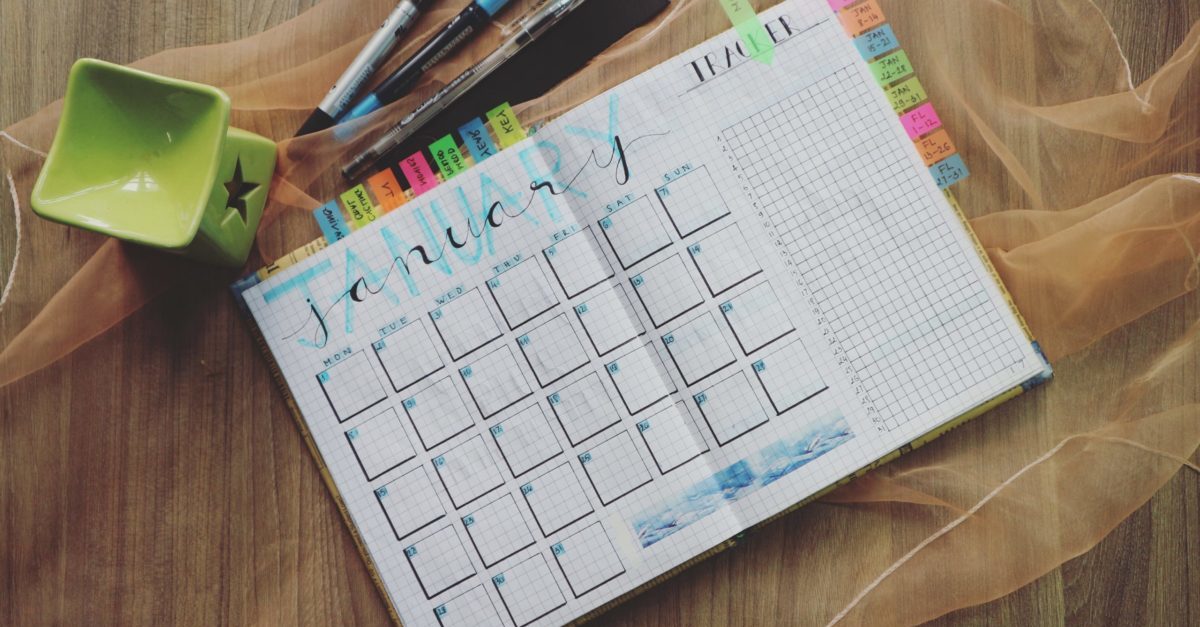
Routines provide useful structure, but they become restrictive when they leave no room for change. A practical routine should provide direction without making every hour dependent on a fixed schedule.
For example, someone might establish priorities for the morning rather than assigning every activity an exact time. If an unexpected appointment or work responsibility appears, tasks can then be rearranged without disrupting the entire day.
Flexibility is particularly useful when managing work, household responsibilities, family commitments, and personal interests simultaneously. Reading lifestyle resources such as a Sydney online magazine can also introduce people to different approaches to organization, recreation, technology, home life, and other everyday topics.
Keep Learning in Small Ways
Learning does not always require enrolling in a formal course. Everyday adaptability often comes from developing small pieces of practical knowledge over time.
Learning how to use a new digital tool, improving basic financial knowledge, understanding a new workplace process, or becoming more confident with household maintenance can all make future changes easier to manage. The objective is not to become an expert in everything. Instead, it is useful to remain comfortable with learning whenever circumstances demand it.
Online resources have made this process easier. Websites such as www.theloverspoint.com and other general information platforms can expose readers to different subjects, perspectives, and ideas. The important part is to remain curious while evaluating online information carefully before applying it to important decisions.
Focus on Priorities Rather Than Perfect Plans
Detailed planning can be helpful, but circumstances sometimes change before a plan is completed. When this happens, knowing the purpose behind the plan becomes more important than following every original step.
Suppose someone plans to renovate a room but later discovers that the available budget has decreased. The original renovation might no longer be realistic, but the main objective of creating a more functional room can remain. Rearranging furniture, improving storage, repainting, or completing the project gradually could still achieve much of the desired result.
This approach allows people to protect important goals while remaining flexible about how those goals are achieved.
Use Information to Understand Changing Needs
Adaptability becomes easier when people remain aware of developments that may influence their lives. This does not mean following every piece of news throughout the day. Instead, it involves selecting useful information sources and checking them when relevant.
A Melbourne online magazine, for instance, may cover lifestyle ideas, local developments, culture, business, home topics, or emerging consumer interests. Information of this kind can help readers discover how other people are responding to changing lifestyles.
The same principle applies to professional life. Following developments within an industry can provide early awareness of new tools, changing customer expectations, and emerging skills. This creates more time to learn and adjust instead of reacting only when change becomes unavoidable.
Make Your Home and Resources More Versatile
Physical surroundings can also support adaptability. Multipurpose furniture, organized storage, movable work areas, and flexible rooms can make a home easier to adjust as household needs change.
The same thinking can apply to possessions. Before buying something highly specialized, consider whether an item can serve several purposes or continue being useful if circumstances change. This can reduce unnecessary purchases while making everyday resources more practical.
Review What Is and Is Not Working
Adaptability depends partly on noticing when something needs to change. Periodically reviewing routines, expenses, responsibilities, and goals can reveal areas that are creating unnecessary difficulty.
Reading diverse Australian articles about lifestyle, business, technology, health, home improvement, and personal development can provide fresh ideas, but those ideas should always be considered in relation to individual circumstances. A solution that works well for one household may not suit another.
Regular reflection makes it easier to adjust gradually rather than waiting until problems become difficult to manage.
Stay Open Without Constantly Changing Direction
Being adaptable does not mean abandoning routines, commitments, or long term goals whenever circumstances shift. Constant change can create as many problems as excessive rigidity.
A more practical approach is to maintain clear priorities while remaining flexible about the methods used to support them. Some routines may continue working for years, while others may require frequent adjustment.
Everyday needs will continue to evolve as careers, households, technology, communities, and personal priorities change. People who build flexibility into their routines can respond without having to redesign their lives every time something unexpected happens.
Adaptability ultimately grows through ordinary decisions. Staying curious, reviewing priorities, learning useful skills, organizing resources thoughtfully, and accepting occasional changes in direction can make everyday life easier to manage, even when the future does not follow the original plan.