
Table of Contents
ToggleA car accident can leave you staring at your vehicle and thinking, “It still drives, so it must be fine.” Unfortunately, cars are not quite that simple. Some damage is obvious while other problems can hide underneath the surface.
Even a small crash can affect parts that you cannot see from the outside. Before getting back on the road, it is worth taking some time to check what happened and understand what your vehicle may need.
Check The Damage First
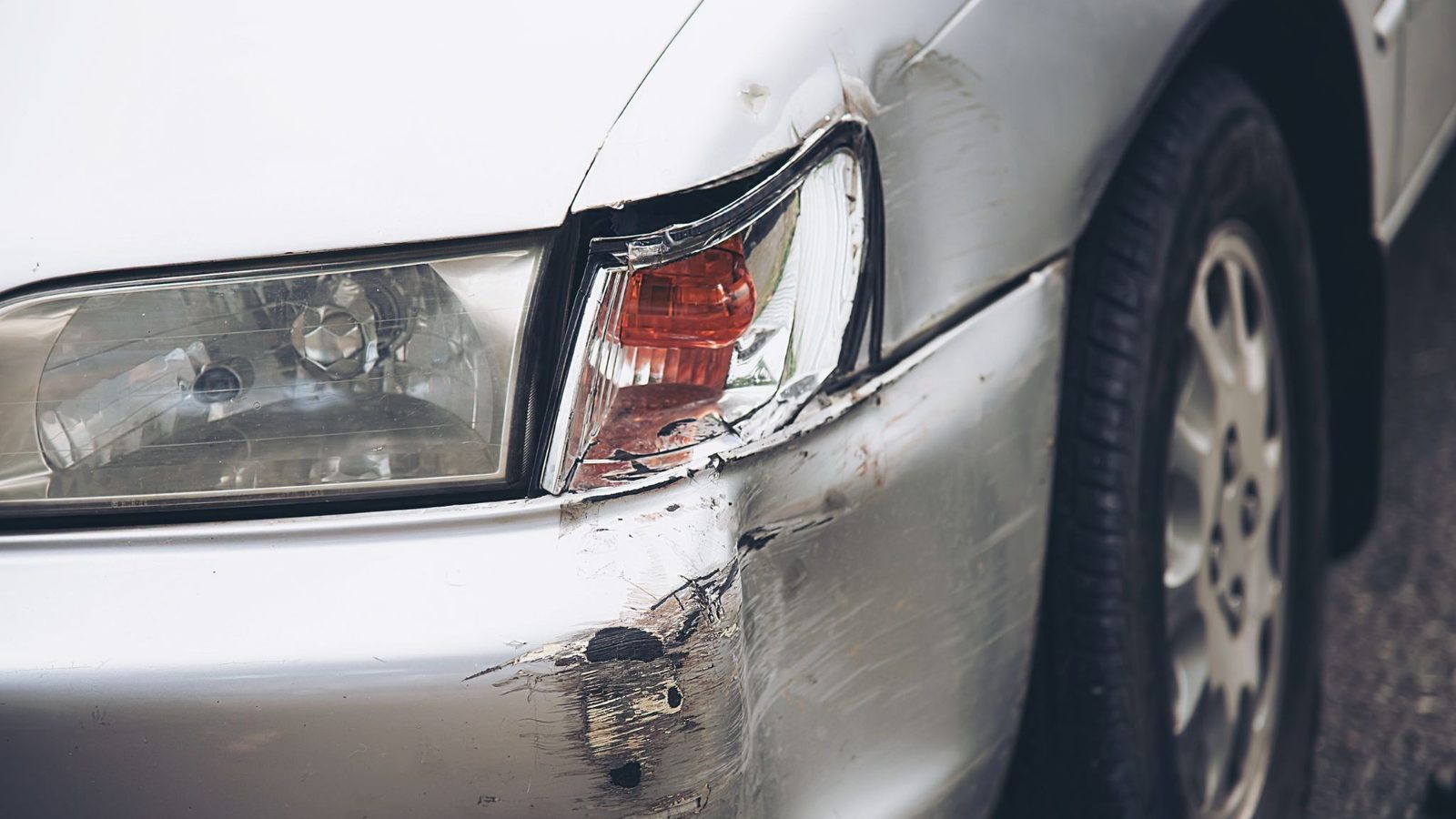
Start by looking carefully at the vehicle. Dents, scratches, broken lights, and damaged bumpers are easy to notice, but they are not the whole story. A crash can also affect the wheels, alignment, doors, or parts underneath the car.
Pay attention when the vehicle moves too. Does it pull to one side? Are there strange noises or vibrations? Does a door suddenly refuse to close properly? These signs should not be ignored just because the engine starts.
Know When To Get Help from Auto Collision Repair
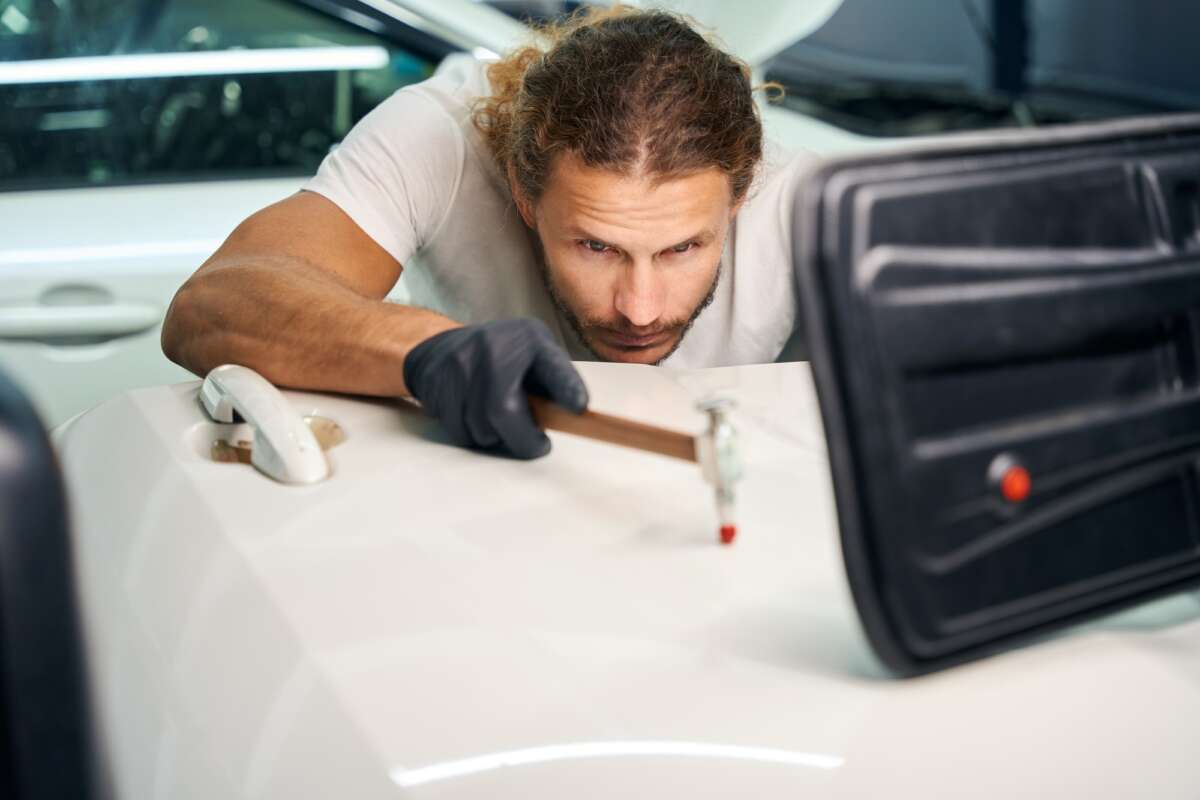
Professional auto collision repair can help determine what actually happened to the vehicle after an accident. A proper inspection can reveal damage that may not be obvious during a quick look in the driveway. The type of repair needed depends on the location and seriousness of the damage.
A scratched bumper is obviously different from damage affecting the suspension or body structure. Trying to ignore a serious problem may also make things worse. A small issue could develop into a larger and more expensive repair if the vehicle continues being driven without attention.
Understand Engine Damage
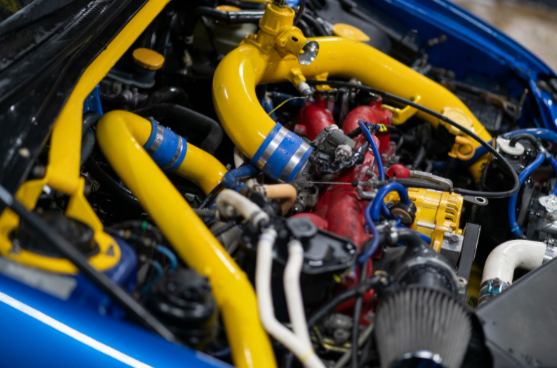
Not every accident damages the engine. However, a harder impact can sometimes affect engine components or nearby systems. This is especially worth checking if the crash involved the front or underside of the vehicle.
After an accident, notice anything unusual. Strange knocking sounds, leaks, reduced power, rough running, or difficulty starting should not simply be blamed on “the car being old.” Tell the repair professional what you noticed so they can investigate the right areas instead of playing automotive detective with half the clues missing.
Learn About Piston Pins
Inside the engine are many small components that work together, including piston pins. These are small metal parts that connect the piston to the connecting rod, allowing the piston to move while transferring force through the engine.
Damage involving internal engine components can be more complicated than a simple exterior repair. That is why unusual engine noises or changes in performance after a crash deserve proper inspection rather than a quick guess about what might be wrong.
Give Repairs Time
It can be tempting to get the car back as quickly as possible, especially if you depend on it every day. Still, rushing repairs can mean missing problems that should have been found during a careful inspection. Ask what was damaged, what needs repairing, and why the work is necessary.
A good repair professional should be able to explain things in normal language. Once the important problems have been checked and repaired properly, you can get back to driving with much more confidence instead of wondering whether that strange noise is going to become tomorrow’s headache.