

Table of Contents
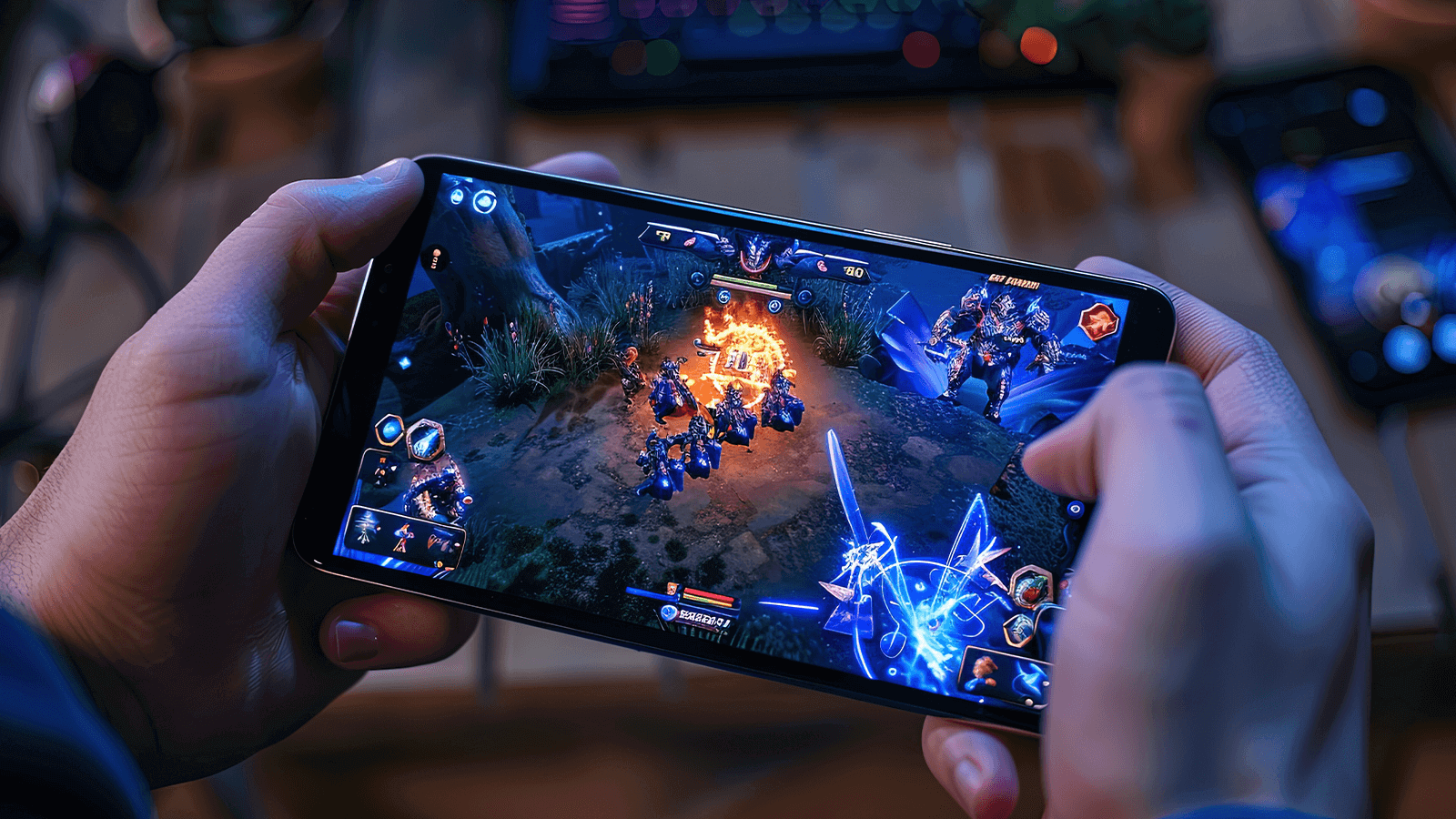
ToggleA phone used to be the thing you checked between real gaming sessions. That line is gone. Mobile Gaming Technology now shapes how millions of Americans play during lunch breaks, commutes, late nights, and weekend downtime without feeling like they settled for a weaker version of entertainment. The screen is smaller, but the experience no longer has to feel small.
This shift matters because mobile play has become personal in a way consoles rarely manage. Your device already knows your habits, your location, your payment preferences, your social circles, and your favorite apps. That makes mobile gaming feel close, quick, and surprisingly sticky. For publishers, creators, and brands tracking digital culture through resources like modern entertainment coverage, the lesson is clear: the phone is not the backup screen anymore. It is the front door.
The best mobile games now compete on comfort, speed, visual polish, and social pull. Players want fast loading, smooth controls, fair rewards, and enough depth to make each session worth returning to. Anything less feels old.
Why Mobile Gaming Technology Changed Everyday Entertainment
Mobile gaming did not win because people stopped caring about bigger screens. It won because it fit into the strange empty spaces of American life: a ten-minute wait at urgent care, a coffee break in Chicago, a quiet night after work in Phoenix. The device was already there, charged, connected, and personal. That convenience changed the rules before many studios noticed.
Faster Phones Turn Short Sessions Into Serious Play
Modern smartphones have made mobile games feel less like tiny distractions and more like full entertainment products. Better processors, stronger graphics chips, and sharper displays let developers build games with cleaner motion, richer lighting, and faster response. A racing game feels different when the frame rate holds steady during a tight corner.
The real win is not raw power. It is trust. When a player taps a game and it opens fast, runs clean, and saves progress without drama, the phone becomes a reliable entertainment device. That reliability keeps people coming back, even when they own a console at home.
American players also have less patience for clunky performance than they used to. They jump between streaming apps, social feeds, podcasts, and shopping apps all day. A mobile game that stutters or drains the battery too fast does not get a long trial. It gets deleted.
Better Screens Make Small Devices Feel Bigger
Phone screens have become brighter, smoother, and more color-rich, which changes how games feel in the hand. A puzzle game with clean contrast feels easier to read. A battle arena game with fluid animation feels more responsive. Even casual games benefit because the player’s eyes do less work.
Screen quality also affects emotion. A horror game on a dim, muddy display loses tension. A sports game with crisp motion feels closer to the broadcast style American fans already know. The phone may sit in your palm, but the visual experience can still pull you in.
The unexpected part is that smaller screens can improve focus. A TV invites distractions across the room. A phone narrows the world. When the interface is designed well, the player gets a tight loop of touch, action, and reward that feels immediate.
Mobile Gaming Technology and the Rise of Social Play
The phone is not only a gaming device. It is a social device first, and that changes everything about play. Games that understand this do not treat multiplayer as an extra mode. They build around sharing, chatting, competing, and returning with friends.
Friends Keep Games Alive Longer Than Features
A game may attract players with graphics, but friends often decide whether it survives. Group missions, shared rewards, leaderboards, and quick invites all help turn a private session into a social habit. That matters in the United States, where entertainment often spreads through group chats before ads ever catch up.
A simple example is the casual player who opens a game because a cousin sent a challenge link. That player may not care about rank systems or seasonal events at first. They care that someone they know is waiting. The social pull lowers the barrier and gives the first session a reason.
Developers sometimes overbuild social systems and miss the human point. Players do not need ten menus to feel connected. They need fast invites, fair matchmaking, readable chat tools, and ways to celebrate without wasting time. Good design feels invisible when it works.
Streaming Culture Pushes Mobile Games Into Public View
Mobile games now travel through TikTok clips, YouTube Shorts, Twitch streams, Discord servers, and Facebook groups. A funny loss, a strange glitch, or a perfect win can move faster than a paid campaign. That public visibility changes what players expect from games.
A game with strong spectator moments has an advantage. Big reactions matter. Clear wins matter. Funny failure matters even more. If a game creates moments people want to show, it earns free attention from the players themselves.
This does not mean every mobile game needs to chase influencers. A quiet strategy game can still grow through thoughtful communities. The deeper lesson is that mobile entertainment no longer ends when the app closes. A good play session becomes a clip, a message, a meme, or a reason to return tomorrow.
How Better Design Makes Mobile Games Feel More Human
A mobile game succeeds when the player forgets the device is limiting them. That does not happen by accident. It comes from smart control choices, readable layouts, fair pacing, and respect for attention.
Touch Controls Need Discipline, Not More Buttons
Touchscreens are powerful, but they punish clutter. A console controller can hide complexity under physical buttons. A phone cannot. Every icon, gesture, and menu sits on the same surface as the game itself, so poor control design becomes annoying fast.
The best mobile games reduce friction. They make common actions easy, keep thumbs away from key visuals, and avoid crowding the screen during tense moments. A shooter, sports title, or role-playing game can feel polished when the controls match what the player’s hands want to do.
There is a hard truth here: mobile games should not always copy console layouts. That choice often creates a cramped mess. The better approach is to design for touch from the start, then add depth through timing, positioning, choices, and feedback.
Reward Systems Must Respect the Player’s Time
Mobile games live and die by return visits, but rewards can either build loyalty or create fatigue. Daily bonuses, upgrade paths, battle passes, and timed events all work when they feel fair. They fail when they turn play into chores.
American players are familiar with subscription fatigue, app notifications, and endless upsells. They can sense pressure. A reward system that respects time gives players progress without making them feel trapped. That balance is harder than it sounds.
The counterintuitive insight is that fewer rewards can sometimes make a game stronger. When every action triggers coins, badges, pop-ups, and offers, nothing feels earned. A clean reward at the right moment lands harder than a screen full of noise.
Performance, Cloud Play, and the Future of Mobile Entertainment
Mobile gaming is moving beyond what the phone can do alone. Faster networks, cloud gaming platforms, cross-save systems, and controller support are turning the phone into a flexible entertainment hub. The strongest future will not belong to one device. It will belong to games that move with the player.
Cloud Gaming Changes What a Phone Can Handle
Cloud gaming lets heavier games run on remote servers while the phone acts as the screen and controller. That opens the door to larger experiences on devices that might not handle them locally. For players, the promise is simple: play more demanding games without buying a new machine.
The catch is connection quality. A cloud game can look impressive in perfect conditions, then feel awful when latency hits. That is why cloud play works best when networks are stable, controls are forgiving, and the game does not punish every tiny delay.
Still, the direction is clear. A player in Dallas might start a game on a smart TV, continue on a phone during travel, then finish on a tablet at night. That kind of movement changes entertainment from a place-based activity into a personal stream.
Cross-Platform Progress Makes Games Feel Worth Keeping
Players invest time, money, and identity into games. Losing progress because they switched devices feels outdated. Cross-save support, account syncing, and shared purchases make mobile gaming feel more permanent and less disposable.
This matters for families too. A teen may play on a phone, a parent may prefer a tablet, and a sibling may use a laptop. When progress follows the account, the game fits the household instead of forcing everyone into one device pattern.
The next step is not only better graphics or faster chips. It is continuity. Mobile Gaming Technology will feel most powerful when players can move between screens without thinking about file transfers, lost rewards, or broken friend lists.
Conclusion
The phone has become the most personal entertainment screen in America, and gaming is one of the clearest signs of that shift. The winners will not be the games with the loudest ads or the most crowded menus. They will be the ones that understand how people actually live: distracted, social, tired, curious, impatient, and still hungry for fun that feels worth their time.
Mobile Gaming Technology works best when it serves that reality instead of fighting it. Smooth performance matters. Strong design matters. Fair rewards matter. Social connection matters even more when it feels natural instead of forced. The future belongs to games that make the small screen feel generous.
Players should expect more from mobile entertainment now. Developers should build with more respect. Brands should stop treating phones as secondary channels. Start judging mobile games by how well they fit real life, because that is where the next entertainment battle is already being won.
Frequently Asked Questions
What makes mobile gaming technology important for modern entertainment?
It brings strong gaming experiences to the device people already carry every day. Better screens, faster chips, stronger networks, and smarter design help mobile games feel smooth, social, and easy to access without needing a console or gaming computer.
How does mobile gaming improve the player experience?
It improves play through faster loading, cleaner graphics, smoother touch controls, social features, and progress that can follow the player across devices. The best mobile games respect short sessions while still giving enough depth for longer play.
Why are mobile games popular in the United States?
They fit busy routines. Many Americans play during breaks, commutes, travel, or downtime at home. Phones are already connected, personal, and easy to use, which makes gaming feel less planned and more available throughout the day.
Can mobile gaming replace console gaming?
It can replace consoles for some players, but not for everyone. Console gaming still offers big-screen comfort and dedicated controls. Mobile gaming wins on convenience, quick access, portability, and social sharing.
What role does cloud gaming play in mobile entertainment?
Cloud gaming lets phones run games that would normally need stronger hardware by streaming them from remote servers. A stable connection is needed, but it can make mobile devices feel much more capable.
How do social features help mobile games grow?
Social features give players reasons to return. Friend invites, group missions, leaderboards, shared rewards, and clips all turn a solo game into a shared habit. A game tied to real relationships often lasts longer.
What should developers focus on in mobile game design?
They should focus on smooth performance, simple controls, readable screens, fair rewards, and fast social access. A mobile game should feel built for touch and short sessions, not squeezed down from a console design.
Is mobile gaming technology good for casual players?
Yes. Casual players benefit from fast access, simple learning curves, and flexible session lengths. They can enjoy a game for five minutes or an hour without needing extra hardware, complex setup, or a fixed gaming space.
Ask our best model, GPT-5.5 Pro
GPT-5.5 Pro is tuned for the hard tasks: science, data science, and business. Upgrade to unlock our best model.
Get Pro