
Table of Contents
ToggleA toilet that drains slowly is often an early warning rather than a harmless annoyance. The bowl may still empty, but restricted flow can eventually become a complete blockage or contribute to an overflow.
Before flushing repeatedly, watch how the water behaves. The pattern can help distinguish a localized toilet clog from a broader drainage problem.
Recognize the Pattern Before Using More Water
A healthy toilet should clear the bowl with a strong, predictable flush. If the water rises unusually high, drains sluggishly, or leaves waste behind, something may be restricting the flow.
One slow flush isn’t always enough to identify the cause. Repeated sluggish flushing, especially when the problem becomes gradually worse, deserves attention.
Check nearby plumbing fixtures
Run a nearby sink or shower briefly and observe its drainage. If several fixtures are slow or make gurgling sounds, the problem may extend beyond the toilet itself.
Avoid repeatedly flushing a bowl that’s already filling higher than normal. Every extra flush adds water that may have nowhere to go.
Try a Toilet Plunger First
A flange-style toilet plunger is designed to seal around the toilet outlet. Place it into the bowl, establish a seal, and use controlled plunging strokes rather than splashing aggressively.
People looking through practical home guides may encounter many quick fixes, but choosing the right tool matters. A flat sink plunger often doesn’t seal a toilet opening as effectively as a toilet-specific design.
After plunging, test cautiously with one flush. If the water rises toward the rim, stop adding water.
Use a Toilet Auger for a Stubborn Local Clog
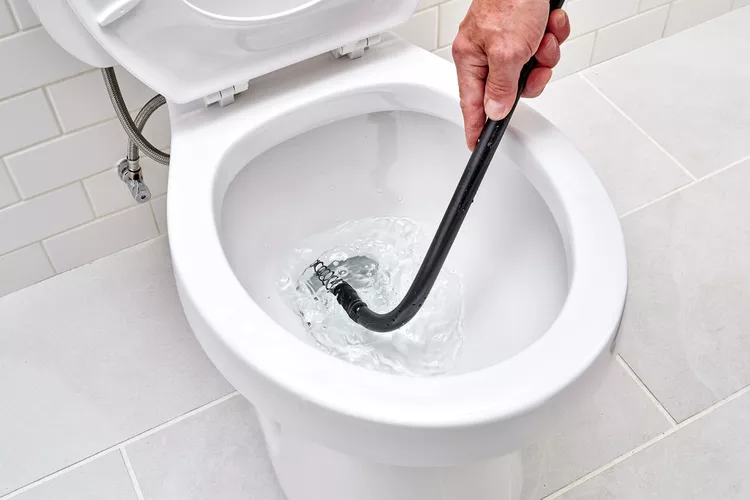
A toilet auger can reach an obstruction that a plunger can’t move. Feed it carefully according to the tool instructions so the cable passes through the toilet trap without scratching the bowl.
Thoughtful functional room planning includes keeping basic maintenance access practical, especially in bathrooms where a plumbing problem can quickly affect flooring and nearby finishes.
| What You Notice | Possible Meaning | Next Move |
|---|---|---|
| One toilet is slow | Local obstruction | Plunge or auger |
| Water rises first | Restricted outlet | Stop repeated flushing |
| Several drains are slow | Larger drain issue | Investigate main drainage |
| Gurgling nearby | Drain or vent interaction | Consider professional inspection |
Never force an auger if it jams. Pulling or twisting aggressively can damage the toilet surface or the tool.
Know When the Problem Is Beyond the Toilet
A blockage farther down the waste line can affect more than one fixture. You may notice a shower or tub backing up when the toilet is flushed, unusual gurgling, or wastewater appearing at a low drain.
General everyday home advice can help with routine upkeep, but recurring multi-fixture drainage problems usually require diagnosis of the plumbing system rather than another round of toilet plunging.
If sewage begins backing up indoors, limit water use until the drainage problem is addressed.
Common Mistakes That Can Worsen the Blockage
Repeated flushing is one of the fastest ways to turn slow drainage into an overflowing bowl. Another mistake is putting unsuitable items down the toilet because they appear small enough to disappear.
Be cautious with chemical drain cleaners. Many aren’t intended for toilet blockages, and standing chemicals can create hazards for anyone who later plunges or opens the plumbing. Mechanical clearing is usually easier to control.
Frequently Asked Questions
Can too much toilet paper cause slow drainage?
Yes. A large amount of toilet paper can temporarily restrict the toilet trap or drain, especially when combined with an existing partial blockage or weak flushing performance.
Why does my toilet gurgle when another drain is used?
Gurgling can occur when air movement in the drainage system is disrupted. A developing drain obstruction or venting issue may be involved, especially when multiple fixtures show symptoms.
When does a slow toilet need a plumber?
Call for help when plunging doesn’t restore normal flow, the problem repeatedly returns, multiple drains are affected, sewage backs up elsewhere, or you suspect a blockage deeper in the building drain.
Deal With Slow Flow Before It Becomes No Flow
Treat repeated slow drainage as an early maintenance signal. Start with a proper toilet plunger, move to an auger only when appropriate, and watch other fixtures for clues about the size of the problem.
Solving a partial blockage now is far easier than managing an overflowing toilet later.