
Table of Contents
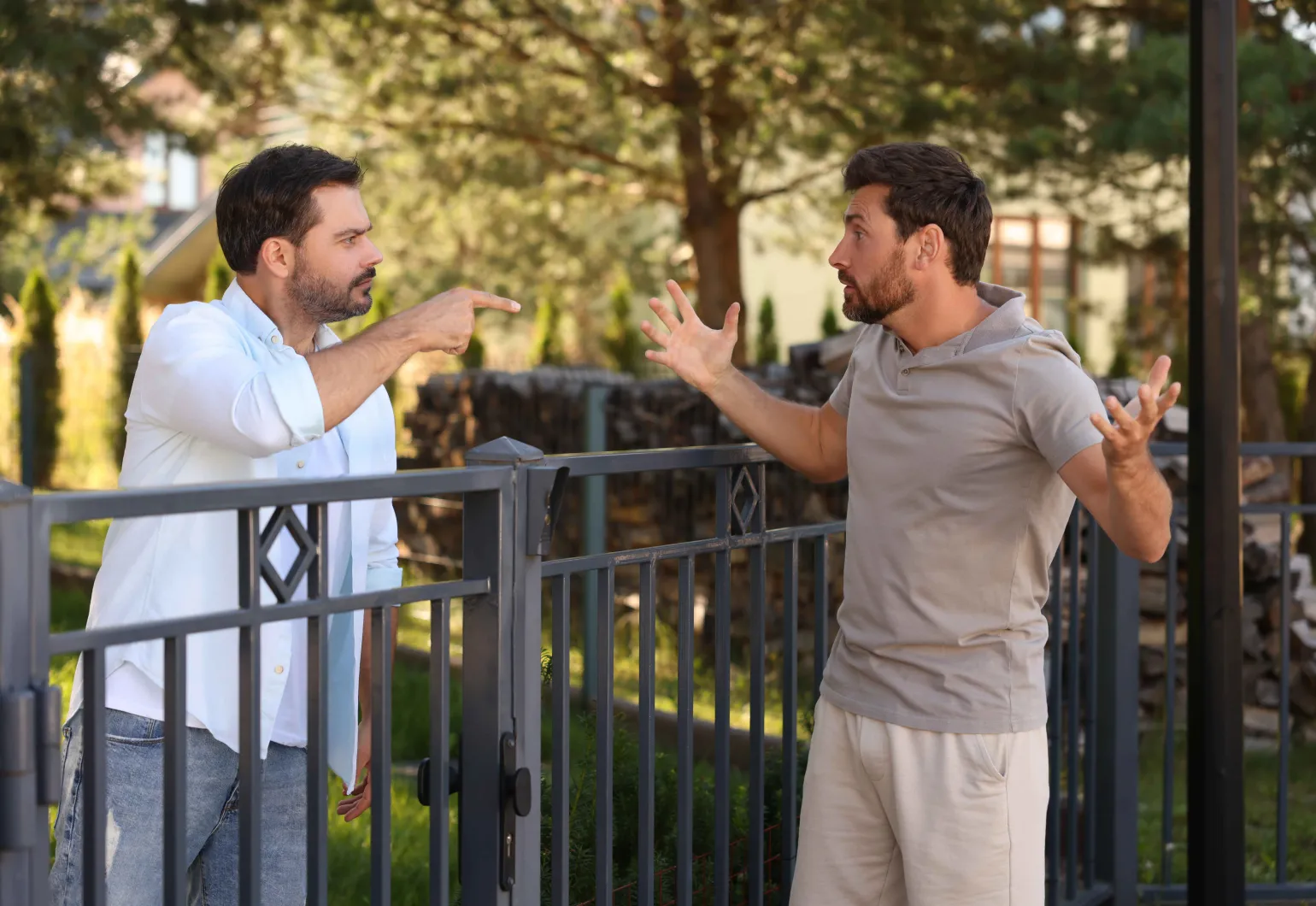
ToggleDifficult neighbor disputes often become worse because small frustrations turn into personal battles. Noise, parking, pets, property boundaries, trash, or shared spaces are easier to address when the discussion stays focused on the specific behavior rather than the personality of the person involved.
Early, calm communication usually gives both sides more room to find a workable solution.
Separate the Problem From the Person
Start by defining what is actually happening. “My neighbor is inconsiderate” is hard to solve. “Music is regularly audible in my bedroom after midnight” identifies a specific problem.
Keeping the issue concrete also makes it easier to explain. General community news pages may show how neighborhood concerns are discussed publicly, but a private disagreement is usually better handled with precise facts rather than broad accusations.
Pick the Right Time to Talk
Do not begin the conversation while you are angry or while the problem is actively happening unless immediate action is necessary.
A neutral time creates a better chance of being heard. Keep the first discussion short and avoid bringing in every past annoyance.
Start With a Reasonable Request
Explain what you are experiencing and ask for a specific adjustment. “Could you keep the music lower after 10 p.m.?” gives the other person something concrete to respond to.
People may encounter conflict advice through public publishing resources and many other places online, but neighborhood relationships vary. The request should reflect the actual situation rather than a scripted confrontation.
| Problem | Useful First Request | Avoid |
|---|---|---|
| Late noise | Agree on quieter hours | Personal insults |
| Parking conflict | Clarify space use | Blocking vehicles |
| Pet issue | Request cleanup/control | Threats |
| Shared area | Agree on responsibilities | Public shaming |
Keep a Simple Record if Problems Continue
If repeated discussions do not help, keep notes of significant incidents. Record dates, times, what happened, and any communication related to the issue.
Documentation is most useful when it remains factual. Long emotional descriptions can make the real pattern harder to identify.
Broader editorial reference pages may help when researching general communication topics, while official local rules should be checked through the relevant landlord, homeowners association, municipality, or other responsible authority when a dispute involves formal restrictions.
Know When a Third Party May Help
Some disagreements reach a point where direct conversations are no longer productive. A landlord, property manager, homeowners association, mediator, or appropriate local service may be able to clarify responsibilities.
Which option makes sense depends on the problem. A parking disagreement in an apartment complex is different from a property-line dispute between homeowners.
If the matter involves threats, violence, suspected criminal activity, or immediate danger, ordinary neighbor negotiation is no longer the right tool. Seek appropriate local assistance.
What Makes Neighbor Conflicts Worse
Retaliation is one of the fastest ways to escalate a manageable problem. Responding to loud music with louder music or blocking a vehicle because someone previously inconvenienced you creates a new dispute rather than resolving the first one.
Public arguments can also make compromise harder. Posting accusations in neighborhood groups may feel satisfying temporarily, but it can turn a two-person disagreement into a larger social conflict.
Avoid assuming bad intent when a simpler explanation is possible. Some problems begin with misunderstanding rather than deliberate disrespect.
Frequently Asked Questions
Should I speak to my neighbor before contacting a landlord?
For ordinary non-dangerous problems, a calm conversation may be a reasonable first step. If direct contact feels unsafe or previous interactions have been threatening, use an appropriate third party instead.
What should I document during an ongoing neighbor dispute?
Keep factual notes about meaningful incidents, including dates, times, what occurred, and relevant communications. Avoid exaggeration and preserve any legitimate written notices or messages.
Can mediation help with neighbor disagreements?
Mediation can sometimes help when both sides are willing to discuss the problem but cannot reach an agreement alone. Availability and procedures vary by location.
Resolve the Smallest Problem You Can
Do not try to fix an entire neighbor relationship in one conversation. Identify the immediate behavior causing trouble, make a reasonable request, and leave room for practical compromise. If the pattern continues, document it and use the appropriate third-party process. Keeping the dispute specific and proportionate gives you a better chance of solving the problem without turning daily life into an ongoing confrontation.