
Table of Contents
ToggleA worn tire does not always announce itself with drama. Sometimes it whispers through a faint pull in the steering wheel, a soft thump on the highway, or a pressure warning you planned to handle after work. Tire Care matters because those small signals can decide how your car grips, turns, brakes, and handles the next stretch of road. For American drivers moving through school drop-offs, interstate commutes, rural highways, and weekend trips, tires carry more responsibility than they get credit for.
Good tire habits are not about babying your vehicle. They are about keeping control when rain hits fast, traffic stops hard, or road debris appears with no warning. A driver who understands tire pressure, tire tread, tire rotation, and wheel alignment has a real advantage before trouble starts. For broader road-readiness ideas, drivers can also learn from practical automotive safety resources that connect daily habits with smarter travel decisions. The better you treat your tires, the less your vehicle has to fight the road.
Tire Care Starts With Knowing What Your Tires Are Telling You
Most drivers look at tires only when something feels wrong, but tires usually send clues long before a breakdown. The problem is that those clues feel easy to ignore. A little vibration. A slow leak. A worn outside edge. None of it looks urgent until the car needs grip and the tire cannot deliver.
Why Tire Pressure Changes More Than Drivers Expect
Tire pressure is not a set-it-and-forget-it detail. It shifts with temperature, driving load, road conditions, and time. A cold morning in Michigan can lower pressure enough to change how the tire meets the pavement, while a hot afternoon in Arizona can push pressure higher after miles of highway driving.
That matters because poor tire pressure changes the size and shape of the contact patch. Too low, and the tire flexes too much. Too high, and the center can take more wear than it should. Either way, the tire no longer works the way the manufacturer designed it to work.
The best habit is simple: check tire pressure when the tires are cold, before long drives, and whenever the weather swings hard. The correct number sits on the driver-side door placard, not on the tire sidewall. The sidewall shows maximum pressure, which is not the same as the recommended everyday setting.
What Uneven Wear Says About Your Vehicle
Tire tread tells a story, but most drivers read it too late. Smooth wear across the tire usually means the vehicle is behaving well. Wear on one edge can point toward alignment trouble. Cupped or patchy tread may suggest worn suspension parts, imbalance, or repeated driving on rough roads.
A practical example shows up often in suburban driving. A commuter in Texas may hit the same pothole-heavy route every morning, then notice the steering wheel starts to shake at 60 mph. The tire may still hold air, but the wear pattern is already warning that something deeper needs attention.
You do not need a mechanic’s eye to spot the first signs. Walk around the car once a week and look for odd edges, exposed cords, cracks, bulges, nails, or stones lodged in grooves. The earlier you catch a bad pattern, the cheaper the fix usually becomes.
Building Daily Habits That Protect Tires Before Long Trips
A tire problem feels sudden when it happens on the roadside, but many failures begin with quiet neglect. Long trips expose what daily driving hides. Heat builds. Weight increases. Speeds stay high. That harmless slow leak from last Tuesday can become a dangerous problem two states later.
How a Five-Minute Walkaround Prevents Bigger Trouble
A walkaround sounds too simple to matter, yet it catches problems that dashboards miss. Before a road trip, look at all four tires from more than one angle. Check for low stance, sidewall damage, uneven shoulders, missing valve caps, and anything stuck in the rubber.
This small habit becomes more useful when your vehicle carries extra weight. Luggage, coolers, sports gear, pets, and passengers change how the tires work. Heavier loads generate more heat, and heat is one of the enemies tires handle every mile.
Drivers often trust the tire pressure monitoring system as if it replaces inspection. It does not. TPMS warns after pressure drops below a threshold, but it may not catch slow wear, sidewall bubbles, or tread damage. Your eyes still matter.
Why Tire Rotation Keeps Wear Under Control
Tire rotation helps each tire share the workload. Front tires often handle more steering and braking force, especially on front-wheel-drive vehicles. Rear tires may wear differently depending on suspension design, load, and driving style. Rotation gives the set a fairer life.
Most drivers should follow the interval in the owner’s manual, often around every 5,000 to 8,000 miles. That timing pairs well with oil changes for many vehicles. Waiting until the tire tread looks visibly uneven is waiting too long.
There is a money angle here too. Replacing one or two tires early because they wore unevenly can create traction imbalance across the vehicle. A simple tire rotation routine helps protect the full set, which keeps the car more predictable and the budget less bruised.
Tire Tread and Road Grip Decide How Much Control You Keep
Grip is not a luxury. It is the thin agreement between your car and the road, and tire tread is one of the main things holding that agreement together. Dry pavement can hide weak tires for a while. Rain, snow, gravel, and sudden braking expose them fast.
How Much Tire Tread Is Enough for Real Roads?
The legal minimum tread depth in many places is 2/32 of an inch, but legal does not always mean smart. Wet roads demand more margin. Once grooves get shallow, water has less room to move away from the contact patch, and hydroplaning risk climbs.
A penny test can give a rough warning, but a tread depth gauge gives a clearer answer. Gauges cost little and remove guesswork. If you often drive in rain, snow, or mountain areas, do not wait until tires reach the lowest legal edge before replacing them.
The counterintuitive truth is that tires can look acceptable in a parking lot and still perform poorly in a storm. The road does not care how much life you think is left. It responds to rubber, depth, temperature, and speed.
Why Weather Changes the Rules for Every Driver
American drivers face wildly different tire demands. A family in Florida worries about heavy rain and heat. A driver in Colorado faces snow, ice, elevation, and sharp temperature swings. Someone in rural Pennsylvania may deal with gravel shoulders, deer crossings, and patched backroads in one trip.
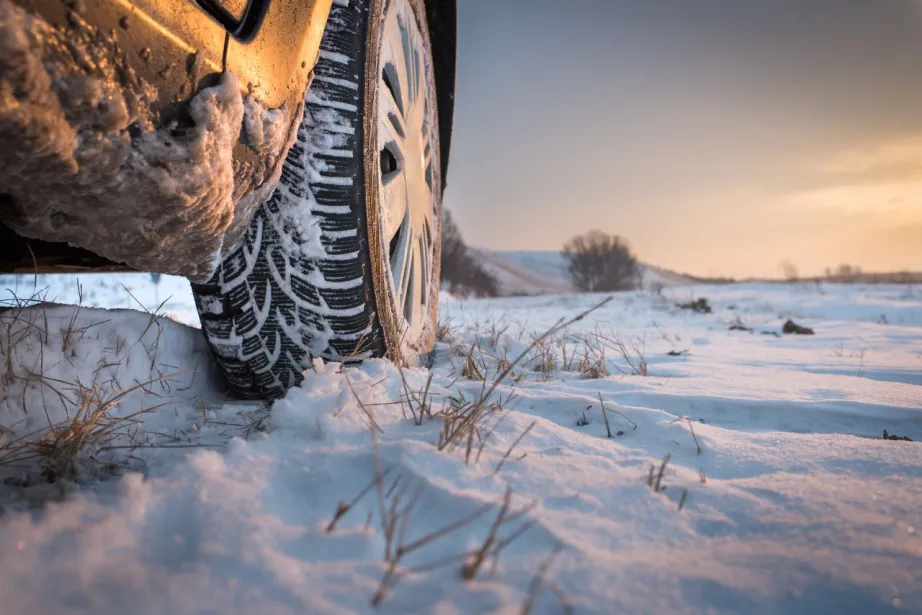
All-season tires serve many drivers well, but they are not magic. Winter tires make sense in areas with frequent snow and freezing conditions because their rubber compounds stay more flexible in the cold. Summer tires grip well in warm weather but can suffer when temperatures fall.
The smart move is matching the tire to your real driving life, not to what looks good on sale. A cheap tire that cannot handle your climate is not a bargain. It is a delayed problem with a shiny sticker.
Wheel Alignment, Balance, and Repairs Shape Safer Road Travel
A tire does not work alone. It depends on alignment, balance, suspension, braking, and the driver’s habits. This is where many people get fooled. They replace tires, then keep the same bad alignment that ruined the old set. The new rubber starts losing the same fight.
When Wheel Alignment Becomes a Safety Issue
Wheel alignment affects how your tires meet the road. When alignment is off, the vehicle may pull to one side, the steering wheel may sit crooked, or the tires may wear on their edges. Sometimes the warning is subtle, especially after a curb strike or pothole hit.
A small alignment issue can become expensive because it scrubs rubber away mile after mile. Worse, it can make emergency handling less stable. During a sudden lane change, you want the tires pointing and gripping as intended, not dragging against the road at a bad angle.
Drivers should take alignment seriously after suspension repairs, new tire installation, hard impacts, or visible uneven wear. A shop can measure what the naked eye cannot. That one check can protect both safety and tire life.
How Repairs Should Be Handled Without Guesswork
Not every puncture means a tire is ruined, but not every tire deserves a patch either. A nail in the tread area may be repairable if the damage is clean and the tire has enough remaining life. Sidewall damage is different. Sidewalls flex constantly, and repairs there are unsafe.
A proper repair usually involves removing the tire from the wheel, inspecting the inside, and using a patch-plug method. Quick exterior plugs may get a driver out of a bind, but they should not replace a full inspection when safety is on the line.
The National Highway Traffic Safety Administration offers tire safety guidance that reminds drivers to inspect tires, maintain correct pressure, and replace unsafe tires before they fail. That advice sounds plain because it is. Road safety often comes down to plain things done on time.
Conclusion
A driver who treats tires as an afterthought gives up control before the road even gets difficult. The better approach is not complicated, but it does require attention. Check pressure before it becomes a warning light. Read tread before it turns into a skid. Schedule rotation before uneven wear steals miles from the set. Treat alignment as part of safety, not as an optional shop upsell.
Tire Care works best when it becomes a rhythm rather than a reaction. A few minutes in the driveway can protect a highway trip, a school run, a late-night drive home, or a vacation route through weather you did not expect. That is the real value. You are not chasing perfection; you are building margin.
Start with one habit this week: check your pressure, inspect your tread, and book service if something looks wrong. The road asks for respect every mile, and your tires answer first.
Frequently Asked Questions
How often should drivers check tire pressure for safe road trips?
Check tire pressure at least once a month and before any long trip. Always measure it when the tires are cold for the most accurate reading. Use the number on the driver-side door placard instead of the maximum pressure printed on the tire.
What are the early warning signs of worn tire tread?
Look for shallow grooves, uneven edges, cracks, bald patches, vibration, or slipping on wet roads. A tread depth gauge gives a more accurate reading than a visual check. Replace tires before they reach unsafe depth, especially if you drive often in rain or snow.
Why does my car pull to one side while driving?
A pull to one side often points to alignment problems, uneven tire pressure, brake drag, or tire wear. Start by checking pressure in all four tires. If the pull remains, schedule an inspection because poor alignment can damage tires and reduce control.
How often should tire rotation be done on most vehicles?
Most vehicles need rotation every 5,000 to 8,000 miles, though the owner’s manual gives the best interval. Many drivers pair rotation with oil changes. Regular rotation helps the tires wear more evenly and can extend the useful life of the full set.
Can a tire with a nail still be repaired safely?
A tire may be repairable if the nail is in the tread area and the damage is not too large. Sidewall punctures should not be repaired. A proper shop inspection matters because hidden internal damage can make a simple-looking puncture unsafe.
Are all-season tires enough for winter driving?
All-season tires work for light winter conditions, but they may not be enough in areas with frequent snow, ice, or freezing temperatures. Winter tires offer better cold-weather grip because their rubber stays more flexible and their tread is designed for snow and slush.
What causes tires to wear unevenly on one edge?
One-edge wear often comes from poor alignment, worn suspension parts, underinflation, or aggressive cornering. Ignoring it can shorten tire life fast. Have the vehicle inspected before replacing tires, or the new set may develop the same wear pattern.
How can drivers make tires last longer?
Maintain correct pressure, rotate tires on schedule, keep the wheels aligned, avoid hard curb hits, and inspect tread regularly. Smooth braking and steady cornering also help. Small habits add up, especially for drivers who spend many miles on highways or rough local roads.