
Table of Contents
ToggleA dependable bike does not happen by luck. It comes from the small checks riders make before the noise, wobble, leak, or hard start turns into a roadside problem. For American riders who commute through city traffic, ride weekend backroads, or park their motorcycles through rough winters, motorcycle maintenance is the quiet difference between confidence and guessing. The machine gives warnings early. Most riders miss them because the bike still starts, still rolls, and still feels “fine enough” for one more trip. That is where trouble begins.
Reliable road performance starts in the garage, driveway, or parking spot before the ride ever starts. You do not need to treat every bike like a race machine, but you do need a steady habit of looking, listening, and feeling for change. A rider who tracks wear, fluids, pressure, and controls will catch most issues while they are still small. For riders comparing vehicle care habits, ownership costs, and practical road advice, transportation and service insights can also help frame smart decisions before problems get expensive.
Why Routine Care Shapes Every Mile You Ride
A motorcycle has less room for neglect than a car. Two tires, exposed parts, a compact engine, and direct rider control mean small mechanical changes show up fast. The upside is simple: bikes also reward attention faster than almost any vehicle on the road. A few steady habits can make the difference between a ride that feels loose and one that feels planted.
How Small Mechanical Checks Prevent Big Road Problems
The best riders do not wait for a warning light or a strange sound to start caring. They walk around the bike with purpose. They notice the rear tire wearing flat from highway commuting. They spot a missing chain lube shine before the chain starts barking. They see a brake fluid level drop before the lever feels weak.
That kind of attention is not paranoia. It is pattern recognition. A motorcycle speaks through feel, sound, smell, and resistance, and every rider eventually learns the language if they pay attention long enough. A sticky throttle, a spongy lever, or a slow crank on a cold morning usually tells the truth before a part fails.
The counterintuitive part is that the most boring checks often prevent the most dramatic problems. Tire pressure does not feel exciting. Chain tension does not make a rider feel skilled. Yet both can decide whether a bike tracks cleanly through a curve or fights the rider halfway through it.
Why Waiting for Failure Costs More Than Prevention
Many riders put off basic care because the bike still runs. That logic feels reasonable until one ignored issue pulls three other parts down with it. A dry chain wears sprockets. Old oil stresses engine parts. Low coolant turns a hot day into a tow bill. The first problem is often cheap. The delay is what gets expensive.
American riding conditions make this worse because weather swings can be brutal. A bike in Arizona deals with heat and dust. A bike in Michigan may sit through months of cold storage. A bike in Florida faces humidity and sudden rain. Same machine, different punishment.
The smart move is to build care around your riding life, not some perfect manual schedule that ignores reality. A weekend cruiser, a daily commuter, and a touring rider do not wear parts at the same pace. Good maintenance respects mileage, weather, storage, and riding style together.
Motorcycle Maintenance Habits That Keep Core Systems Healthy
The heart of reliable riding sits in a few systems that need steady attention: tires, brakes, fluids, battery, chain or belt drive, and lights. None of these systems asks for drama. They ask for consistency. Once riders accept that, maintenance stops feeling like a chore and starts feeling like control.
What Should You Check Before Every Motorcycle Ride?
A pre-ride check should be quick enough that you will actually do it. Start with tires. Look for nails, cracks, uneven wear, and low pressure. A tire can look fine from ten feet away and still carry damage that changes the ride. Use a pressure gauge often because your eyes are poor measuring tools.
Brake feel comes next. Squeeze the front lever and press the rear pedal before rolling out. The pressure should feel familiar. If the lever pulls closer than usual or the pedal sinks, do not ignore it. A motorcycle depends on brake response in a way that leaves no margin for wishful thinking.
Finish with lights, horn, mirrors, and visible leaks. It takes less than a minute to confirm the bike can be seen, heard, and stopped. That minute feels small in the driveway. It feels huge when traffic stacks up fast on an interstate entrance ramp.
How Do Fluids Affect Reliable Road Performance?
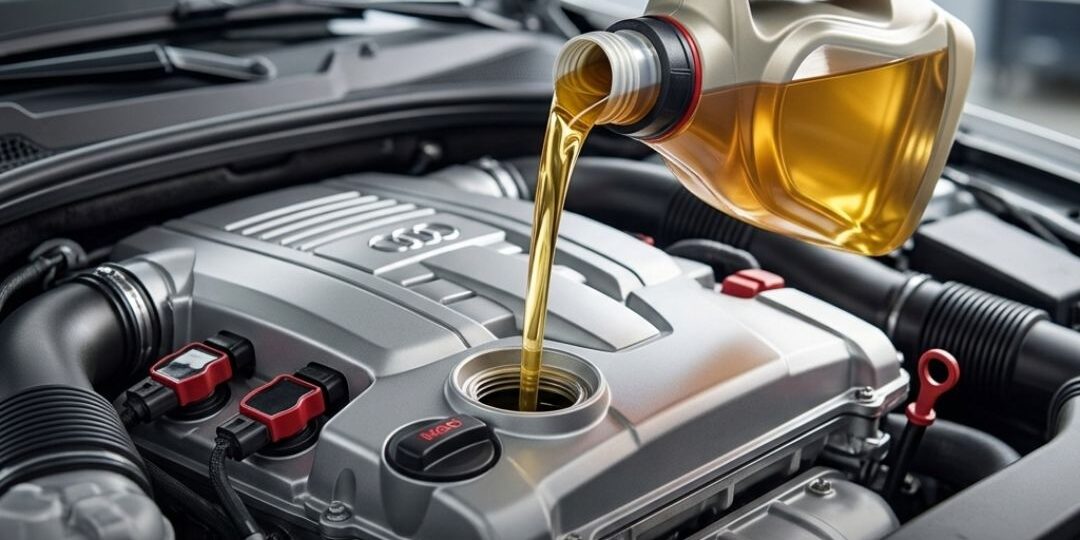
Engine oil carries more responsibility than many riders give it credit for. It cools, cleans, protects, and helps the engine survive heat and friction. Dirty or low oil turns normal riding into unnecessary wear. On many motorcycles, oil condition also affects shifting feel, so rough gear changes can be a hint worth respecting.
Brake fluid deserves the same seriousness. It absorbs moisture over time, which weakens performance under heat. A rider may not notice the decline on short city trips, then feel the difference during a hard stop or long downhill stretch. That is the wrong moment to learn the fluid has aged out.
Coolant, if your bike uses it, needs attention before hot weather arrives. Air-cooled bikes need clean fins and proper oil more than owners sometimes think. Different systems, same lesson: heat management keeps a bike alive. Ignore heat, and the machine collects the bill.
Tires, Brakes, and Controls Decide How Safe the Bike Feels
Power gets attention, but contact and control decide the ride. Tires hold the road. Brakes manage speed. Controls translate your hands and feet into movement. When these pieces feel right, the bike feels honest. When they drift, the rider starts making silent corrections without knowing why.
Why Tire Pressure Changes More Than Comfort
Tire pressure shapes handling, braking, fuel use, and tire life. Low pressure can make a motorcycle feel heavy, slow to turn, and unstable under load. Overinflation can reduce grip and make the ride harsh. Neither problem always announces itself loudly, which is why checking pressure matters.
Temperature shifts also change pressure. A bike parked overnight in cold air may start the day underinflated, then behave differently after the tires warm. Riders in states with large seasonal swings should treat pressure checks as normal, not optional.
Tread depth matters, but tread shape matters too. A tire squared off from highway miles can resist lean and make curves feel awkward. That does not mean the rider forgot how to ride. It means the tire has changed the conversation. Replace tires based on condition, age, and feel, not only the legal minimum.
How Brake Wear Shows Up Before It Becomes Dangerous
Brake pads rarely fail without warning. They thin out, squeal, grind, or change lever feel. Rotors may develop grooves. Fluid may darken. The bike may need more distance to stop. Each sign gives the rider a chance to act before stopping power becomes a gamble.
Good braking also depends on clean habits. Resting a foot on the rear brake, dragging brakes in traffic, or ignoring caliper grime can create extra heat and wear. A rider may blame the parts when the real issue is technique mixed with neglect.
Control cables and hydraulic lines belong in this same conversation. A clutch that feels rough or a throttle that does not snap back cleanly needs attention. These are not comfort problems. They are command problems. The bike should respond when you ask, not after a pause.
Storage, Seasonal Care, and Riding Habits Extend Bike Life
A motorcycle spends many hours not moving. That parked time can age fuel, drain batteries, dry rubber, invite corrosion, and expose weak spots. Good riders think beyond the ride itself. They care for the machine before storage, after storage, and during the messy middle of real life.
What Should Riders Do Before Parking a Motorcycle Long-Term?
Long-term storage starts with clean fuel planning. Old fuel can gum up systems and make spring starts miserable. Use the right stabilizer when storing the bike for the season, then run the engine long enough to move treated fuel through the system. Guessing here wastes time later.
Battery care matters even more. Modern bikes often draw small amounts of power while parked. A battery tender can keep the battery healthy without overcharging it, which saves money and avoids that flat, silent click on the first warm weekend. Few sounds disappoint a rider faster.
Clean the bike before storage because dirt holds moisture. Lube the chain, check tire pressure, and cover the motorcycle with breathable protection. A cheap plastic tarp can trap moisture and cause more harm than good. Storage should protect the bike, not seal trouble inside.
How Riding Style Changes Maintenance Needs
Aggressive riding wears parts faster. So does stop-and-go commuting. So does hauling luggage, riding two-up, or spending hours at highway speed in summer heat. The manual gives a baseline, but your riding habits tell the full story.
Short trips can be tougher on a motorcycle than riders expect. The engine may not reach full operating temperature long enough to burn off moisture. The battery may not recover from repeated starts. The brakes and clutch may work harder in city traffic than they would on a steady rural ride.
The honest approach is to inspect based on stress, not pride. A bike ridden hard does not need excuses. It needs shorter check intervals, cleaner fluids, closer tire attention, and a rider willing to admit that fun has a cost. That cost is worth paying before the machine pays it for you.
Conclusion
Reliable motorcycles are not built only at the factory. They are kept reliable by riders who notice change early and refuse to treat maintenance like punishment. The payoff is not only fewer repair bills. It is trust. You lean into a curve differently when you know your tires are right. You brake with more confidence when the lever feels familiar. You start a long ride with a calmer mind when the fluids, chain, lights, and battery have all earned your faith.
The most useful truth about motorcycle maintenance is that it does not demand perfection. It demands rhythm. Check what wears. Replace what ages. Listen when the bike feels different. Keep notes if your memory gets crowded. A motorcycle rewards that discipline with cleaner starts, smoother rides, and fewer ugly surprises on the shoulder. Make the next ride safer before the engine ever turns over.
Frequently Asked Questions
How often should motorcycle tires be checked for safe riding?
Check tire pressure before every ride or at least weekly if you ride often. Inspect tread, sidewalls, and visible damage during the same check. Pressure can change with temperature, storage time, and load, so a gauge gives better truth than a quick glance.
What basic motorcycle tools should every rider keep at home?
A good tire pressure gauge, battery tender, torque wrench, socket set, chain brush, chain lube, screwdrivers, and clean shop towels cover many routine tasks. Add the tools listed in your owner’s manual because motorcycle fasteners and adjustment points vary by model.
When should motorcycle oil be changed for normal use?
Follow the owner’s manual interval first, then adjust for riding style and conditions. Frequent short trips, heat, dusty roads, and hard riding can justify earlier changes. Fresh oil protects the engine, improves shifting feel on many bikes, and reduces long-term wear.
Why does a motorcycle chain need regular cleaning and lubrication?
A chain runs exposed to dirt, water, grit, and road grime. Cleaning removes abrasive buildup, while lubrication reduces friction and slows wear. A neglected chain can stretch, bind, damage sprockets, and create rough power delivery that affects the entire ride.
How can riders tell when brake pads need replacement?
Look for thin pad material, squealing, grinding, weaker stopping power, or a brake lever that feels different from normal. Some pads include wear indicators. Inspect both front and rear brakes because they can wear at different rates depending on riding style.
What should be done before riding after winter storage?
Check the battery, tires, brakes, lights, fluids, chain or belt, throttle movement, and visible leaks before the first ride. Start with a short local trip instead of a long highway run. That first ride should confirm the bike feels normal under real load.
Is motorcycle maintenance harder for beginners than car maintenance?
It can feel more exposed at first, but many routine motorcycle checks are easier to see and understand. Tires, chains, controls, leaks, and lights are often right in front of you. The key is learning slowly, using the manual, and avoiding guesswork on safety systems.
What maintenance mistakes do new motorcycle owners make most?
New riders often ignore tire pressure, delay chain care, skip brake inspections, forget battery maintenance, and assume low mileage means no aging. Rubber, fluids, and batteries can degrade even when the bike sits. Time matters as much as miles.