

Table of Contents
ToggleA good road trip rarely falls apart because of one huge mistake. It falls apart because the small things were ignored: the dead phone, the warm drinks, the stiff neck, the loose charger, the snack bag buried under luggage. That is where automotive travel essentials become the quiet difference between a trip that feels smooth and one that wears everyone down before the second fuel stop.
For drivers across the USA, long-distance travel is not only about getting from one city to another. It might mean crossing state lines for a family visit, taking kids to a national park, driving through summer heat in Arizona, or sitting through holiday traffic outside Atlanta. Reliable planning matters because American roads can shift from open highway to crowded construction zones fast. A smart driver thinks like a host, a mechanic, and a problem-solver at the same time.
Comfort starts before the engine turns over. The better you prepare the cabin, the storage, the emergency gear, and the daily rhythm of the drive, the less stress follows you down the road. For broader travel and lifestyle planning ideas, resources like digital travel and business insights can help readers think beyond the drive itself and plan with more confidence.
Automotive Travel Essentials That Make Long Drives Feel Easier
The first mistake many travelers make is packing for the destination while ignoring the hours spent inside the vehicle. That gap shows up fast. A beautiful hotel room does not help when your back hurts, the kids are restless, and the front seat looks like a gas station exploded in it.
Comfort Gear That Protects Your Body on the Road
Long drives punish small weaknesses. A seat that feels fine during a 20-minute grocery run can feel like a wooden bench after four hours on I-95 or I-40. A supportive seat cushion, neck pillow, and breathable back support can turn a stiff ride into something your body can handle without complaint.
The best comfort gear does not feel fancy. It feels useful. A driver who can shift posture, rest the neck, and keep the lower back supported stays more alert. Passengers benefit too, especially older adults, teens, and anyone prone to motion discomfort.
Blankets also earn their place, even in summer. Air conditioning battles sunlight, body heat, and personal preferences inside one small cabin. A lightweight blanket lets one passenger stay warm without forcing the driver to change the temperature every ten minutes. Peace has value.
Cabin Items That Keep Everyone Calm
A calm cabin starts with easy access. Chargers, tissues, wipes, sunglasses, lip balm, hand sanitizer, and small trash bags should not be buried under suitcases. Place them where hands can reach without digging. That single habit prevents half the irritation that builds during a long drive.
A simple seat-back organizer can save the mood of the trip. Kids get their headphones, books, tablets, and snacks in one place. Adults get a cleaner cabin and fewer “where is my charger?” moments. The vehicle stops feeling like storage and starts feeling like a travel space.
Noise control matters more than people admit. Earbuds, soft playlists, or quiet periods can reset the energy inside the car. Not every mile needs conversation. Some miles need silence, open road, and room for everyone to settle.
Smart Storage Choices for Safer Road Adventures
Comfort gets the trip started well, but storage keeps it from turning into a mess. Poor packing does more than annoy people. It can block visibility, slow down rest stops, and create safety issues if loose items shift during sudden braking.
How to Pack the Vehicle Without Creating Chaos
The smartest packing plan separates daily-use items from destination-only luggage. Suitcases, extra shoes, and bulky bags belong in the trunk or cargo area. Food, water, chargers, medication, and travel documents belong within reach. Mixing those categories creates stress at every stop.
Use soft bags where possible. They fit around odd spaces better than hard cases, especially in SUVs and hatchbacks. A small cooler should stay stable and reachable, not squeezed under heavy luggage where it becomes useless until arrival.
Cargo nets, bins, and trunk organizers help more than they cost. They stop bottles from rolling, keep tools in place, and make roadside needs easier to find. A driver should never have to unload half the car to reach a flashlight or tire gauge.
Why Loose Items Become Road Hazards
Loose items feel harmless until the vehicle brakes hard. A metal water bottle, tablet, or small tool can become a flying object inside the cabin. That risk increases when families pack in a hurry and toss items onto seats or floorboards.
Keep heavier objects low and secured. Place bags against seatbacks instead of stacking them high. In SUVs, avoid blocking the rear window unless the vehicle has cameras and mirrors that provide enough visibility. Even then, clear sightlines reduce mental strain.
A clean cabin also helps the driver think better. Clutter pulls attention. A sliding bottle under the brake pedal or a bag shifting near the driver’s feet can create danger in seconds. Good storage is not about neatness alone. It protects the drive.
Roadside Safety Items Every Driver Should Carry
A road trip can feel relaxed until something breaks the rhythm. A flat tire, dead battery, sudden storm, or late-night breakdown changes the whole mood. Prepared drivers do not expect trouble, but they respect the road enough to plan for it.
Emergency Tools That Belong in Every Vehicle
A basic emergency kit should include jumper cables or a portable jump starter, flashlight, batteries, tire pressure gauge, reflective triangles, first-aid supplies, gloves, and a small multi-tool. These items are not dramatic. They are practical insurance against being helpless.
A portable tire inflator is worth carrying, especially for long routes through rural areas. Many U.S. highways have long gaps between service stations. Low tire pressure can ruin fuel economy, increase heat buildup, and raise the risk of tire failure during high-speed driving.
Drivers should also keep paper copies of key information. Insurance details, roadside assistance numbers, emergency contacts, and vehicle registration should be easy to find. Phones die. Signals drop. Paper still works when the screen goes black.
Weather Prep for Real American Driving Conditions
The USA does not offer one kind of road trip weather. A family can leave humid Florida, cross heavy rain in Georgia, and hit cooler mountain air in Tennessee. Western routes can bring desert heat by day and sharp temperature drops at night.
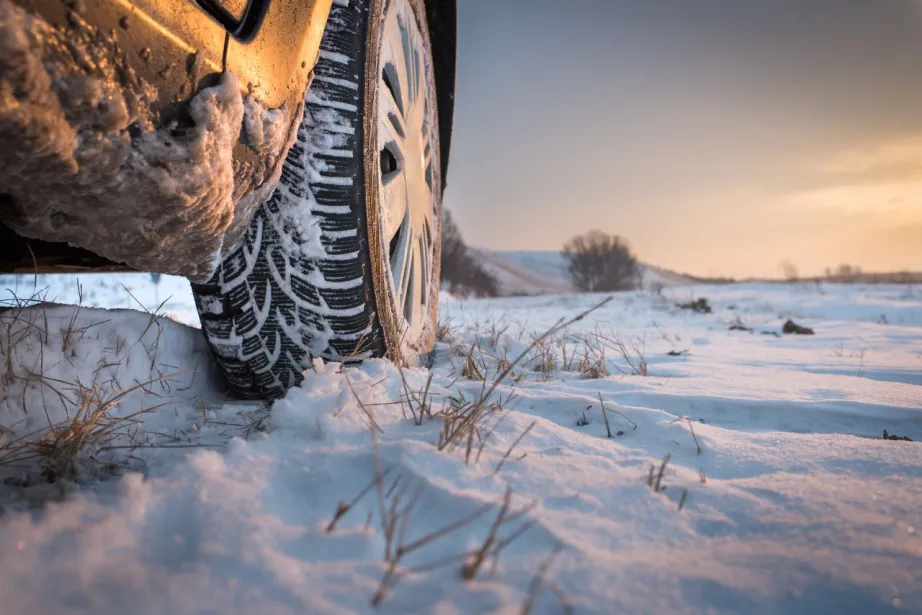
That range calls for layered prep. Keep extra water, sunscreen, rain ponchos, a windshield sunshade, and a compact blanket in the vehicle. In colder states, add an ice scraper, small shovel, hand warmers, and traction aid during winter months.
Weather also affects patience. Heat makes tempers shorter. Cold makes people stiff. Rain makes the driver work harder. Smart gear gives everyone a margin. That margin keeps small discomfort from becoming the story of the trip.
Food, Tech, and Daily Rhythm for Better Travel
Once the vehicle feels safe and organized, the trip still needs rhythm. Food, entertainment, navigation, and rest stops shape the emotional tone of the drive. Bad timing can make a short route feel endless. Good timing makes even a long route feel manageable.
Snacks and Drinks That Actually Work in a Car
Road food should be low-mess, easy to share, and gentle on the stomach. Nuts, granola bars, fruit slices, crackers, jerky, cheese sticks, and refillable water bottles work better than greasy meals grabbed in a rush. Heavy food makes passengers sleepy and drivers sluggish.
A small cooler helps families avoid overpriced convenience-store stops. It also keeps drinks cold during summer drives across states like Texas, Nevada, or California. Add napkins, wipes, and resealable bags so the snack system does not create a cleanup problem.
Coffee deserves restraint. It helps early, then it asks for payback through extra restroom stops and energy dips. Water should stay the main drink. A hydrated driver thinks clearer, reacts faster, and arrives less drained.
Tech Tools That Reduce Friction Without Taking Over
Navigation apps are useful, but they should not be the only plan. Download offline maps before leaving, especially for mountain routes, national parks, and rural highways. Signal gaps still exist, and they usually appear when the next turn matters.
Pack more charging capacity than you think you need. A multi-port car charger, power bank, spare cable, and phone mount make the drive safer and calmer. A phone sliding across the console while giving directions is not a small problem. It pulls attention at the wrong moment.
Entertainment should support the trip, not dominate it. Audiobooks, podcasts, playlists, and downloaded shows for passengers can help time pass without turning the cabin into a noisy mess. The driver’s focus remains the priority. Everyone else can adapt around that.
Building a Road Trip Routine That Keeps Energy Steady
Gear helps, but rhythm makes the miles feel human. The best trips have a quiet structure: drive, pause, stretch, refuel, reset. Without that rhythm, even a well-packed vehicle starts to feel cramped.
Rest Stops Are Part of the Plan, Not a Delay
Many drivers treat stops like failure. That mindset wears people down. A ten-minute break every couple of hours can protect focus, reduce stiffness, and keep passengers from turning restless. The road rewards drivers who know when to pause.
Choose stops with purpose. Fuel stations with clean restrooms, shaded parking, and safe walking areas beat random exits chosen at the last second. Families with kids should plan stops around parks, visitor centers, or larger travel plazas when possible.
Stretching also matters. Walk around the vehicle, roll your shoulders, loosen your hips, and reset your eyes by looking into the distance. Your body was not built to hold one seated position across three states. Treat it better and the drive improves.
How Drivers Can Protect Their Focus
Driver fatigue rarely arrives all at once. It creeps in through heavy eyelids, missed exits, stiff hands, and slower reactions. Music gets louder. Coffee gets stronger. The real answer is usually a break or a driver switch.
Keep the driver’s area clean and boring. The phone should stay mounted, drinks should sit securely, and loose items should stay away from pedals. Comfort matters, but the cockpit should never feel busy. A busy driver space invites mistakes.
Set expectations before the trip begins. Decide who controls music, when breaks happen, how snacks are handled, and when quiet time starts. Those small agreements prevent arguments later. Automotive travel essentials work best when they support a routine everyone understands.
Conclusion
A road trip should not feel like a test of endurance. The right preparation turns the vehicle into a place where people can breathe, move, eat, rest, and handle surprises without panic. That does not mean packing every gadget sold online. It means choosing tools that solve real problems before they steal the mood of the drive.
The smartest approach is simple: protect the driver’s focus, keep the cabin organized, secure loose items, plan for weather, and build breaks into the route. Automotive travel essentials are not about overpacking. They are about removing friction from the miles ahead.
Before your next long drive, walk through your vehicle with fresh eyes. Sit in every seat, open every storage area, check every charger, and ask what would annoy you after four hours on the road. Fix those problems before departure, and the trip changes before you even leave the driveway.
Pack with intention, drive with patience, and give the journey the respect it deserves.
Frequently Asked Questions
What are the most useful car travel essentials for long road trips?
Start with comfort, safety, and access. Carry chargers, water, snacks, a first-aid kit, flashlight, tire gauge, jumper cables, wipes, trash bags, and basic comfort items. The best gear solves common road problems without taking up too much space.
How should I organize my car before a family road trip?
Separate items by use. Keep luggage in the cargo area, snacks and wipes within reach, emergency tools secured, and entertainment near passengers. A seat-back organizer and trunk bin can prevent clutter from spreading through the cabin.
What safety items should every road trip vehicle have?
Every vehicle should carry a first-aid kit, flashlight, reflective triangles, jumper cables or a jump starter, tire inflator, pressure gauge, gloves, basic tools, and emergency contact information. These items help you respond faster when problems happen away from home.
How can I make a long car ride more comfortable?
Support your back and neck, keep the cabin clean, manage temperature, plan rest stops, and avoid overpacking the passenger area. Comfort comes from reducing small irritations before they build into fatigue, stiffness, or frustration.
What snacks are best for road adventures with kids?
Choose low-mess snacks like crackers, fruit slices, granola bars, cheese sticks, trail mix, and sandwiches cut into small portions. Avoid sticky, greasy, or crumbly foods when possible. Keep wipes and small trash bags nearby for quick cleanup.
How often should drivers stop during a long trip?
A break every two to three hours works well for most drivers. Use that time to walk, stretch, hydrate, and reset your eyes. Longer routes may need more frequent stops during bad weather, heavy traffic, or late-night driving.
What tech gear should I pack for a road trip?
Bring a phone mount, multi-port car charger, spare cables, power bank, downloaded maps, and offline entertainment. Tech should reduce stress, not distract the driver. Keep devices secure and avoid handling phones while the vehicle is moving.
How do I prepare my car for changing weather during travel?
Pack for the route, not only the starting point. Carry water, sunscreen, rain gear, blankets, and seasonal tools like an ice scraper or traction aid. Check tire pressure, wipers, lights, and fluids before leaving, especially before crossing state lines.