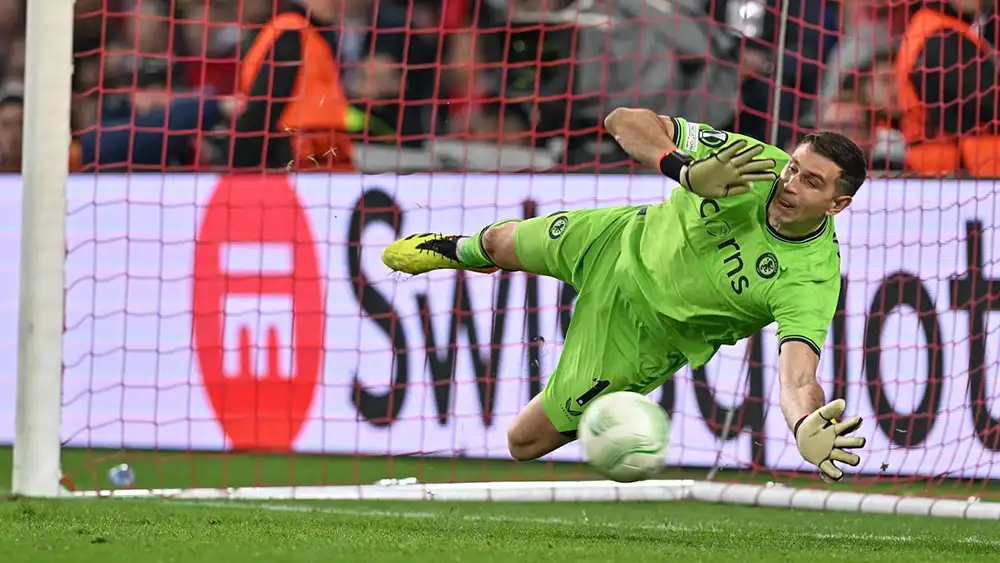
Weak goalkeeping skills often become more manageable once training separates positioning problems from reaction problems. A goalkeeper who starts in the wrong place may appear slow even with excellent reflexes. Better results come from improving starting position, reading the attack earlier, and then sharpening reactions through realistic saves rather than relying only on rapid-fire shooting drills.
Start With Position Before Reflexes
Positioning determines how much of the goal the goalkeeper needs to cover. Moving even a small distance toward the correct angle can turn a difficult full-stretch save into a controlled action.
The goalkeeper should adjust constantly as the ball moves. Standing still while passes travel across the pitch causes the body to arrive late when the shot finally comes.
Players reviewing broader goalkeeping and team topics can compare ideas, but positioning should always be tested against the actual ball, goal, and attacking angle on the training field.
Set Before the Shot Arrives
Being “set” means the goalkeeper is balanced and prepared to move in either direction. Feet that are too wide, crossed, or still moving at the moment of the shot can delay the first reaction.
Small adjustment steps are usually more useful than large last-second movements.
Train Reaction Speed With Real Information
Reaction drills should include visual information that resembles football. A goalkeeper reacts differently to a close-range deflection than to a clean strike from outside the box.
Instead of firing endless shots without context, use attackers, passing combinations, rebounds, or screens. Wider football training material can complement practice planning, while the drill itself should force the goalkeeper to read cues before responding.
| Goalkeeping Issue | What Happens | Training Focus |
|---|---|---|
| Poor angle | Too much goal is exposed | Move with ball position |
| Late set position | First step becomes slow | Balance before the strike |
| Guessing early | Keeper moves before shot | Read body and ball |
| Weak rebound control | Second chance appears | Direct saves away from danger |
Improve the First Movement
The first movement after the shot matters more than frantic speed. A goalkeeper who pushes efficiently from a balanced position can cover ground quickly without wasting steps.
Footwork exercises should therefore connect directly to saves. Move across the goal, set, react to a strike, recover, and prepare for the next action.
Broader goalkeeper tactical concepts may offer useful discussion points, but repetition should remain specific to the keeper’s positioning, movement, and decision-making.
Reaction training can also include unpredictable finishes. The goal is not to guess randomly but to stay prepared until enough information is available.
Use Recovery Saves Instead of Ending the Drill
Many goalkeeper exercises finish after the first shot. Matches often do not.
Add rebounds, second balls, or quick passes after the initial save. The goalkeeper must regain balance, locate the ball, and choose a new position immediately.
Recovery work improves both physical reactions and mental reset speed.
What Goalkeepers Commonly Misread
Fast reactions cannot compensate for consistently poor positioning. A dramatic diving save may look impressive, but sometimes the goalkeeper needed to dive only because the starting angle was wrong.
Another common mistake is trying to anticipate every shot. Reading the attack is useful; committing before the striker makes contact is different. Good goalkeepers gather clues from body shape, touch, available shooting angles, and nearby defenders while remaining balanced enough to respond if the finish changes.
Frequently Asked Questions
Can goalkeeper reaction speed be improved?
Yes. Reaction ability can be trained through exercises involving realistic visual cues, unpredictable shots, deflections, rebounds, and quick recovery movements. Positioning should be trained alongside it.
Why do I react late to close-range shots?
The problem may begin before the shot. Poor balance, excessive movement, blocked vision, or an incorrect starting position can reduce the time available to react.
Should goalkeepers train with tennis balls?
Small-ball drills can add variety and hand-eye coordination work, but they should not replace football-specific training with realistic ball flight, shooting angles, movement, and decision-making.
Make the Save Easier Before Making It Faster
Goalkeeping improvement starts before the ball is struck. Move with the attack, protect the correct angle, arrive balanced, and read the shooter’s information without committing too early. Then train reactions through realistic shots and second actions. A goalkeeper who combines better positioning with efficient first movement will often appear faster because fewer saves begin from a disadvantage.