Infiniti emerged as Nissan’s luxury performance division, challenging established premium brands with vehicles combining Japanese reliability with genuine driving excitement. The engines powering Infiniti vehicles represent some of Nissan’s finest engineering achievements, delivering smooth power delivery wrapped in sophisticated refinement. For owners facing engine replacement decisions, understanding Japanese market sourcing opens pathways to exceptional value and quality.
The Infiniti Engine Lineage
Infiniti’s engine development reflects Nissan’s commitment to combining performance with luxury refinement. From the original Q45’s powerful V8 to current turbocharged offerings, Infiniti engines have consistently delivered smooth, responsive power suitable for premium vehicles. This engineering heritage creates demand for quality replacement options that maintain intended vehicle character.
The VQ engine series established Infiniti’s performance credentials and earned inclusion on Ward’s prestigious Ten Best Engines list for fourteen consecutive years. This naturally aspirated V6 family demonstrated that refinement and performance need not be mutually exclusive. Smooth power delivery, willing revving character, and exceptional durability made VQ engines favorites among enthusiasts and luxury buyers alike.
Later developments brought forced induction to the Infiniti lineup. Turbocharged engines offered increased output while maintaining the smoothness expected in premium vehicles. These modern powerplants incorporate sophisticated technologies including direct injection, variable valve timing, and advanced engine management that maximize both performance and efficiency.
Advantages of Japanese-Sourced Infiniti Engines
The relationship between Infiniti and Nissan creates interesting sourcing opportunities. Many Infiniti vehicles have Japanese counterparts wearing Nissan badges, meaning compatible engines appear in both brands’ JDM channels. This expanded availability benefits buyers seeking specific engine variants or simply the best available condition.
Searching for used JDM Infiniti engines reveals units with mileage figures often dramatically lower than comparable domestic options. Japan’s vehicle inspection system encourages frequent vehicle replacement, meaning engines frequently enter the secondary market with only 40,000 to 60,000 kilometers of accumulated use. Combined with careful Japanese ownership patterns, these factors create opportunities rarely available domestically.
The Japanese market sometimes received engine variants differing from North American specifications. Different compression ratios, intake configurations, and calibrations distinguished JDM engines from export counterparts. Performance enthusiasts particularly value accessing these variations when seeking specific characteristics for their projects.
Popular Infiniti Engine Applications
G35 and G37 models popularized the VQ engine family among performance-oriented buyers. The VQ35DE and VQ37VHR powerplants delivered impressive naturally aspirated performance while maintaining the reliability Nissan engines historically demonstrate. These engines power both sedan and coupe variants, with substantial demand existing for quality replacement units.
The Q50 and Q60 brought turbocharged VR30DDTT engines to Infiniti’s sport sedan and coupe lineup. Twin-turbo configuration delivers substantial power while sophisticated engineering maintains smoothness appropriate for luxury vehicles. As these models age, replacement engine demand grows, making sourcing knowledge increasingly relevant.
FX and QX crossover models utilized various engine configurations depending on model year and specification level. V6 and V8 options offered different character suited to varying owner preferences. Understanding which engines fit specific applications helps buyers navigate available options effectively.
M-series sedans represented Infiniti’s flagship performance, utilizing engines reflecting this status. Both V6 and V8 variants delivered smooth, substantial power appropriate for executive transportation with sporting aspirations. Quality replacement options help preserve these vehicles’ intended character.
Assessing Engine Condition
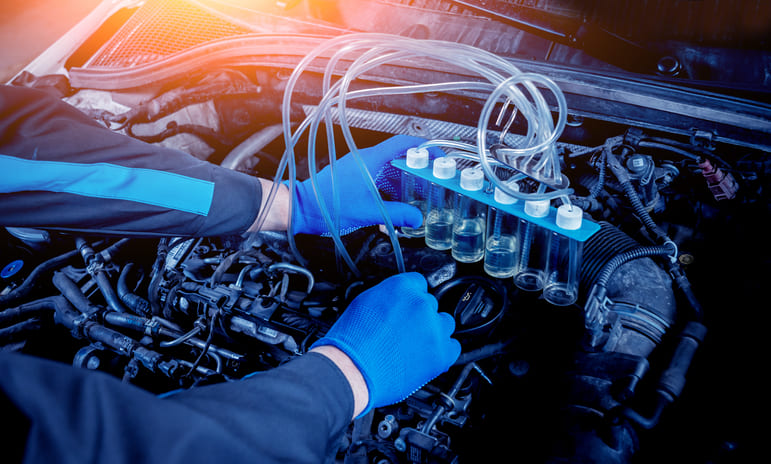
Evaluating used engine quality requires systematic attention to multiple indicators. Compression testing reveals cylinder sealing integrity and suggests ring and valve condition. Healthy engines produce readings within manufacturer specifications with minimal variation between cylinders. Significant deviations indicate potential problems warranting further investigation.
Leak-down testing provides complementary information about where any compression losses occur. This diagnostic procedure identifies whether issues exist with rings, valves, or head gaskets. Combined with compression data, leak-down results create comprehensive pictures of mechanical condition.
External appearance suggests maintenance history and ownership care. Oil leaks, coolant residue, and general cleanliness indicate how previous owners maintained their vehicles. While appearance alone doesn’t guarantee internal condition, it provides useful context for evaluating specific engines.
Documentation supporting claimed mileage and history adds confidence to purchasing decisions. Japanese auction records, export paperwork, and other verification help confirm that low-mileage claims reflect actual usage rather than odometer manipulation.
Compatibility Considerations
Infiniti engine replacement requires attention to compatibility factors that ensure successful installation. Model year changes sometimes brought significant revisions affecting interchangeability. Understanding these differences prevents costly mistakes in parts selection.
Electronic systems present particular considerations for modern Infiniti engines. Engine control modules, sensor specifications, and wiring configurations must match between engine and vehicle. Incompatibilities cause operational problems ranging from warning lights to complete functional failure.
Transmission pairing affects engine selection in some applications. Different engine variants may have utilized different bellhousing patterns or accessory drive configurations. Ensuring drivetrain compatibility prevents installation complications and subsequent problems.
Emissions equipment configurations vary between markets and model years. Japanese engines may lack specific emissions components required for North American compliance. Understanding these differences helps buyers anticipate any modifications needed for legal operation.
The Economics of JDM Engine Sourcing
Engine replacement represents major expense regardless of sourcing approach. Understanding cost factors helps owners make informed decisions appropriate for their specific circumstances.
New engines from dealers command premium prices reflecting manufacturing costs and brand positioning. This option suits owners prioritizing absolute assurance, particularly for newer vehicles where maintaining warranty coverage matters. However, costs often exceed practical justification for older vehicles.
Remanufactured engines offer intermediate pricing with quality varying by rebuilder standards. Reputable rebuilders restore engines to excellent condition, while less careful operations may produce units with limited additional service life. Evaluating rebuilder reputation helps predict outcomes.
JDM engines frequently deliver the best value proposition for many applications. Low mileage, careful previous ownership, and Nissan’s inherent reliability combine to create options offering excellent condition at significantly lower prices than alternatives. For vehicles outside warranty considerations, this approach often makes the most sense.
Finding Reliable Suppliers
The JDM engine market includes vendors with varying commitment to quality and customer satisfaction. Identifying trustworthy suppliers protects buyers from problematic transactions and disappointing outcomes.
Established importers with verifiable track records deserve preference over unknown sellers. Physical business locations, years of operation, and positive customer feedback all indicate businesses likely to provide satisfactory experiences. Online research helps distinguish reputable vendors from questionable operations.
Quality suppliers conduct thorough evaluations and provide meaningful information about their inventory. Compression test results, detailed photographs, and mileage documentation help buyers assess specific engines. Vendors offering this transparency demonstrate professionalism extending to other business practices.
Warranty coverage indicates supplier confidence in inventory quality. While used parts carry inherent uncertainty, reputable vendors stand behind their products with meaningful terms protecting buyers against defective units. Comparing warranty offerings helps identify confident suppliers versus those merely moving inventory.
Installation Best Practices
Professional installation typically produces optimal outcomes for engine replacement projects. Experienced Infiniti specialists understand model-specific nuances affecting installation success. Their familiarity with common challenges helps avoid problems that might frustrate less experienced technicians.
Fluid specifications deserve careful attention during installation. Infiniti specifies particular oils engineered for specific engine requirements. Using incorrect fluids compromises protection and potentially causes problems. Following manufacturer recommendations protects investments in quality parts.
Supporting maintenance during installation makes practical sense. Timing chain inspection, coolant system service, and accessory drive component renewal represent worthwhile considerations. Addressing these items prevents future failures and additional labor expenses.
Proper break-in procedures maximize engine longevity after installation. Even low-mileage JDM engines benefit from careful initial operation allowing components to establish optimal wear patterns. Following recommended break-in protocols protects parts investments.
Future Outlook
The JDM Infiniti engine market continues evolving as vehicles age and newer models become potential sourcing candidates. Growing awareness of Japanese sourcing advantages sustains demand while supply remains strong thanks to Japan’s vehicle replacement patterns.
Digital connectivity has transformed how buyers access JDM parts. Online marketplaces and specialized importers make locating specific engines easier than ever. This accessibility benefits enthusiasts regardless of location, democratizing access to quality Japanese components.
Infiniti owners seeking quality engine replacements have excellent options available through informed JDM sourcing. Understanding the market, evaluating specific components carefully, and selecting reputable suppliers leads to successful outcomes preserving the refined performance these vehicles were engineered to deliver.