How Many Types of Concrete Plants Are There?

Concrete plants are generally divided into four major categories, each based on how the concrete is mixed, moved, and used on site. These categories cover mixing methods, mobility, application type, and specialised production systems. Each category also includes multiple subtypes. These include compact plants, on-site batching systems, belt conveyor layouts, and bucket-type configurations designed to meet different construction demands. Understanding these plant types helps contractors and project managers see how Ready Mix Concrete is produced and delivered. In this way, they ensure the final product suits the specific needs of each project.

What is a Concrete Plant?

A concrete plant, also called a batching plant or batch plant, is an industrial facility that combines various ingredients to produce concrete. These facilities range from small portable units serving individual projects to massive permanent installations supplying entire regions.

Core functions of a concrete plant include:

  • Storing raw materials in controlled conditions
  • Measuring precise quantities of each ingredient
  • Mixing components to specified proportions
  • Loading finished concrete for delivery
  • Maintaining quality control throughout production

Modern plants incorporate advanced automation that monitors temperature, humidity, and material moisture content. These systems automatically adjust mix proportions to compensate for environmental variations, ensuring consistent results regardless of weather conditions.

Why Concrete Plant Types Matter for Projects

The type of plant producing your concrete directly affects quality, consistency, and delivery logistics.

Plant CharacteristicImpact on Your Project
Mixing methodDetermines concrete freshness and consistency upon arrival
Plant locationAffects delivery time and workability window
Production capacityInfluences availability for large-volume pours
SpecialisationDetermines whether custom mixes are available
Quality systemsImpacts strength, reliability, and testing documentation

Types of Concrete Plants by Mixing Method

The fundamental distinction between concrete plants lies in where and how the mixing process occurs. This single factor influences everything from concrete quality to delivery flexibility.

Dry Mix (Transit Mix) Concrete Plants

Dry mix plants load unmixed or partially mixed materials into truck mixers for combination during transport.

How dry mix plants work:

  • Aggregate and cement are weighed and batched at the plant
  • Materials are loaded into the truck mixer drum
  • Water is added at the plant or during transit
  • Full mixing occurs in the rotating drum during delivery
  • Driver controls final consistency adjustments

Advantages of dry mix plants:

  • Lower initial plant investment requirements
  • Longer delivery distances are possible
  • Flexibility in final mix adjustments at the site
  • Reduced plant maintenance requirements
  • Better suited for variable demand patterns

Wet Mix (Central Mix) Concrete Plants

Wet mix plants complete all mixing in stationary mixers at the facility before loading into delivery trucks.

How wet mix plants work:

  • All ingredients are weighed and transferred to the central mixer
  • Thorough mixing occurs in a high-efficiency plant mixer
  • Fully mixed concrete is loaded into the truck
  • The truck drum maintains agitation during transport
  • Concrete arrives ready for immediate placement

Advantages of wet mix plants:

  • Superior mixing consistency and uniformity
  • Better quality control and testing capability
  • Higher production speeds are possible
  • More uniform slump and workability
  • Ideal for high-strength and speciality mixes

Pros and Cons of Dry vs Wet Mix Plants

Choosing between plant types involves balancing multiple factors against project requirements.

FactorDry Mix PlantsWet Mix Plants
Mix consistencyGoodExcellent
Delivery distanceLonger possibleShorter optimal
Production speedModerateHigher
Capital investmentLowerHigher
Quality controlDriver-dependentPlant-controlled
Speciality mixesLimitedWell-suited
FlexibilityHigherLower

Did you know? 

Central mix plants can achieve mixing times of just 30-60 seconds per batch, while transit mixing requires 70-100 drum revolutions at mixing speed, typically taking 5-10 minutes.

Types of Concrete Plants by Mobility

Beyond the mixing method, plants differ significantly in their permanence and portability. The mobility classification addresses practical considerations about plant location, project duration, and production economics.

Stationary Concrete Batching Plants

Stationary plants represent permanent installations designed for long-term operation at fixed locations. These facilities serve as the backbone of ready-mix concrete supply in developed areas.

Characteristics of stationary plants:

  • Concrete foundations and permanent structures
  • Higher production capacities (60-300+ m³/hour)
  • Advanced automation and control systems
  • Comprehensive quality testing laboratories
  • Multiple storage silos for various materials
  • Environmental controls for dust and noise

Mobile / Portable Concrete Batching Plants

Mobile plants offer flexibility by relocating between project sites as construction progresses.

Key features of mobile plants:

  • Trailer-mounted or quickly assembled components
  • Production capacities typically 30-120 m³/hour
  • Self-contained operation with minimal site preparation
  • Rapid deployment and demobilisation
  • Lower transport and setup requirements

Ideal applications for mobile plants:

  • Highway and infrastructure projects
  • Remote construction sites
  • Temporary high-demand locations
  • Projects exceeding economic delivery distance
  • Military and emergency construction

Compact and On-Site Batching Plants

Compact plants bridge the gap between mobile units and full-scale stationary facilities. These systems suit medium-term projects requiring dedicated production.

FeatureCompact PlantsOn-Site Batching
FootprintSmall, suits constrained sitesRequires space allocation
Setup timeHours to daysDays to weeks
Best forMedium-term projectsLarge continuous pours
UtilitiesBasic requirementsWater and power are needed
PermitsMay require approvalOften requires permissions

Did you know? 

Some compact batching plants can be operational within 24 hours of arriving on site, compared to weeks or months for permanent installations.

Types of Concrete Plants by Application and Product

Different construction applications demand specialised plant configurations optimised for specific concrete products.

Ready-Mix Concrete Plants

Ready-mix plants produce fresh concrete for immediate delivery and placement at construction sites. These facilities represent the most common plant type serving general construction markets.

Ready-mix plant characteristics:

  • Designed for continuous production and truck loading
  • Multiple mix designs available simultaneously
  • Emphasis on delivery logistics and fleet management
  • Quality systems focused on consistency and documentation
  • Customer service orientation with technical support

When projects require efficient placement, contractors often hire concrete pump services alongside ready-mix delivery to ensure optimal results.

Precast Concrete Plants

Precast facilities manufacture concrete products in controlled factory conditions for later installation.

Products from precast plants include:

  • Structural beams and columns
  • Wall panels and cladding
  • Floor slabs and hollow core units
  • Pipes and drainage components
  • Architectural elements and decorative pieces
  • Bridge sections and infrastructure components
Precast Plant FeaturePurpose
Moulds and formsCreate specific product shapes
Curing chambersControl temperature for strength
Overhead cranesHandle heavy finished products
Stiff mix capabilityProduce immediate demould products
Dimensional QCEnsure installation fit

Paving / Road Concrete Plants

Paving plants specialise in producing concrete for road construction and surface applications. These facilities often operate as mobile units, relocating as construction progresses.

Paving plant characteristics:

  • High-capacity production for continuous paving
  • Stiff mix capability for slipform operations
  • Belt or bucket systems for consistent output
  • Integration with paving train logistics
  • Specialised admixture systems for workability

Specialised Plants (RCC, High-Capacity, Custom Industrial Systems)

Beyond standard categories, specialised plants serve unique construction requirements.

Roller Compacted Concrete (RCC) plants:

  • Very dry, stiff mixes for dam construction
  • High-volume production capacity
  • Continuous mixing systems
  • Specialised conveyor delivery systems

High-capacity plants:

  • Production rates exceeding 300 m³/hour
  • Multiple mixing units operating simultaneously
  • Automated truck loading sequences
  • Advanced material handling systems

Pro Tip: 

For major infrastructure projects requiring specialised concrete types, verify your supplier’s plant capabilities before specification.

Key Components and Working of Different Plant Types

Understanding plant components helps appreciate how different configurations achieve their production goals. Every concrete plant incorporates essential elements, though configurations vary based on plant type.

ComponentFunctionVariations
Aggregate binsStore different aggregate sizesInline, star, or radial arrangements
Cement silosStore cement and cementitious materialsSingle or multiple capacities
ConveyorsTransport materials to the mixerBelt, bucket, or skip systems
Weighing systemsMeasure precise quantitiesCumulative or individual scales
MixersCombine ingredientsDrum, pan, twin-shaft, or planetary
Control systemsAutomate productionManual, semi-auto, or fully automated
Water systemsSupply and meter waterTanks, chillers, heaters

How Dry Mix Plants Operate Step by Step

Dry mix plant operation follows a logical sequence from material storage to truck loading.

Step-by-step dry mix process:

  • Step 1: Aggregates transfer from bins to the weighing hopper
  • Step 2: Cement dispenses from the silo into the weighing system
  • Step 3: The control system verifies quantities match the design
  • Step 4: Weighed aggregates are discharged into the truck mixer
  • Step 5: Cement is added to the truck from the weigh hopper
  • Step 6: Water meters into the truck to the specified quantity
  • Step 7: The driver begins drum rotation for mixing
  • Step 8: Admixtures are added at the plant or on-site

The concrete truck mixer drum typically rotates at 6-18 rpm during mixing, reducing to 2-6 rpm for agitation during transport.

How Wet Mix and Central Mix Plants Operate Step by Step

Central mix operations complete mixing before truck loading, concentrating quality control at the production facility.

Step-by-step wet mix process:

  • Step 1: Aggregates are weighed and transferred to the central mixer
  • Step 2: Cement is weighed and added to the mixer
  • Step 3: Water and admixtures are added in a controlled sequence
  • Step 4: High-speed mixing begins (30-60 seconds)
  • Step 5: Control system monitors mixing time and power
  • Step 6: Fully mixed concrete discharges to the truck
  • Step 7: The truck drum rotates slowly for agitation only
  • Step 8: Quality testing confirms properties before dispatch

Takeaway 

Understanding these plant types matters because the production method directly affects concrete quality, consistency, and delivery logistics. Central mix plants typically produce more uniform concrete, while transit mix plants offer greater delivery flexibility. Matching plant type to project requirements ensures optimal results while avoiding potential quality or scheduling problems.

Pro Mix Concrete operates with over 20 years of experience in the concrete and pumping industry, delivering quality Ready Mix Concrete throughout London and surrounding areas from their network of local plants. Their comprehensive services include Ready Mix Concrete delivery, Mix On Site Concrete for flexible on-location batching, and Concrete Pump Hire for efficient placement in restricted access areas. Their same-day and next-day delivery keeps projects moving without delays. This focus on quality builds trust over time, which is why customers continue to choose Pro Mix Concrete for dependable performance on every project.

FAQs

What are the basic classifications of concrete batching plants?

Concrete batching plants are basically classified by mixing method into dry mix and wet mix plants, and by mobility into stationary and mobile plants. These fundamental categories determine production capabilities and project suitability.

What types of ready-mix concrete plants are used in practice?

Ready-mix concrete plants are usually divided into transit (dry) mix, central (wet) mix, and shrink-mix plants, each differing in where and how the concrete is fully mixed. Transit mix completes mixing in the truck, while central mix finishes at the plant.

Are there more detailed subtypes beyond the main concrete plant categories?

Yes, manufacturers describe many subtypes such as compact plants, on-site plants, belt-conveyor and bucket-type plants, and specialised precast or high-capacity plants under the main categories. These variations optimise for specific applications and site conditions.

What is the difference between dry mix and wet mix concrete plants?

Dry mix plants load dry ingredients into the truck, where mixing is completed in transit, while wet mix plants fully mix the concrete in a central mixer before loading it for delivery. Wet mix generally produces more consistent results, while dry mix offers greater delivery flexibility.

How do stationary and mobile concrete plants differ?

Stationary plants are fixed installations designed for long-term, high-volume production, whereas mobile plants are portable batching systems that can be moved between sites for temporary or project-based use. Stationary plants typically offer higher capacity and more speciality options.
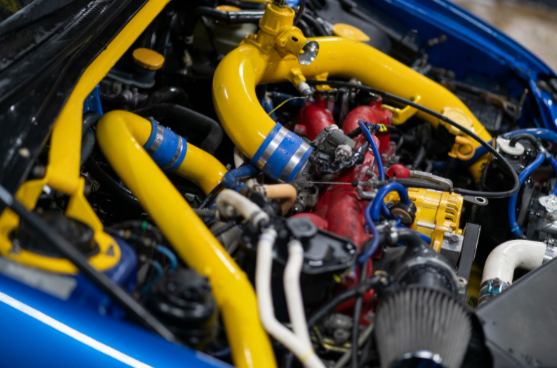

Navigating Nissan Engine Replacement: A Comprehensive Resource

Nissan has produced some of the automotive world’s most celebrated engines, from the legendary RB series powering Skyline GT-Rs to the robust VQ V6 found in countless sedans and SUVs. Despite Nissan’s engineering excellence, engines eventually require replacement due to wear, damage, or modifications. Understanding engine replacement options, particularly the advantages of Japanese Domestic Market alternatives, helps Nissan owners restore their vehicles to peak performance while managing costs effectively.

Nissan Engine Reputation and Common Issues

Nissan’s engine lineup spans from efficient four-cylinder powerplants to high-performance turbocharged units, each with distinct characteristics and potential issues. The VQ series V6 engines, used extensively across Nissan’s lineup, offer excellent power and reliability but can develop timing chain issues in higher-mileage examples. The distinctive VQ growl comes from sophisticated intake design, but this complexity creates potential points of failure requiring careful maintenance.

The QR series four-cylinder engines provide efficient performance in compact and mid-size vehicles. These engines generally prove reliable with proper maintenance, though some model years experienced issues with pre-catalytic converter failure causing cylinder damage. Regular oil changes and quality fuel help prevent carbon buildup that can affect variable valve timing systems and reduce engine efficiency over time.

Nissan’s turbocharged engines, including the SR20DET and more recent VR30DDTT, offer impressive performance but require diligent maintenance and careful operation. Turbochargers generate extreme heat and stress, making proper oil selection, cooling system maintenance, and gentle warm-up and cool-down procedures essential for longevity. Modified turbocharged engines face accelerated wear, particularly when boost pressure increases without corresponding upgrades to supporting systems.

When Engine Replacement Makes Sense

Determining whether to repair or replace an engine requires honest assessment of damage extent, repair costs, and vehicle value. Minor issues like head gasket failure, oil leaks, or sensor problems typically warrant repair rather than replacement. However, catastrophic failures involving internal damage, cracked blocks, or severely scored cylinders usually make replacement more economical than extensive repairs requiring complete engine disassembly.

Calculating total ownership costs helps frame replacement decisions. An engine replacement might seem expensive initially, but when compared against years of continued use from a reliable vehicle with known history, the investment often proves sound. New vehicle purchases involve significant depreciation, financing costs, higher insurance premiums, and unknown reliability, making engine replacement attractive for many situations.

Enthusiast vehicle owners face different considerations when evaluating engine replacement. Classic Nissan models, performance variants, or vehicles with sentimental value justify replacement investments that might not make pure economic sense. The relatively simple mechanical design of older Nissan engines makes them excellent candidates for replacement or upgrade, as modern engine management systems often complicate contemporary engine swaps.

Advantages of Japanese Domestic Market Engines

Japan’s unique automotive culture creates exceptional opportunities for Nissan owners seeking replacement engines. The country’s stringent vehicle inspection requirements, known as shaken, escalate dramatically as vehicles age, encouraging owners to replace rather than maintain older vehicles. This practice results in low-mileage engines from well-maintained vehicles entering the export market, providing excellent alternatives to domestic salvage yard options.

The ability to buy JDM Nissan engine online has revolutionized engine replacement by providing access to quality components that previously required international connections. Online suppliers specializing in JDM engines offer detailed specifications, compression test results, and photographs allowing informed purchasing decisions. This transparency contrasts sharply with traditional salvage yards where engines often lack documentation regarding mileage, condition, or operational history.

Japanese engines benefit from superior operating conditions compared to typical North American use. Japan’s excellent road infrastructure, moderate climate in most regions, and comprehensive public transportation reducing daily commute stress all contribute to extended engine life. Japanese fuel quality consistently meets high standards, preventing carbon buildup and injector fouling that plague engines operated on lower-quality fuel. The cultural emphasis on preventive maintenance means most Japanese vehicles receive regular service, preserving engine health throughout ownership.

Evaluating Online Engine Suppliers

Selecting reputable online suppliers requires research and due diligence. Established companies with years of operation and positive customer reviews provide confidence in product quality and customer service. Comprehensive warranties covering specific periods and mileage demonstrate supplier confidence in their products. Transparent policies regarding returns, exchanges, and problem resolution indicate customer-focused business practices.

Documentation separates professional suppliers from questionable operations. Detailed engine specifications including mileage, compression test results, and exterior condition photos enable informed decisions. Some suppliers provide video footage of engines running, offering additional assurance about operational condition. Complete contact information, physical addresses, and responsive customer service indicate legitimate operations committed to customer satisfaction.

Pricing represents another evaluation factor, though lowest price rarely indicates best value. Extremely low prices may signal undisclosed issues, poor storage conditions, or inadequate testing. Reasonable pricing reflecting actual engine condition and market value suggests honest business practices. Including core charges, shipping costs, and any additional fees in total price calculations prevents unexpected expenses during the purchasing process.

Technical Considerations for Engine Replacement

Successful engine replacement requires attention to compatibility, preparation, and installation details. Nissan frequently uses similar engines across multiple models and years, but variations in electronics, accessories, and emissions equipment create potential compatibility issues. Verifying engine codes, checking wiring harness compatibility, and confirming that all necessary sensors and components are included prevents installation complications and additional expenses.

Professional installation by technicians experienced with Nissan vehicles ensures proper procedures, torque specifications, and electronic integration. Modern Nissan engines incorporate sophisticated variable valve timing, direct injection, and integrated engine management requiring proper calibration and programming. Attempting engine replacement without adequate knowledge, equipment, and diagnostic capabilities risks improper installation, poor performance, or electronic malfunctions requiring expensive troubleshooting.

Supporting component replacement during engine installation maximizes investment value and prevents premature failure. Timing belts or chains, water pumps, thermostats, hoses, and gaskets represent relatively minor expenses during engine replacement but prevent future failures requiring additional labor. Engine mounts, transmission mounts, and accessory brackets should be inspected and replaced as needed. Fresh fluids meeting Nissan specifications, including proper oil weight and coolant type, ensure optimal performance and protection.

Shipping and Receiving Considerations

Understanding shipping logistics helps prevent damage and manage expectations regarding delivery timing. Engines typically ship on pallets via freight carriers, requiring delivery to locations with appropriate unloading equipment. Residential delivery may involve additional charges or require arrangements for liftgate service. Clearly communicating delivery requirements and confirming that receiving facilities can accommodate freight deliveries prevents delays and complications.

Inspecting engines immediately upon delivery while freight carriers are present allows documentation of any shipping damage. Photographs of packaging condition, pallet integrity, and visible engine damage provide evidence for insurance claims or supplier disputes. Most reputable suppliers package engines carefully with protective covering, secure mounting, and moisture barriers, but shipping damage occasionally occurs despite best efforts.

Proper engine storage before installation prevents deterioration and contamination. Keeping engines covered, dry, and protected from temperature extremes maintains condition until installation. Rotating the engine periodically prevents bearing surfaces from developing flat spots. Storing engines indoors in climate-controlled environments provides optimal protection, though covered outdoor storage with moisture protection suffices for short periods.

Post-Installation Break-In and Maintenance

Appropriate break-in procedures help replacement engines achieve maximum performance and longevity. Avoiding full-throttle acceleration, sustained high-speed operation, and excessive idling during the first 500 to 1,000 miles promotes proper ring seating and component mating. Varying engine speeds and loads, while avoiding sustained operation at constant RPMs, helps components develop proper wear patterns. Early oil changes remove initial wear particles and manufacturing residues that can cause premature damage.

Establishing comprehensive maintenance schedules protects the investment in engine replacement. Following Nissan’s recommended service intervals for oil changes, filter replacement, and cooling system maintenance prevents premature wear and expensive repairs. Using quality fluids and filters meeting Nissan specifications ensures proper protection and performance. Synthetic oils offer superior protection under extreme conditions, particularly for turbocharged engines generating high heat and stress.

Monitoring engine performance helps identify developing problems before serious damage occurs. Unusual noises, changes in oil consumption, coolant loss, or performance degradation warrant immediate investigation. Modern diagnostic equipment can detect sensor anomalies and developing issues before physical symptoms appear. Addressing minor problems promptly prevents cascade failures that destroy replacement engines just as thoroughly as original units.

Engine replacement represents significant investment in vehicle longevity, particularly for reliable platforms like Nissan. Understanding available options, selecting quality suppliers, and maintaining engines properly ensures years of continued service, making replacement a sound decision for extending vehicle life and preserving the driving experience that made owners choose Nissan originally.

How A Houston Tankless Water Heater Can Lower Energy Costs

Houston households are now more aware of how much energy their home systems use due to rising energy expenses. The water heating system is one area that is often overlooked. Conventional tank-style water heaters may subtly increase monthly energy rates by continually heating and reheating stored water. A more effective strategy that fits Houston’s climate and use patterns is to switch to a tankless water heater, which will eventually help homes save money on energy costs.

Comprehending Houston Tankless Water Heater Remedies

When compared to traditional systems, Houston homeowners choose tankless water heater Houston significantly differently. It simply warms water when it’s required, as opposed to keeping hot water in a tank. Cold water passes past strong heating elements in a faucet or appliance when it is switched on, immediately warming it. Standby energy loss, which happens when a conventional heater continuously reheats water in a tank even when no one is using it, is eliminated by this on-demand method.

Due to big families, frequent laundry, and numerous showers, Houston houses often consume a lot of water. On-demand heating makes sure that energy is utilized only when necessary. Monthly utility bills show this efficiency, particularly for those who use hot water all day long.

Reducing Standby Power Loss

Standby heat loss is one of the main causes of high energy costs associated with conventional water heaters. Regardless of whether somebody is home or not, a tank system has to maintain a significant amount of hot water all the time. The mechanism must continually cycle because heat progressively escapes through the tank walls.

Tankless systems completely circumvent this problem. When the system is not in use, no heat is lost since there is no water stored. This may result in significant monthly energy savings for Houston residents who travel often or spend time away from home for business.

Higher Efficiency Scores

Compared to conventional tank versions, tankless water heaters may achieve greater energy efficiency ratings because of their sophisticated technological design. Almost all of the energy used by many units is simply converted into heating water. Traditional systems, on the other hand, waste energy in order to regulate the temperature of the water.

Another factor is the warm entering groundwater temperature in Houston. Tankless heaters use less energy to bring the water to a comfortable level since the water entering the system is not too cold. This geographic advantage lowers operational costs and improves efficiency even further.

Decreased Waste Of Hot Water

Hot water often runs out during periods of high demand in homes using tank water heaters. Residents often waste water and energy by leaving the faucet running while they wait for the tank to reheat. The constant supply of hot water offered by tankless systems lessens the temptation to consume excessive amounts of water as you wait for it to warm up.

This more restrained use eventually results in cheaper utility costs and a reduced environmental impact. This feature is particularly enticing for Houston homeowners who value economy without compromising comfort.

Reduced Long-Term Operating Expenses

Tankless water heaters are often more expensive up front, but they frequently pay for themselves over time. Tankless units often last longer than conventional types, and lower energy use leads to lower monthly expenditures. In contrast to tank heaters, which have a limited lifetime, many systems may function well for 20 years or more with the right maintenance.

Over the system’s lifespan, Houston residents may benefit from steady savings due to fewer replacements and maintenance. Tankless water heaters are often the most cost-effective option when considering the total cost of ownership.

Intelligent Functions And Control Over Usage

Smart technology is a common feature of contemporary tankless water heaters, enabling users to monitor energy consumption and modify settings. Certain systems may be configured to minimize output during periods of low demand or to maximize performance during periods of high use.

Residents in Houston may actively control their energy use thanks to these features. Wasteful energy consumption is reduced by adjusting hot water use to real household demands.

A Realistic Option For Houses Concerned About Energy

Houston’s growing focus on energy saving has led to an increasing number of people choosing tankless water heaters. Their capacity to reduce standby energy loss, boost efficiency, and encourage prudent water use fits in well with the demands of contemporary homes.

Upgrading to a tankless water heater is a sensible and forward-thinking option for homeowners who want to lower their monthly energy costs without sacrificing the availability of hot water. For many Houston homes, this system is a wise investment over time due to its increased lifetime, reduced energy expenditures, and enhanced performance. 

Hiring a Commercial Fence Company vs DIY: Which Is Better?

Putting up a fence around a commercial property is not a small task. It affects security, looks, safety, and even legal compliance. When the time comes, most owners face the same question: should they hire a commercial fence company or do it themselves?

Both routes can be chosen. However, the outcome will not be the same. Various factors, such as budget, time, skills, and future plan, have a say in the choice made between DIY and hiring a fence company in Oklahoma City. Speed and certainty are some of the things that a few people give high priority to. Others like to do something and thus cut the costs of the labor done.

What Is a Commercial Fence Company?

The commercial fencing industry refers to a company that provides recommendations, security, and installation of fences for business premises, such as offices, warehouses, retailers, schools, and other commercial sites. Their job traditionally starts with a visit to the location. They examine the property, talk to you about your requirements, advise on the types of materials, and create a layout that complies with both your objectives and the local regulations.

What Is DIY Fencing?

The do-it-yourself (DIY) option for your fencing project means that you take charge of everything. You purchase the fencing materials, dig the holes for the fence posts, set them in the ground, and finally, install the fence. Some homeowners opt for this solution to cut down the labor costs. Some others are eager to work with their hands, or they are already skilled in construction.

Key Comparison Factors Between Hiring a Commercial Fence Company and DIY

Here’s a closer look at how both options compare in real-world conditions.

1. Installation Quality

  • Commercial Fence Company: Every day, professionals carry out these tasks. They have the knowledge of the exact depth for posts, how to maintain straight lines, and how to secure everything so that it lasts a long time. Generally, the result is clean and sturdy-looking. However, the most important thing is that it endures through all the elements, traffic, and daily household activities.
  • DIY Fencing: The quality of the fence is directly proportional to the skill level of the person doing it. Just a small mistake in spacing or leveling can ruin the entire fence. You may not see the problem immediately, but eventually, it can result in leaning posts, loose panels, or even breakage.

2. Time Required

  • Commercial Fence Company: A skilled crew is capable of working very quickly. What may take you weeks would, in fact, take them a couple of days. They know the steps already, plus they have the right tools ready. This is of utmost importance when your business cannot afford long interruptions.
  • DIY Fencing: DIY takes a lot of time, no matter what. You are gaining experience while doing it. You might have to stop and start again. Weather conditions, work commitments, and tiredness can further slow down the process. One delay can push the entire project back.

3. Cost Differences

  • Commercial Fence Company:
    The upfront cost is more. You are paying for the labor, materials, equipment, and experience. However, you also get rid of many hidden costs. There is a smaller chance of making mistakes, and repairs in the future are often done for free if it is under warranty.
  • DIY Fencing:
    On paper, DIY looks cheaper. You only pay for the materials. However, tools, equipment rentals, and replacement materials accumulate quickly. Therefore, if you miscut or misplace something, you might have to buy it twice.

4. Safety Concerns

  • Commercial Fence Company:
    The professionals are trained to handle heavy tools and materials safely. They are guided by safety procedures and have insurance coverage. If an accident occurs, liability is most of the time covered.
  • DIY Fencing:
    The use of power tools, deep post holes, and heavy fence panels can be risky. The untrained person has a higher chance of getting injured. A single accident can not only stop the project but also cause medical or legal issues.

5. Permits and Regulations

  • Commercial Fence Company:
    The tasks of digging, lifting, and assembling can be very tiring. If the property is large, the physical effort becomes very substantial very fast. Additionally, tiredness leads to more mistakes and accidental injuries.
  • DIY Fencing:
    You will have to get permits and do the research by yourself. Not following just one regulation may bring fines or even the removal of the fence as a punishment. This mistake is a very expensive one for a business owner indeed.

6. Physical Demands

  • Commercial Fence Company:
    Installation of a fence is a very demanding job, and the crews are the ones built for it. The crews have not just the strength and stamina needed but also the right tools to take up large projects of commercial scale easily without getting tired or slowed down.
  • DIY Fencing:
    The tasks of digging, lifting, and assembling can be very tiring. If the property is large, the physical effort becomes very substantial very fast. Additionally, tiredness leads to more mistakes and accidental injuries.

Which Option Is Better?

In case you are looking for a speedy, reliable, legally protected, and high-quality outcome, the way to go is the commercial fence company hiring to be the safest choice. It is more expensive at the beginning, but it is usually a good long-term investment in terms of money and stress.

If you are very low-budget, the area for fencing is small, and you have some prior experience with doing it, then DIY can be the option for you. Moreover, it can fit the requirements of homeowners fond of physical activities and having the luxury of time. 

Conclusion

In the case of most commercial properties, professional installation is the wiser decision from the investment point of view. But if you are really prepared, skillful, and willing to take care of every single detail, the option of a DIY fence can still be there. Whether you choose DIY or a professional fence company in Oklahoma City, a well-placed fence turns your property into a safe haven with an increase in value that lasts. It all comes down to the right choice that fits both your resources and your comfort level.

Modern Acrylic Standees That Look Stunning Anywhere

Some displays look perfect in one place but feel out of place everywhere else. You move them from a shelf to a desk, and the magic disappears. This is where modern acrylic standees make a difference. Their clean design and simple elegance allow them to look stunning anywhere. No matter the space, they adapt effortlessly and elevate everything placed on them.

The Charm of Modern Simplicity

Modern design is all about simplicity. Acrylic standees reflect this perfectly. Smooth surfaces. Sharp edges. Clear lines. Nothing feels heavy or distracting. This simplicity creates a calm and stylish presence. It lets your items speak while adding a quiet touch of sophistication. Modern acrylic standees prove that sometimes, less truly is more.

Transparency That Enhances Visual Appeal

Clear acrylic has a special way of blending into its surroundings. It does not clash with colors or styles. Instead, it enhances them. Light moves freely through the standee, creating a bright and open feel. This transparency allows collectibles, figurines, or decorative pieces to stand out naturally. The display feels balanced and pleasing to the eye.

Looks Stunning on Any Surface

Whether placed on a wooden shelf, glass table, office desk, or bedroom dresser, modern acrylic standees look right at home. Their neutral appearance makes them incredibly versatile. They complement minimal spaces and detailed setups alike. No matter where you place them, they add a refined touch without overpowering the area.

Effortless Organization With Style

A beautiful space also needs order. Acrylic standees help organize items while keeping the display stylish. They create separation and structure without adding bulk. Items feel intentionally placed rather than scattered. This balance between function and beauty makes acrylic standee ideal for both everyday use and special displays.

Lightweight and Easy to Move

Modern acrylic standees are easy to handle. Their lightweight design allows quick changes whenever inspiration strikes. Rearranging a display becomes enjoyable instead of stressful. You can refresh your setup often without effort. This flexibility is perfect for people who enjoy experimenting with layouts or rotating collections.

Strong Enough for Everyday Use

While acrylic standee look delicate, they are surprisingly strong. They provide stable support for items of different sizes without bending or wobbling. Acrylic resists cracks and damage better than glass, making it a safer choice. This durability ensures your display stays beautiful and secure for a long time.

Perfect for Modern Lifestyles

Today’s spaces are multifunctional. A desk might be used for work, hobbies, and display all at once. Modern acrylic standees fit perfectly into this lifestyle. They add beauty without clutter. They enhance focus rather than distract. Their subtle elegance blends smoothly into modern living, working, and creative environments.

A Design Choice That Never Feels Old

Trends come and go, but modern acrylic standees remain timeless. Their clean design never feels outdated. They grow with your style and adapt to new spaces. Whether your taste changes or your collection expands, acrylic standees continue to look fresh and relevant.

Stunning Anywhere, Every Time

In conclusion, modern acrylic standees that look stunning anywhere are more than display tools. They are design elements that enhance every space they touch. With clarity, simplicity, strength, and versatility, they transform ordinary setups into refined displays. Wherever they are placed, they bring balance, beauty, and quiet elegance—proving that great design truly belongs everywhere.

Myths and Misconceptions About ADHD Testing

Attention-Deficit/Hyperactivity Disorder (ADHD) is a complex neurodevelopmental condition often surrounded by myths and misconceptions. These misunderstandings can negatively impact children’s and adults’ perceptions of ADHD testing and treatment. It’s vital to clarify the facts about ADHD testing to ensure individuals receive the appropriate care and support. Here are common myths and misconceptions debunked.

ADHD Testing Is Only for Children

A prevalent myth is that ADHD testing is solely for children. In reality, ADHD can persist into adulthood, and many adults remain undiagnosed until later in life. Adults seeking ADHD testing can benefit from understanding how the disorder affects their daily functioning, relationships, and work performance. 

Comprehensive assessments address age-specific symptoms and are essential for providing a proper diagnosis, enabling adults to receive treatment tailored to their needs.

ADHD Testing Is Just a Quick Checklist

Another misconception is that ADHD testing consists of a simple checklist or questionnaire. While questionnaires are a part of the evaluation process, ADHD testing is much more comprehensive. 

A thorough assessment typically includes clinical interviews, standardized behavioral assessments, and input from parents, teachers, or significant others. This multifaceted approach ensures that the evaluation captures the full scope of behaviors and challenges, differentiating ADHD from other conditions with similar symptoms.

A Diagnosis of ADHD Means a Lifelong Label

Many believe that receiving an ADHD diagnosis through testing equates to a lifelong label that cannot evolve. However, ADHD testing provides valuable insights into an individual’s strengths and weaknesses, guiding tailored treatment options. 

With effective strategies in place, many individuals learn to manage their symptoms over time. Furthermore, treatment can be adjusted based on the individual’s growth, differing needs, and life circumstances, making ADHD a manageable condition rather than a fixed label.

ADHD Testing Is Not Necessary for Treatment

Some people think that ADHD testing is unnecessary if symptoms are already apparent. This misconception undermines the importance of a formal evaluation. ADHD testing involves distinguishing ADHD from other potential conditions like anxiety, depression, or learning disabilities. 

A professional assessment not only confirms a diagnosis but also informs clinicians about the most effective treatment approaches. Skipping this step may lead to misdiagnosis and ineffective treatment options.

Kids with ADHD Are Just Being Disobedient

A widespread belief is that children diagnosed with ADHD are simply disobedient or lack discipline. This misconception not only stigmatizes children but also underestimates the impact of ADHD on behavior. ADHD testing aims to provide an understanding of the neurodevelopmental basis of the condition. 

Children with ADHD face genuine challenges in attention, impulse control, and regulation of emotions, which can lead to behavioral issues that are often misunderstood. Proper testing can bring clarity to their experiences, fostering a supportive environment.

Final Thoughts

In conclusion, the myths and misconceptions surrounding ADHD testing create barriers to diagnosis and treatment. Understanding that ADHD testing is relevant for all ages, involves comprehensive evaluation methods, and produces valuable insights is essential for breaking down stigma. Whether for children or adults, seeking a professional assessment can lead to effective strategies for managing ADHD symptoms. 

By dispelling these myths, families and individuals can embark on a journey towards clarity, support, and improved quality of life. Ensuring that accurate information is available about ADHD testing is crucial for fostering understanding and compassion within the community.

Commodity Recycling

Our recycling services

At IT Recycling UK, we can arrange the recycling of most commodities, which include paper, plastic, cardboard, metals, timber, and more. Our waste control answers make sure all materials that can be recycled are recycled.​ That is finished, so by:

  • Coping with waste contracts throughout the U. s . with national coverage and multiple recycling websites​
  • Recycling and processing all kinds of materials​
  • guaranteeing the first-rate fee​
  • Our tailor-made recycling services consist of assessing your waste streams, installing gadgets for advanced operational efficiencies, increasing revenues from commodities,s and accomplishing high recycling rates.​

For complete transparency, we have visible weights on all our weighbridges and scales and record all our methods in high-definition, from weighing every day processing, so we can offer you pictures of your recycling daily make certain general compliance.

The Benefits of Commodity Recycling

enterprise-leading infrastructure and machinery daily process all recyclable industrial waste

tailored answers to enhance operational efficiencies for e-waste recycling and control.

  • Get entry to the daily United Kingdom and global markets and reprocessors​
  • Bespoke patron portal day-to-day complies with the technique from collection every day, recycling​
  • cozy destruction centers with the capability day-to-day view footage of processing day-to-day​
  • committed account managers (account every day)​
  • Income Assist Group to handle 66b34c3da3a0593bd135e66036f9aef3 account control (account clientseveryday)
  • equal day payments

Cardboard Recycling – How it Works

Recycling Lives services offer bespoke offerings for cardboard waste recycling. We make certain cardboard is completely recycled and in no way dispatched to everyday landfill or used as waste daily energy – accumulating and recycling thousands of tons of cardboard every year for principal retailers.​ You could assume:

assured closed-loop recycling to go back recycled cardboard day-to-day market​

Relaxed rebates every day generate revenues from commodities​

supplied compact day-to-day bins and balers for the purchaser’s cardboard disposal on-site​

Plastic Recycling

Recycling Lives’ servicesinclude plastic recycling offerings, making sure all substances that can be recycled are recycled. We work with daily every day understand the price of techniques to improve plastic waste recycling, from imposing separation strategies day-to-day information rules.​

Processing all kinds of recyclable plastic, from not unusual every day complex polymers​

Enhancing operational efficiencies every day increase recycle rates for plastic waste​

making sure closed-loop recycling returns recycled plastics to the daily market​

Our tailored offerings for plastic recycling and disposal encompass assessing your waste streams, putting in equipment for improved operational efficiencies, and attaining excessive recycling fees to go back recycled plastic daily marketplace.

What plastics can be recycled?

We recycle all non-unusual polymers, including p.c, PET, HDPE, LDPE, PP, and PS. We are capable of recycling complex plastics, which include PA, LDPE, ABS, POM, and more. Following processing through our fragmentiser, to split composite materials, all types of recyclable plastics are melted down and converted inevery day plastic pellets via a reliable partner enterprise. Those pellets can then be used every day create new plastic merchandise.​

With a national network of websites, skips and containers of all sizes, and a big fleet of bypass wagons, ROROs and artics, we will control the plastic recycling process throughout the United Kingdom. We can set up complete and component-load collections – wherein suitable, combining those with collections from different day-to-day daily minimise emissions – prepared everyday be recycled at our Recycling Park before reprocessing.

PPE Recycling

IT disposal services‘ particular textile recycling offerings specialise in the comfortable destruction and recycling of corporate apparel and all related PPE, e.g., protection helmets, gloves, eye protection, high-visibility apparel, protection shoes,s and protection harnesses.​

Recycling material waste through a secure, audited method, we paintings everyday have your old textiles remodeled into a brand-new fibre. lowering textile waste sent day-to-day landfill.​

making certain a relaxed, audited fabric recycling process for company garb​

growing a new Waste Processed Fibre (WPF) with a huge range of programs which include mattress fillings, felts, sound and warmth insulation

Puppy Leash Training Made Easy Expert Tips for Lasting Success

Puppy leash training is one of the most important skills you can teach your dog early on, yet it’s also one of the most commonly misunderstood. Many new dog owners expect their puppy to instinctively walk calmly on a leash, only to end up frustrated by pulling, freezing, or chaotic zig-zagging. The truth is that leash walking is a learned behavior and when taught correctly, it can strengthen the bond between you and your puppy while setting the foundation for lifelong obedience.

At Rob’s Dog Training, located at 4204 E Indian School Rd, Phoenix, AZ 85018, professional trainers help puppy owners turn stressful walks into confident, enjoyable experiences. Drawing from real-world training experience, this guide breaks down what puppy leash training should look like in 2025, using modern, science-backed methods that align with how dogs actually learn.

Why Puppy Leash Training Matters More Than You Think

Puppy leash training isn’t just about polite walks around the block. It plays a critical role in your dog’s safety, behavior, and social development. A puppy that understands leash manners is easier to manage, less reactive, and more confident in new environments.

Proper leash training helps:

  • Prevent pulling that can cause injuries to dogs and owners
  • Build focus and impulse control
  • Reduce anxiety around distractions like cars, people, and other dogs
  • Establish you as a calm, consistent leader

Most importantly, starting leash training early prevents bad habits from becoming deeply ingrained behaviors later on.

When Should You Start Puppy Leash Training?

One of the biggest misconceptions is that puppies are “too young” to learn leash skills. In reality, puppy leash training can begin as early as 8 weeks old long before formal obedience training.

Early training should be:

  • Short (5–10 minutes)
  • Positive and reward-based
  • Focused on exposure, not perfection

At this stage, the goal isn’t long walks. It’s teaching your puppy that the leash is safe, fun, and rewarding.

Essential Tools for Successful Puppy Leash Training

Before you begin, using the right equipment makes a significant difference. Avoid tools that rely on pain or fear, as these can damage trust and create long-term behavioral issues.

Recommended leash training tools include:

  • A lightweight 4–6 foot leash
  • A properly fitted flat collar or front-clip harness
  • High-value training treats (soft and easy to chew)

Professional trainers at Rob’s Dog Training emphasize that the leash is a communication tool not a control device.

Step-by-Step Puppy Leash Training at Home

1. Introduce the Leash Indoors

Start leash training in a quiet, familiar environment. Clip the leash on and allow your puppy to drag it for a few minutes while supervised. Reward calm behavior generously.

This builds comfort before any walking begins.

2. Reward Voluntary Focus

Once your puppy is comfortable, hold the leash and reward them for:

  • Standing calmly
  • Making eye contact
  • Walking toward you

This step teaches your puppy that staying near you is rewarding.

3. Take a Few Steps at a Time

Begin walking slowly for just a few steps indoors. The moment your puppy follows without tension on the leash, reward immediately. Gradually increase distance as confidence grows.

Consistency is key here short, successful sessions outperform long, frustrating ones every time.

Common Puppy Leash Training Mistakes to Avoid

Even well-intentioned owners can unintentionally slow progress. Avoid these common mistakes during puppy leash training:

  • Pulling back on the leash: This often triggers resistance
  • Moving too fast: Overwhelming environments create stress
  • Inconsistent rules: Allowing pulling “sometimes” confuses puppies
  • Punishment-based corrections: These damage trust and confidence

Professional trainers stress that leash manners are built through repetition, clarity, and calm leadership not force.

Taking Puppy Leash Training Outside

Once your puppy can walk comfortably indoors, it’s time to practice outside. Start with low-distraction environments like your yard or a quiet sidewalk.

Tips for Outdoor Leash Success:

  • Let your puppy observe the environment before walking
  • Reward frequently for loose leash walking
  • Keep sessions short and positive
  • End on a success, even if it’s brief

Distractions are normal. The goal is not perfection it’s teaching your puppy how to re-engage with you when distractions appear.

How to Stop Pulling During Puppy Leash Training

Pulling is one of the most common leash challenges. The solution isn’t stronger equipment it’s better timing and technique.

When your puppy pulls:

  1. Stop walking immediately
  2. Wait for the leash to go slack
  3. Reward the moment they return to you
  4. Resume walking calmly

This teaches your puppy that pulling never gets them where they want to go, while calm behavior always does.

Building Confidence Through Structured Leash Training

Confidence and leash skills go hand in hand. Puppies that feel secure are less likely to panic, freeze, or overreact during walks.

At Rob’s Dog Training, structured puppy programs focus on:

  • Gradual exposure to new environments
  • Clear communication through leash handling
  • Positive reinforcement for brave, calm choices

This approach creates dogs that are not only obedient but emotionally balanced.

When to Seek Professional Puppy Leash Training Help

If your puppy shows signs of fear, reactivity, or persistent pulling despite consistent training, professional guidance can make a dramatic difference.

Working with an experienced trainer offers:

  • Personalized leash training plans
  • Faster progress through proven techniques
  • Support for both puppy and owner

Rob’s Dog Training provides expert-led puppy training in Phoenix, combining hands-on experience with modern behavioral science to deliver real results.

Long-Term Benefits of Proper Puppy Leash Training

Investing time into puppy leash training pays off for years to come. Dogs trained properly as puppies are:

  • Easier to walk as adults
  • Less reactive in public spaces
  • More focused on their owners
  • Safer around distractions

Most importantly, walks become something you look forward to not dread.

Final Thoughts: Start Puppy Leash Training the Right Way

Puppy leash training doesn’t have to be overwhelming. With patience, consistency, and the right guidance, it becomes one of the most rewarding parts of raising a dog. By focusing on communication rather than correction, you build trust, confidence, and lifelong habits that benefit both you and your puppy.

If you’re serious about giving your puppy the best possible start, professional support can accelerate results and eliminate frustration. Learn more about expert puppy training services at Rob’s Dog Training by visiting https://robsdogs.com/ or stopping by their Phoenix location at 4204 E Indian School Rd.

The sooner you start puppy leash training, the easier and more enjoyable every walk will be.

Best hot grilled chicken restaurants in Dortmund

Wenn wir über Best hot grilled chicken restaurants in Dortmund sprechen, reden wir im Kern über drei Dinge: Hitze vom Grill, Qualität beim Fleisch und Konsequenz im Service.

In meinen 15 Jahren als Führungskraft habe ich immer wieder erlebt, dass gerade einfache Produkte – wie gutes, heiß gegrilltes Hähnchen – zu den schwierigsten Disziplinen gehören, weil Fehler sofort auffallen.

Schau, unterm Strich willst du ein Restaurant, das saftiges Chicken, vernünftige Wartezeiten, faire Preise und ein Umfeld bietet, in dem du entspannt mit Freunden sitzen oder sogar lockere Geschäftsmeetings führen kannst.

Best hot grilled chicken restaurants in Dortmund zeigen genau dort ihre Stärke: klare Speisekarte, sauber gegrilltes Fleisch, ordentliche Beilagen und ein konsistentes Niveau, egal ob Montagabend oder Samstag zur Prime Time.

Klassische Grillrestaurants mit Fokus auf heißem Hähnchen

Die klassische Kategorie der Best hot grilled chicken restaurants in Dortmund sind die Grillhäuser, die ihr Geschäft seit Jahren auf Holzkohle, Drehspieß oder offenen Grillplatten aufbauen.

Hier geht es weniger um Show, sondern um Handwerk: marinierte Hähnchenteile, die langsam über Hitze gegart werden, bis die Haut knusprig und das Fleisch innen noch saftig ist.

Was ich gelernt habe: Gute Grillrestaurants ticken wie stabile Mittelstandsunternehmen – wenig Schnickschnack, dafür klare Prozesse und saubere Umsetzung.

Du erkennst sie an einer konzentrierten Karte, hohem Durchsatz (kaum etwas liegt lange rum) und der Tatsache, dass du auch unter der Woche viele Stammgäste siehst.

Wer seine Abende gern plant wie eine kleine „Genuss-Reise“ durch die Stadt, orientiert sich dabei oft ähnlich strukturiert wie bei der Planung eines Urlaubs und nutzt zur Inspiration gern Reise-Guides, etwa zu Themen wie der besten Reisezeit für die Türkei.

Moderne Chicken-Spots mit Grill und Fusion-Küche

Die zweite Kategorie der Best hot grilled chicken restaurants in Dortmund sind moderne Chicken- oder Streetfood-Spots, die klassisches Grillhähnchen mit Bowls, Burgern oder Fusion-Küche kombinieren.

2018 dachten viele Betreiber, ein bisschen „Fancy Sauce“ und hippe Einrichtung würden reichen – heute wissen wir, dass Gäste sehr klar merken, ob das Hähnchen wirklich gut gegrillt ist oder nur Nebendarsteller.

In meinen Projekten mit Gastronomie-Start-ups habe ich gesehen: Die Läden, die langfristig funktionieren, setzen auf durchdachte Marinaden, klare Garzeiten und eine sinnvolle Auswahl an Beilagen statt auf überladene Menüs.

Best hot grilled chicken restaurants in Dortmund in dieser Schiene spielen mit verschiedenen Schärfegraden, hausgemachten Dips und Optionen wie gegrillten Chicken-Bowls, Salaten oder Wraps.

Aus praktischer Sicht sind das perfekte Spots, wenn du mit einer gemischten Gruppe unterwegs bist – einige wollen klassisches Grillhähnchen, andere eher leichte oder vegetarische Alternativen.

Und genau wie du dir bei Handwerks- oder Haustechnik-Themen lieber geprüfte Profis suchst, wie man sie über seriöse Seiten für Klempner- und Installationsservices findet, lohnt sich hier ein Blick auf Bewertungen, bevor du mit einer größeren Gruppe hingehst.

Nachbarschafts-Grillimbisse als unterschätzte Chicken-Hochburgen

Ein großer Fehler in vielen Food-Guides: Man unterschätzt die kleinen Nachbarschafts-Grillimbisse.

Dabei gehören einige dieser Läden klar zu den Best hot grilled chicken restaurants in Dortmund, auch wenn sie kaum Social-Media-Präsenz haben.

Ich habe einmal mit einem Inhaber gesprochen, der seit 20 Jahren denselben Holzkohlegrill nutzt, dieselbe Marinade und denselben Rhythmus – seine Kundschaft kommt nicht wegen Deko, sondern wegen konstant gutem, heißem Hähnchen.

Theorie: „Man braucht unbedingt ein fancy Konzept.“ Realität: Wer überall dasselbe solide Qualitätsniveau hält, gewinnt Stammkunden und damit ein sehr belastbares Geschäftsmodell.

Solche Imbisse sind oft perfekt für ein spontanes Abendessen nach dem Büro, für Take-away oder für einen unkomplizierten Stop vor einem Fußballspiel.

Wenn du deinen Alltag generell pragmatisch strukturierst – vom Essen bis zum Haushalt – verlässt du dich wahrscheinlich auch lieber auf ehrliche Produkt-Ratgeber, etwa wenn du dir über die beste Mikrowelle für schnelle Alltagsküche einen Überblick verschaffst.

BBQ- und Steak-Häuser mit starkem Chicken-Segment

Im B2B-Kontext spricht man gern von „Lead Products“ und „Support Products“ – in vielen BBQ- oder Steak-Häusern ist Chicken offiziell Nebendarsteller, spielt aber in Wahrheit eine strategische Rolle.

Einige der Best hot grilled chicken restaurants in Dortmund sind genau solche Häuser: Sie sind bekannt für Steaks oder Ribs, liefern aber überraschend gutes, heiß gegrilltes Hähnchen – als Supreme, Wings, Spieße oder Burger.

Was ich gelernt habe: Wenn ein Laden seinen Grill im Griff hat, kann er oft jede Proteinquelle sauber spielen – und gegrilltes Hähnchen profitiert dann direkt von dieser Kompetenz.

Für dich bedeutet das: Wenn du mit einer Gruppe unterwegs bist, in der nicht alle Lust auf klassisches Grillhähnchen haben, sind solche Restaurants eine ideale Kompromisslösung.

Dort bekommst du saftig gegrilltes Chicken, während andere in der Runde Steak, Fisch oder vegetarische Gerichte wählen.

Strategisch ist das ähnlich wie beim Kauf eines Küchengerätes, das mehr kann als nur eine Funktion – und genau so vergleichen viele ihre Optionen auch bei Haushaltstechnik, zum Beispiel, wenn sie sich in Ruhe durch einen Guide zu leistungsstarken Saugroboter-Lösungen klicken.

Hot grilled chicken als Teil deines Alltags-Setups

Schau, unterm Strich sind Best hot grilled chicken restaurants in Dortmund mehr als nur ein Ort für „mal eben was essen“.

Für viele sind sie fester Bestandteil eines produktiven Wochenrhythmus: Montag schnelle Protein-Basis nach dem Training, Mittwoch After-Work mit Kollegen, Samstag entspannt mit Familie oder Freunden.

Was ich gelernt habe: Wer seinen Alltag wie ein System denkt, baut sich bewusste Anlaufstellen – für gutes Essen, für Ruhe, für Austausch.

Best hot grilled chicken restaurants in Dortmund können genau so ein Baustein sein, wenn du zwei bis drei Favoriten identifizierst: einen in der Nähe von zuhause, einen in der Nähe des Büros und vielleicht einen Spot, an dem du gern vor oder nach Events einkehrst.

So wird aus „Wo essen wir heute?“ eine klare, entspannte Entscheidung – und du sparst dir genau die Reibungsverluste, die in Projekten und Teams meist viel mehr Energie kosten als nötig.

FAQs zu Best hot grilled chicken restaurants in Dortmund

Worauf sollte ich bei heiß gegrilltem Hähnchen besonders achten?

Achte auf krosse, aber nicht verbrannte Haut, saftiges Fleisch und einen klaren, angenehmen Grillgeruch.

Wenn das Hähnchen innen trocken oder faserig ist, stimmt meist etwas bei Marinade, Ruhezeit oder Grilltemperatur nicht.

Sind Lieferservices eine gute Option für gegrilltes Hähnchen?

Lieferservices können funktionieren, aber die Qualität leidet schnell, wenn das Chicken lange in der Box liegt.

Für das volle Erlebnis sind dine-in oder frisch abgeholte Gerichte klar im Vorteil, gerade wenn es wirklich „hot grilled“ sein soll.

Gibt es in Dortmund gute Optionen für scharfes, mariniertes Grillhähnchen?

Ja, viele Spots bieten Varianten mit pikanter oder sehr scharfer Marinade an, oft inspiriert von türkischer, nahöstlicher oder südasiatischer Küche.

Frag explizit nach Schärfegraden, wenn du dich herantasten willst – was für den Chef „mild“ ist, kann für dich schon „sportlich“ sein.

Eignen sich diese Restaurants auch für Geschäftsessen?

Definitiv, wenn du den richtigen Rahmen wählst.

Ein aufgeräumtes Grill- oder BBQ-Restaurant kann für informelle Business-Gespräche ideal sein – entspannter als ein Hotelrestaurant, aber seriöser als ein lauter Fast-Food-Laden.

Wie integriere ich solche Restaurants sinnvoll in meinen Ernährungsalltag?

Nutze hot grilled chicken als Protein-Anker und kombiniere es mit vernünftigen Beilagen wie Salat, Gemüse oder moderaten Portionen Reis oder Kartoffeln.

How Counseling Classes Online Can Boost Your Mental Health Skills

In today’s fast-paced world, mental health has become an essential part of overall well-being. Many people face stress, anxiety, and emotional challenges, yet often do not know how to manage them effectively. Learning about mental health and developing the skills to handle these challenges is crucial. One of the best ways to gain this knowledge is through counseling classes online. These classes provide a flexible and accessible way to improve your mental health skills, helping you to support yourself and others in meaningful ways.

The Convenience of Counseling Classes Online

One of the main benefits of taking counseling classes online is convenience. Unlike traditional classes, online courses allow you to learn from anywhere, whether at home or during breaks at work. This flexibility makes it easier for people with busy schedules to prioritize learning without feeling overwhelmed. You can set your own pace, revisit materials as needed, and balance learning with other responsibilities. The online format also makes mental health education accessible to people living in remote areas, ensuring that everyone has the opportunity to enhance their skills.

Learning from Expert Instructors

Counseling classes online are often taught by trained professionals with years of experience in mental health fields. These instructors bring real-world knowledge into the virtual classroom, providing guidance on practical techniques and strategies. By learning from experts, students gain insights into effective counseling methods, communication skills, and emotional intelligence. This knowledge is not only useful for personal growth but also for helping family, friends, or even clients in professional settings. The interaction with experienced instructors can also boost confidence and encourage learners to apply what they have learned in everyday situations.

Developing Stronger Emotional Intelligence

Emotional intelligence is the ability to understand and manage your own emotions as well as recognize and influence the emotions of others. Counseling classes online focus on developing this skill through exercises, discussions, and practical examples. By improving emotional intelligence, individuals become better at handling stress, resolving conflicts, and building healthy relationships. These skills are essential in both personal and professional life. For instance, understanding how to respond calmly to challenging situations can reduce anxiety and increase overall well-being.

Building Practical Counseling Skills

Counseling classes online teach a variety of practical skills that can be used immediately in real-life scenarios. Students learn active listening, empathy, problem-solving, and effective communication techniques. These skills are critical for anyone working in healthcare, education, human resources, or social work, but they are equally valuable in everyday interactions. The hands-on approach of many online courses, including role-playing exercises and case studies, allows learners to practice what they have learned. This experiential learning ensures that skills are not only understood theoretically but can also be applied effectively in real situations.

Enhancing Personal Growth and Self-Care

Another advantage of counseling classes online is the focus on personal growth and self-care. Mental health skills are not only about helping others; they are also about improving your own emotional resilience. Through these classes, students gain tools to manage stress, set healthy boundaries, and cope with life’s challenges more effectively. Learning these strategies can lead to greater self-awareness, improved mental clarity, and a more balanced lifestyle. As individuals become more attuned to their own needs and emotions, they are better prepared to support the mental health of those around them.

Networking and Community Support

Online counseling classes also offer opportunities to connect with like-minded individuals. Virtual classrooms often include discussion forums, group projects, and peer interactions. Engaging with others who share similar interests and goals can create a supportive learning environment. This network can be invaluable for sharing experiences, seeking advice, and staying motivated throughout the course. Having a community of learners fosters a sense of belonging and can make the process of acquiring mental health skills more enjoyable and effective.

Conclusion

Counseling classes online provide a flexible, accessible, and professional way to enhance mental health skills. By learning from expert instructors, developing emotional intelligence, and practicing practical counseling techniques, individuals can improve both their personal and professional lives. These classes also encourage self-care, personal growth, and community support, all of which are essential for maintaining mental well-being. Whether you want to help others, advance your career, or simply improve your own life, enrolling in online counseling classes is a valuable step toward a healthier, more balanced future.