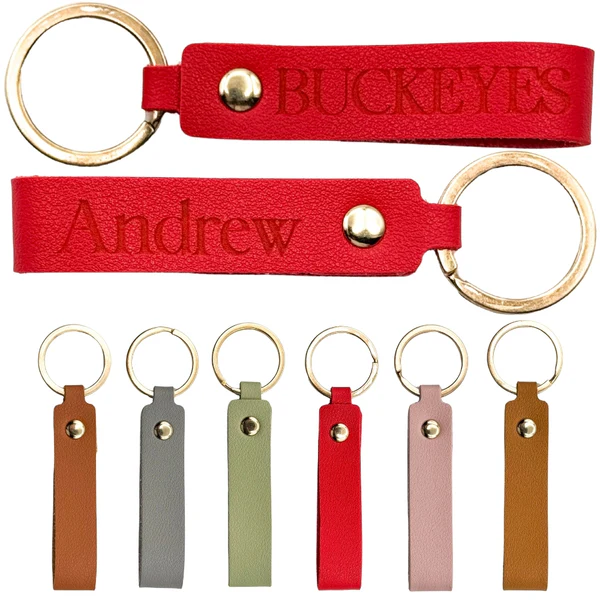
Keychain Custom Designs That Reflect Your Unique Style

Style isn’t just about what you wear. It’s also about the small, everyday items you carry without thinking—keys, bags, accessories that quietly move with you through life. This is where keychain custom designs stand out. They may be small, but they hold the power to express personality, creativity, and individuality in a subtle yet meaningful way.

A custom keychain is more than a functional object. It becomes a personal signature, a reflection of taste, mood, and identity that travels with you everywhere.

Why Custom Keychains Feel More Personal

Unlike mass-produced accessories, custom keychains are designed with intention. Each element—shape, color, text—serves a purpose.

Keychain custom designs feel personal because:

  • They are made to reflect individuality, not trends
  • They carry emotional value, tied to memories or preferences
  • They become part of daily routines, used multiple times a day
  • They feel intentional, not generic
  • They create quiet self-expression, without being overwhelming

Even something as simple as a keychain can say a lot about who you are.

Design Elements That Define Your Style

Customization allows complete creative freedom. The beauty of keychain custom designs lies in the details.

Popular ways to reflect personal style include:

  • Clean, minimal layouts for a calm and modern look
  • Bold colors for confident, expressive personalities
  • Soft tones for a relaxed, understated aesthetic
  • Meaningful symbols that represent values or memories
  • Names, initials, or short phrases that feel personal

These choices turn everyday items into intentional accessories, not afterthoughts.

Everyday Uses That Go Beyond Keys

Custom keychains are no longer limited to holding keys. Their versatility allows them to enhance multiple aspects of daily life.

Common uses include:

  • Attaching to backpacks, purses, or totes
  • Adding personality to lanyards or work items
  • Decorating zipper pulls or organizers
  • Serving as small keepsakes or collectibles
  • Acting as thoughtful, compact gifts

Because they’re lightweight and durable, keychain custom designs fit effortlessly into modern lifestyles.

Why Acrylic Is a Popular Choice for Custom Keychains

Acrylic has become one of the most preferred materials for custom keychains—and for good reason.

Acrylic offers:

  • Clear, polished finishes that enhance design details
  • Long-lasting durability for daily use
  • Lightweight comfort without sacrificing strength
  • Smooth edges and professional appearance
  • Flexibility for both simple and detailed designs

When combined with thoughtful customization, acrylic keychains balance style, function, and longevity beautifully.

Custom Keychains as Meaningful Gifts

A well-designed keychain custom piece makes a thoughtful gift that doesn’t feel excessive or impersonal.

They are ideal for:

  • Birthdays and personal milestones
  • Anniversaries and shared memories
  • Small appreciation gifts
  • Group or community keepsakes
  • Everyday reminders of connection

Because keychains are used regularly, they continue to deliver emotional value long after they’re received.

The Importance of Quality Craftsmanship

Customization alone isn’t enough—quality determines whether a keychain feels premium or disposable.

High-quality custom keychains feature:

  • Clean, smooth edges
  • Secure and durable key rings
  • Sharp, clear printing or engraving
  • Balanced weight for comfortable use

Choosing trusted keychain custom options ensures the final product reflects care, detail, and long-term usability.

Conclusion: Express Yourself Through Everyday Details

Personal style lives in the details. Keychain custom designs prove that even the smallest accessories can hold meaning, creativity, and self-expression. Whether subtle or bold, minimal or expressive, a custom keychain becomes part of your everyday story.

By choosing well-crafted keychain custom designs, you turn a practical item into a personal statement—one that quietly reflects your unique style every single day.

How Long Do Obituaries Stay Online in Shawnee, Oklahoma?

When a person passes away, an obituary is often published online to share basic information about their life, death, and funeral arrangements. In Shawnee, Oklahoma, obituaries serve both a personal and public role. They notify the community and preserve a written record of the individual. Once published online, the length of time an obituary remains available depends on where it is posted and how it is managed.

Not all obituaries have a universal time limit. The period during which an obituary is available online depends on the rules of the platform, whether the listing is paid or free, and whether the family asks for modifications. These points play a role in deciding if an obituary is still easily accessible, gets transferred to an archive, or remains posted forever.

Average Estimated Time for Obituaries to Stay Online

There is no set time limit for obituaries in Shawnee, Oklahoma. Different online platforms vary in how long they display obituaries. Temporary listings and long-term listings coexist. In general, paid newspaper listings outlast the free ones. Most funeral home sites and large obituary platforms have no time limits. The common publication types, along with the usual timeframes, are indicated in the table below.

Platform TypeAverage DurationNotes
Paid Obituaries (Newspapers)30 days to several monthsExtended visibility is often included with paid plans.
Free Obituaries (Newspapers)30 daysCommonly removed or archived after one month.
Funeral Home WebsitesIndefinitelyMany funeral homes keep obituaries posted permanently.
Third-Party Obituary SitesIndefinitelyPlatforms such as Legacy.com do not usually remove listings.
Archived ObituariesIndefinitely, but harder to findAvailable through internal searches or databases.

Factors That Affect How Long Obituaries Remain Available

Several conditions influence how long an obituary stays online. These conditions are tied to publication policies, posting type, and administrative settings rather than location alone.

Website Policy

Each website follows its own posting rules. Some newspaper websites automatically remove obituaries after a set period, often around 30 days. Others allow longer display times, especially when payment is involved. In certain cases, publications offer optional extensions for an added fee. Obituaries may also be moved from primary pages into archives, which reduces visibility without fully removing the listing.

Paid vs. Free Posting

Paid obituaries usually remain online longer. Payment often includes additional features such as images, service details, or extended placement time. On the other hand, free obituaries usually have a set period of time for posting. When that time is over, the obituary can either be archived or deleted completely. The option of payment determines the duration of the public visibility of the listing.

Family Request

Some platforms allow families to request how long an obituary remains posted. This can include asking for extended availability or early removal. Requests may be granted depending on the platform’s policy. Families who want longer access should confirm options at the time of submission rather than assuming standard timelines apply.

Archive Settings

After initial publication, many obituaries are moved into archive sections. Archived listings are not prominently displayed, but they are not deleted. Access often requires searching within the site’s database. Newspapers, funeral homes, and third-party platforms commonly retain archived obituaries for long-term record purposes.

Update Rules

Editing an obituary can affect its visibility period. Some platforms treat updates as renewed activity, which may temporarily increase prominence or extend availability. Updates can include corrections, added service information, or memorial details. Rules vary by platform, and not all updates reset posting timelines.

Platform Type

Where the obituary is posted matters. Local newspaper sites often limit online display time. Funeral home websites and national obituary platforms typically do not. Third-party sites are more likely to keep listings available indefinitely, regardless of posting date.

Search Visibility

Even after removal from active pages, some obituaries remain indexed by search engines. This allows them to appear in search results for months or longer. Other platforms block archived content from indexing, making the obituary harder to locate through standard searches.

Account Access

Certain platforms restrict access to older obituaries behind user accounts or subscriptions. Archived listings may still exist but require login credentials to view. This system allows long-term storage while limiting public visibility.

Conclusion

In Shawnee, Oklahoma, how long an obituary stays online depends on platform rules, posting type, and family involvement. Certain listings get visibility for approximately 30 days, and others are available eternally. Listings of paid funerals, funeral home sites, and third parties usually provide the longest term of availability. Taking these points into account helps locate Shawnee, Oklahoma, obituaries, and considering all factors can be helpful for research, record keeping, or personal reasons.

How Many Types of Concrete Plants Are There?

Concrete plants are generally divided into four major categories, each based on how the concrete is mixed, moved, and used on site. These categories cover mixing methods, mobility, application type, and specialised production systems. Each category also includes multiple subtypes. These include compact plants, on-site batching systems, belt conveyor layouts, and bucket-type configurations designed to meet different construction demands. Understanding these plant types helps contractors and project managers see how Ready Mix Concrete is produced and delivered. In this way, they ensure the final product suits the specific needs of each project.

What is a Concrete Plant?

A concrete plant, also called a batching plant or batch plant, is an industrial facility that combines various ingredients to produce concrete. These facilities range from small portable units serving individual projects to massive permanent installations supplying entire regions.

Core functions of a concrete plant include:

  • Storing raw materials in controlled conditions
  • Measuring precise quantities of each ingredient
  • Mixing components to specified proportions
  • Loading finished concrete for delivery
  • Maintaining quality control throughout production

Modern plants incorporate advanced automation that monitors temperature, humidity, and material moisture content. These systems automatically adjust mix proportions to compensate for environmental variations, ensuring consistent results regardless of weather conditions.

Why Concrete Plant Types Matter for Projects

The type of plant producing your concrete directly affects quality, consistency, and delivery logistics.

Plant CharacteristicImpact on Your Project
Mixing methodDetermines concrete freshness and consistency upon arrival
Plant locationAffects delivery time and workability window
Production capacityInfluences availability for large-volume pours
SpecialisationDetermines whether custom mixes are available
Quality systemsImpacts strength, reliability, and testing documentation

Types of Concrete Plants by Mixing Method

The fundamental distinction between concrete plants lies in where and how the mixing process occurs. This single factor influences everything from concrete quality to delivery flexibility.

Dry Mix (Transit Mix) Concrete Plants

Dry mix plants load unmixed or partially mixed materials into truck mixers for combination during transport.

How dry mix plants work:

  • Aggregate and cement are weighed and batched at the plant
  • Materials are loaded into the truck mixer drum
  • Water is added at the plant or during transit
  • Full mixing occurs in the rotating drum during delivery
  • Driver controls final consistency adjustments

Advantages of dry mix plants:

  • Lower initial plant investment requirements
  • Longer delivery distances are possible
  • Flexibility in final mix adjustments at the site
  • Reduced plant maintenance requirements
  • Better suited for variable demand patterns

Wet Mix (Central Mix) Concrete Plants

Wet mix plants complete all mixing in stationary mixers at the facility before loading into delivery trucks.

How wet mix plants work:

  • All ingredients are weighed and transferred to the central mixer
  • Thorough mixing occurs in a high-efficiency plant mixer
  • Fully mixed concrete is loaded into the truck
  • The truck drum maintains agitation during transport
  • Concrete arrives ready for immediate placement

Advantages of wet mix plants:

  • Superior mixing consistency and uniformity
  • Better quality control and testing capability
  • Higher production speeds are possible
  • More uniform slump and workability
  • Ideal for high-strength and speciality mixes

Pros and Cons of Dry vs Wet Mix Plants

Choosing between plant types involves balancing multiple factors against project requirements.

FactorDry Mix PlantsWet Mix Plants
Mix consistencyGoodExcellent
Delivery distanceLonger possibleShorter optimal
Production speedModerateHigher
Capital investmentLowerHigher
Quality controlDriver-dependentPlant-controlled
Speciality mixesLimitedWell-suited
FlexibilityHigherLower

Did you know? 

Central mix plants can achieve mixing times of just 30-60 seconds per batch, while transit mixing requires 70-100 drum revolutions at mixing speed, typically taking 5-10 minutes.

Types of Concrete Plants by Mobility

Beyond the mixing method, plants differ significantly in their permanence and portability. The mobility classification addresses practical considerations about plant location, project duration, and production economics.

Stationary Concrete Batching Plants

Stationary plants represent permanent installations designed for long-term operation at fixed locations. These facilities serve as the backbone of ready-mix concrete supply in developed areas.

Characteristics of stationary plants:

  • Concrete foundations and permanent structures
  • Higher production capacities (60-300+ m³/hour)
  • Advanced automation and control systems
  • Comprehensive quality testing laboratories
  • Multiple storage silos for various materials
  • Environmental controls for dust and noise

Mobile / Portable Concrete Batching Plants

Mobile plants offer flexibility by relocating between project sites as construction progresses.

Key features of mobile plants:

  • Trailer-mounted or quickly assembled components
  • Production capacities typically 30-120 m³/hour
  • Self-contained operation with minimal site preparation
  • Rapid deployment and demobilisation
  • Lower transport and setup requirements

Ideal applications for mobile plants:

  • Highway and infrastructure projects
  • Remote construction sites
  • Temporary high-demand locations
  • Projects exceeding economic delivery distance
  • Military and emergency construction

Compact and On-Site Batching Plants

Compact plants bridge the gap between mobile units and full-scale stationary facilities. These systems suit medium-term projects requiring dedicated production.

FeatureCompact PlantsOn-Site Batching
FootprintSmall, suits constrained sitesRequires space allocation
Setup timeHours to daysDays to weeks
Best forMedium-term projectsLarge continuous pours
UtilitiesBasic requirementsWater and power are needed
PermitsMay require approvalOften requires permissions

Did you know? 

Some compact batching plants can be operational within 24 hours of arriving on site, compared to weeks or months for permanent installations.

Types of Concrete Plants by Application and Product

Different construction applications demand specialised plant configurations optimised for specific concrete products.

Ready-Mix Concrete Plants

Ready-mix plants produce fresh concrete for immediate delivery and placement at construction sites. These facilities represent the most common plant type serving general construction markets.

Ready-mix plant characteristics:

  • Designed for continuous production and truck loading
  • Multiple mix designs available simultaneously
  • Emphasis on delivery logistics and fleet management
  • Quality systems focused on consistency and documentation
  • Customer service orientation with technical support

When projects require efficient placement, contractors often hire concrete pump services alongside ready-mix delivery to ensure optimal results.

Precast Concrete Plants

Precast facilities manufacture concrete products in controlled factory conditions for later installation.

Products from precast plants include:

  • Structural beams and columns
  • Wall panels and cladding
  • Floor slabs and hollow core units
  • Pipes and drainage components
  • Architectural elements and decorative pieces
  • Bridge sections and infrastructure components
Precast Plant FeaturePurpose
Moulds and formsCreate specific product shapes
Curing chambersControl temperature for strength
Overhead cranesHandle heavy finished products
Stiff mix capabilityProduce immediate demould products
Dimensional QCEnsure installation fit

Paving / Road Concrete Plants

Paving plants specialise in producing concrete for road construction and surface applications. These facilities often operate as mobile units, relocating as construction progresses.

Paving plant characteristics:

  • High-capacity production for continuous paving
  • Stiff mix capability for slipform operations
  • Belt or bucket systems for consistent output
  • Integration with paving train logistics
  • Specialised admixture systems for workability

Specialised Plants (RCC, High-Capacity, Custom Industrial Systems)

Beyond standard categories, specialised plants serve unique construction requirements.

Roller Compacted Concrete (RCC) plants:

  • Very dry, stiff mixes for dam construction
  • High-volume production capacity
  • Continuous mixing systems
  • Specialised conveyor delivery systems

High-capacity plants:

  • Production rates exceeding 300 m³/hour
  • Multiple mixing units operating simultaneously
  • Automated truck loading sequences
  • Advanced material handling systems

Pro Tip: 

For major infrastructure projects requiring specialised concrete types, verify your supplier’s plant capabilities before specification.

Key Components and Working of Different Plant Types

Understanding plant components helps appreciate how different configurations achieve their production goals. Every concrete plant incorporates essential elements, though configurations vary based on plant type.

ComponentFunctionVariations
Aggregate binsStore different aggregate sizesInline, star, or radial arrangements
Cement silosStore cement and cementitious materialsSingle or multiple capacities
ConveyorsTransport materials to the mixerBelt, bucket, or skip systems
Weighing systemsMeasure precise quantitiesCumulative or individual scales
MixersCombine ingredientsDrum, pan, twin-shaft, or planetary
Control systemsAutomate productionManual, semi-auto, or fully automated
Water systemsSupply and meter waterTanks, chillers, heaters

How Dry Mix Plants Operate Step by Step

Dry mix plant operation follows a logical sequence from material storage to truck loading.

Step-by-step dry mix process:

  • Step 1: Aggregates transfer from bins to the weighing hopper
  • Step 2: Cement dispenses from the silo into the weighing system
  • Step 3: The control system verifies quantities match the design
  • Step 4: Weighed aggregates are discharged into the truck mixer
  • Step 5: Cement is added to the truck from the weigh hopper
  • Step 6: Water meters into the truck to the specified quantity
  • Step 7: The driver begins drum rotation for mixing
  • Step 8: Admixtures are added at the plant or on-site

The concrete truck mixer drum typically rotates at 6-18 rpm during mixing, reducing to 2-6 rpm for agitation during transport.

How Wet Mix and Central Mix Plants Operate Step by Step

Central mix operations complete mixing before truck loading, concentrating quality control at the production facility.

Step-by-step wet mix process:

  • Step 1: Aggregates are weighed and transferred to the central mixer
  • Step 2: Cement is weighed and added to the mixer
  • Step 3: Water and admixtures are added in a controlled sequence
  • Step 4: High-speed mixing begins (30-60 seconds)
  • Step 5: Control system monitors mixing time and power
  • Step 6: Fully mixed concrete discharges to the truck
  • Step 7: The truck drum rotates slowly for agitation only
  • Step 8: Quality testing confirms properties before dispatch

Takeaway 

Understanding these plant types matters because the production method directly affects concrete quality, consistency, and delivery logistics. Central mix plants typically produce more uniform concrete, while transit mix plants offer greater delivery flexibility. Matching plant type to project requirements ensures optimal results while avoiding potential quality or scheduling problems.

Pro Mix Concrete operates with over 20 years of experience in the concrete and pumping industry, delivering quality Ready Mix Concrete throughout London and surrounding areas from their network of local plants. Their comprehensive services include Ready Mix Concrete delivery, Mix On Site Concrete for flexible on-location batching, and Concrete Pump Hire for efficient placement in restricted access areas. Their same-day and next-day delivery keeps projects moving without delays. This focus on quality builds trust over time, which is why customers continue to choose Pro Mix Concrete for dependable performance on every project.

FAQs

What are the basic classifications of concrete batching plants?

Concrete batching plants are basically classified by mixing method into dry mix and wet mix plants, and by mobility into stationary and mobile plants. These fundamental categories determine production capabilities and project suitability.

What types of ready-mix concrete plants are used in practice?

Ready-mix concrete plants are usually divided into transit (dry) mix, central (wet) mix, and shrink-mix plants, each differing in where and how the concrete is fully mixed. Transit mix completes mixing in the truck, while central mix finishes at the plant.

Are there more detailed subtypes beyond the main concrete plant categories?

Yes, manufacturers describe many subtypes such as compact plants, on-site plants, belt-conveyor and bucket-type plants, and specialised precast or high-capacity plants under the main categories. These variations optimise for specific applications and site conditions.

What is the difference between dry mix and wet mix concrete plants?

Dry mix plants load dry ingredients into the truck, where mixing is completed in transit, while wet mix plants fully mix the concrete in a central mixer before loading it for delivery. Wet mix generally produces more consistent results, while dry mix offers greater delivery flexibility.

How do stationary and mobile concrete plants differ?

Stationary plants are fixed installations designed for long-term, high-volume production, whereas mobile plants are portable batching systems that can be moved between sites for temporary or project-based use. Stationary plants typically offer higher capacity and more speciality options.

How Fiber Laser Technology Can Improve Your Manufacturing Efficiency

In today’s competitive manufacturing world, efficiency is a key factor for success. Companies are always looking for ways to produce more while maintaining high quality. One technology that has gained popularity in recent years is the fiber laser. This advanced tool has transformed manufacturing processes and helps businesses achieve faster, more precise, and cost-effective production. Understanding how fiber laser technology works and its benefits can help manufacturers make informed decisions about adopting it in their operations.

Understanding Fiber Laser Technology

Fiber laser is a type of laser that uses optical fibers as its gain medium to produce a highly focused and powerful beam of light. Unlike traditional lasers, fiber lasers can deliver energy more efficiently and with greater precision. This makes them ideal for cutting, welding, marking, and engraving various materials, including metals and plastics. One of the main advantages of fiber laser technology is its low maintenance requirement, as it has fewer moving parts and does not rely on gas or other consumables.

Faster and More Precise Cutting

One of the most noticeable ways fiber laser improves manufacturing efficiency is through cutting speed and precision. Fiber lasers can cut through materials much faster than conventional laser or mechanical methods. The beam is extremely narrow, allowing for cleaner cuts and less material waste. Manufacturers benefit from reduced production time, higher throughput, and improved product quality. This precision also reduces the need for additional finishing work, saving both time and resources.

Cost-Effective Production

Fiber laser technology can significantly lower production costs. Its high efficiency means it consumes less electricity compared to other laser systems. Additionally, the minimal maintenance requirements reduce downtime and repair expenses. Since fiber lasers produce precise cuts, there is less scrap material, which directly impacts material costs. For businesses looking to optimize their manufacturing budgets, investing in fiber laser technology can be a smart decision with long-term financial benefits.

Versatility in Manufacturing Applications

Another advantage of fiber laser systems is their versatility. They can be used for cutting, engraving, marking, and welding a wide range of materials, from thin metals to thick sheets. This flexibility allows manufacturers to handle diverse projects without the need for multiple machines. The ability to switch between applications quickly means that businesses can respond faster to customer demands and reduce lead times. By consolidating different tasks into one machine, fiber laser technology streamlines production processes.

Improved Safety and Reliability

Fiber lasers are also known for their safety and reliability in industrial environments. The closed design of most fiber laser systems minimizes the risk of accidents, and their solid-state construction ensures consistent performance over time. Operators can rely on fiber lasers to perform repetitive tasks with accuracy, which reduces the chances of errors or defects. This reliability not only improves overall efficiency but also enhances customer satisfaction by delivering high-quality products consistently.

Environmental Benefits

In addition to operational advantages, fiber lasers offer environmental benefits. They consume less energy than traditional laser systems and produce minimal waste material. Their long lifespan and low maintenance requirements also mean fewer components need replacement over time. For manufacturers looking to reduce their environmental footprint while maintaining high efficiency, fiber laser technology presents an eco-friendly solution.

Conclusion

Fiber laser technology has become a game-changer in modern manufacturing. Its speed, precision, cost-effectiveness, versatility, and reliability make it an essential tool for improving efficiency. By adopting fiber laser systems, manufacturers can reduce production times, lower costs, and produce high-quality products consistently. Whether cutting metals, engraving materials, or performing complex welding tasks, fiber laser technology offers a reliable and sustainable way to enhance manufacturing operations. For businesses aiming to stay competitive in today’s fast-paced market, embracing this advanced technology can lead to significant operational improvements.

How a Home Equity Line of Credit Can Provide Financial Flexibility During Emergencies

Financial emergencies can arise at any time—unexpected medical bills, sudden home repairs, or job loss can put stress on your savings. When such situations occur, having access to quick and affordable funds is essential. A home equity line of credit (HELOC) offers a reliable way to manage these financial challenges without turning to high-interest credit cards or personal loans. This flexible borrowing option allows homeowners to use their home’s equity as a source of emergency funds.

Understanding a Home Equity Line of Credit

A home equity line of credit, often called a HELOC, is a type of revolving credit secured by the value of your home. It works somewhat like a credit card, allowing you to borrow money as needed up to a set limit and repay it over time. The amount you can borrow is based on the equity you have built in your home, which is the difference between your home’s market value and the remaining balance on your mortgage.

Because a HELOC is backed by your home, it typically offers lower interest rates compared to unsecured loans or credit cards. This makes it a cost-effective financial tool, especially when you need access to funds quickly.

Quick Access to Funds When You Need Them Most

During emergencies, immediate access to money can make all the difference. Whether you need to cover urgent medical expenses, replace a broken appliance, or handle temporary income loss, a home equity line of credit can provide fast relief. Once approved, you can draw funds from your HELOC whenever you need them, without going through a lengthy loan approval process each time.

The flexibility of a HELOC means you only borrow the amount you need, and you pay interest only on that amount. This can help you manage expenses responsibly without over-borrowing or paying unnecessary interest on unused funds.

Managing Unexpected Medical or Household Costs

Medical emergencies or sudden home repairs can strain even the best financial plans. Using a home equity line of credit allows homeowners to cover such expenses without depleting their savings. For instance, if your roof needs urgent repair after a storm, a HELOC can provide the funds to fix the problem right away, preventing further damage and additional costs.

Similarly, if you or a family member faces an unexpected medical situation, you can access the necessary funds to pay hospital bills or treatment costs promptly. Having a HELOC available ensures that you can respond quickly without compromising other financial obligations.

Avoiding High-Interest Debt

One of the biggest advantages of using a home equity line of credit during emergencies is avoiding high-interest borrowing options. Credit cards and payday loans often come with steep rates that can lead to long-term debt problems. A HELOC, on the other hand, generally has much lower interest rates, making it a smarter choice for handling urgent expenses.

By using your home equity responsibly, you can manage financial challenges more efficiently and avoid falling into high-interest debt traps. This approach helps preserve your financial stability even during tough times.

Building a Safety Net for the Future

While emergencies are unpredictable, preparation is key. Establishing a home equity line of credit before a crisis occurs can serve as an important part of your financial safety net. Having it in place means you’re ready to act when an emergency arises, without the stress of finding a lender or facing delays.

Many homeowners open a HELOC not because they need funds immediately, but to have peace of mind knowing that help is available when unexpected expenses appear. It’s a proactive step that can strengthen your overall financial readiness.

Conclusion

A home equity line of credit is a powerful tool for homeowners seeking financial flexibility, especially during emergencies. It offers quick access to funds, lower interest rates, and the convenience of borrowing only what you need. By using it wisely, you can protect your finances, avoid costly debt, and handle life’s unexpected challenges with confidence. Whether it’s a medical emergency or a sudden home repair, a HELOC provides the stability and support you need to stay financially secure.

Best Laser Accessories: Essential Add-Ons for Cutting and Engraving

Investing in a laser engraver or cutter is only the first step toward creating professional-quality projects. To get the most out of your machine, you’ll need the right laser accessories—add-ons that improve performance, expand capabilities, and make production more efficient.

Whether you’re a hobbyist just starting out or running a professional engraving business, choosing the right laser engraver accessories can dramatically enhance your results. In this guide, we’ll break down the best laser accessories, explain what they do, and show you how they can help you produce better, faster, and more profitable work.

Why Do Laser Accessories Matter?

Laser machines are versatile, but with the right extras, they become even more powerful. Here’s why accessories for laser engravers are essential:

  • Better Quality Results – Add-ons like air assist and rotary tools ensure smoother, cleaner engraving and cutting.
  • Expanded Capabilities – Engrave cylindrical objects, cut thicker materials, or work with new surfaces.
  • Increased Safety – Ventilation and enclosures keep your workspace safe.
  • Time Savings – Jigs and positioning tools make batch processing easier.
  • Professional Workflow – Accessories transform hobby-level work into professional-grade results.

Must-Have Laser Accessories

Here are the top laser cut accessories and laser engraving accessories every user should consider:

1. Rotary Attachment

If you want to engrave tumblers, mugs, glassware, or bottles, a rotary attachment is a must. It rotates cylindrical objects while the laser engraves, ensuring consistent, even results.

  • Why You Need It: Engraves around curved surfaces that flat beds can’t handle.
  • Best For: Personalized tumblers, wine glasses, mugs, and Stanley cups.

2. Air Assist

Air assist blows a constant stream of air at the cutting point. This prevents smoke buildup, reduces scorching, and allows for cleaner, sharper cuts.

  • Why You Need It: Essential for cutting wood, acrylic, and leather.
  • Best For: Improving edge quality and prolonging lens life.

3. Honeycomb Cutting Bed

A honeycomb table is designed to support materials while allowing airflow underneath. It prevents back burns and ensures smooth, accurate cuts.

  • Why You Need It: Reduces burn marks and keeps projects flat.
  • Best For: Acrylic sheets, plywood, and thin materials.

4. Exhaust and Ventilation System

Engraving creates smoke and fumes, especially when working with wood, leather, or acrylic. A strong exhaust system keeps your workspace safe and your engraver clean.

  • Why You Need It: Essential for air quality and machine longevity.
  • Best For: All laser engraving environments.

5. Lens Kits and Mirrors

Different lens focal lengths allow you to switch between precision engraving and high-powered cutting. Replacement mirrors ensure your laser beam stays sharp and aligned.

  • Why You Need It: Versatility for both detailed work and thicker cuts.
  • Best For: Users working with multiple materials and project types.

6. Rotary Chuck (Advanced Rotary Tool)

Unlike roller rotaries, a rotary chuck grips objects firmly, making it ideal for engraving odd shapes or items that need perfect alignment.

  • Why You Need It: Professional-level control for cylindrical engraving.
  • Best For: High-end cups, industrial components, and detailed rotary work.

7. Laser Alignment Tools

Beam alignment kits help keep your mirrors and lenses perfectly positioned. Proper alignment ensures better accuracy, cleaner cuts, and less power loss.

  • Why You Need It: Keeps your engraver operating at peak performance.
  • Best For: Regular machine maintenance.

8. Fume Extractors

For indoor setups, a fume extractor is one of the most important laser engraver accessories. It filters smoke and odors, making the environment safer and more comfortable.

  • Why You Need It: Health and safety compliance.
  • Best For: Schools, offices, or small workshops.

9. Rotary for Hat Patches and Leather Wraps

Specialized rotaries allow you to engrave not just cups but also leather wraps and hat patches. This opens up profitable niches like custom leather branding.

  • Why You Need It: Expands product range for small businesses.
  • Best For: Leather patch hats, wrapped tumblers, and flexible materials.

10. Jigs and Fixtures

Jigs hold multiple items in place, allowing you to engrave many objects at once without constant repositioning.

  • Why You Need It: Saves time and increases accuracy for batch production.
  • Best For: Keychains, coasters, patches, and bulk items.

11. Water Chiller

For CO₂ glass tube machines, a water chiller keeps the laser tube cool during operation. This prevents overheating and extends the life of your machine.

  • Why You Need It: Critical for high-powered cutting machines.
  • Best For: Industrial setups and long engraving sessions.

12. Material Hold-Down Clamps

When cutting thin materials like plywood or acrylic, warping can cause uneven results. Hold-down clamps keep your material flat against the bed.

  • Why You Need It: Prevents misalignment and improves accuracy.
  • Best For: Wood and acrylic sheet cutting.

13. Safety Glasses

Even though many laser engravers come with enclosures, additional safety glasses are essential, especially for open-frame diode lasers.

  • Why You Need It: Protects your eyes from stray beams.
  • Best For: All users, particularly in shared workspaces.

14. Camera Systems

Cameras integrated with engraving software allow you to see your material layout in real-time, making placement and alignment much easier.

  • Why You Need It: Saves time on setup and reduces wasted materials.
  • Best For: Precision engraving businesses.

15. Material Kits (Wood, Acrylic, Leather Blanks)

Having pre-cut blanks ready for engraving is a game changer for small businesses. Many suppliers offer packs of coasters, ornaments, or tumblers designed for laser use.

  • Why You Need It: Ready-to-use products make testing and production faster.
  • Best For: Etsy sellers and gift product businesses.

Choosing the Right Laser Accessories

Your choice of laser engraving accessories depends on:

For example:

  • If you run an Etsy shop engraving tumblers, a rotary attachment is essential.
  • If you produce signage or décor, a honeycomb table + air assist combo is best.
  • If you operate at industrial scale, water chillers and fume extractors become critical.

How OneLaser Machines Work with Accessories

Both the OneLaser X Series (desktop laser engravers) and the OneLaser Hydra Series (industrial dual-laser engravers) are compatible with popular laser engraver accessories:

  • X Series: Perfect for small shops, compatible with rotary attachments, air assist, honeycomb beds, and jigs. Great for ornaments, signs, and leather patches.
  • Hydra Series: Built for heavy-duty use, supports rotary tools (like PiBurn), passthrough setups, industrial chillers, and advanced exhaust systems. Ideal for bulk tumblers, signage, and high-volume production.

With the right machine and accessories, your creative and business potential expands dramatically.

Conclusion

The right laser accessories can transform a standard machine into a powerful production tool. From rotary attachments and air assist to honeycomb tables and fume extractors, these add-ons improve quality, expand capabilities, and make your workflow more efficient.

For small businesses, the OneLaser X Series combined with essential accessories like air assist and a rotary tool offers an affordable, versatile setup. For industrial shops, the OneLaser Hydra Series paired with advanced cooling, exhaust, and rotary systems provides the scalability needed for nonstop production.

Whether you’re engraving tumblers, cutting signs, or creating custom gifts, investing in the best laser engraver accessories is the key to unlocking your machine’s full potential.

Custom Web Design Services: Turning Clicks Into Conversions

A potential customer’s initial engagement with a firm is frequently through its website in today’s digitally first world. That single interaction can determine whether the visitor stays, explores further, and ultimately makes a purchase—or clicks away to a competitor. While off-the-shelf templates and do-it-yourself website builders may seem cost-effective, they rarely deliver the kind of seamless experience needed to convert visitors into customers. Custom web design services are unique in this regard, as they help close the gap between clicks and conversions by developing solutions that are specifically suited to your company’s objectives.

Beyond Aesthetics: Designing With Purpose

A well-designed website does more than look attractive. It functions as a powerful business tool, strategically built to guide users toward specific actions. Custom web design services focus on aligning the look and feel of a site with its intended purpose—whether that’s generating leads, selling products, or showcasing expertise.

For example, a sleek design may catch attention, but without intuitive navigation, optimized content flow, or a clear call-to-action, the visitor’s journey can quickly end in frustration. Custom web designers go beyond the surface. They examine your customer journey, anticipate user behaviors, and implement elements that encourage conversions at every step. In other words, design becomes more than decoration; it becomes strategy.

User Experience As The Core Driver

When visitors land on a website, they subconsciously evaluate whether it feels trustworthy, easy to navigate, and relevant to their needs. Research continuously demonstrates that users may abandon a page if there is even a one-second delay in page load time. Similarly, poor navigation or cluttered design discourages engagement.

Custom web design services put user experience (UX) at the forefront. From responsive layouts that adjust flawlessly across devices to streamlined menus and optimized load times, every detail is tailored to the target audience. By removing barriers and delivering an enjoyable browsing experience, custom websites naturally improve the likelihood of conversions. When a visitor finds exactly what they’re looking for without friction, they’re far more likely to take action.

Branding Consistency And Trust

Your brand is more than a logo—it’s the voice, tone, and identity that sets you apart. A generic website template often falls short in communicating this unique brand personality. Custom web design services ensure your digital presence mirrors your brand values and speaks directly to your audience.

Consistency in color schemes, typography, imagery, and messaging builds familiarity and trust. When visitors feel they are engaging with a professional, cohesive brand, they’re more likely to convert into paying customers. In contrast, an inconsistent or outdated design may raise doubts about credibility, ultimately deterring potential buyers.

Optimized For Conversions

At its core, the goal of a website is not just to attract visitors but to turn those visitors into customers. Conversion optimization involves strategically placing calls-to-action (CTAs), designing high-impact landing pages, and structuring content to highlight value propositions.

Custom web design services integrate these elements into the DNA of your site. Instead of cramming in generic buttons and forms, every CTA is purposefully designed and positioned to guide users along the sales funnel. By understanding your specific customer base, designers can create tailored pathways that lead from interest to decision-making, boosting conversion rates in measurable ways.

Scalability For Future Growth

Businesses are rarely static. As they expand, so do their digital needs—whether that means adding e-commerce functionality, launching a blog, or integrating with customer relationship management systems. A custom-designed website is built with scalability in mind, ensuring the foundation is strong enough to accommodate future changes without a complete overhaul.

This forward-thinking approach not only saves money in the long run but also ensures your website grows in tandem with your business. A scalable site helps maintain user trust and engagement as new services or products are introduced, keeping conversion rates consistently strong.

Seo-Friendly Design

Visibility plays a direct role in conversions. A beautiful website is of little use if it can’t be found in search results. Custom web design services incorporate search engine optimization (SEO) from the ground up. Clean code, mobile responsiveness, fast load speeds, and keyword-optimized structures all contribute to higher rankings on search engines.

Your website gets more organic traffic when it ranks higher. More traffic, combined with conversion-focused design, results in a winning formula that maximizes return on investment. In essence, SEO and custom design work hand-in-hand to bring in the right visitors and encourage them to stay and convert.

The Competitive Edge

In crowded markets, standing out online is crucial. Many businesses rely on cookie-cutter designs, making it difficult to differentiate themselves. Custom web design services provide the competitive edge needed to rise above the noise. By creating a site that is both visually unique and strategically functional, businesses can leave a lasting impression.

Moreover, a custom approach signals professionalism and commitment to quality—qualities that customers value when deciding where to spend their money. When consumers perceive that a brand has made an investment to create a smooth and customized online experience, they are more likely to trust it with their business.

Conclusion: From Visitors To Loyal Customers

Clicks alone don’t pay the bills—conversions do. An expertly produced instrument for converting attention into action, a custom-designed website is more than just a digital storefront. By focusing on user experience, branding, optimization, and scalability, custom web design services bridge the gap between attracting traffic and achieving meaningful business results. Investing in custom web design is not a luxury but rather a necessity for companies that want to expand. It transforms a website from a static page into a dynamic, conversion-driven platform that converts casual visitors into loyal customers. In a competitive online world, this is the difference between simply existing and truly thriving.

UQ On-Campus Accommodation: Everything You Need to Know Before You Move In

A Growing On-Campus Footprint

The University of Queensland is expanding its on-campus accommodation options—increasing the total capacity to more than 4,500 places at St Lucia through its owned residences and affiliated colleges, up from smaller numbers following the opening of Kev Carmody House in 2022 The University of Queensland.

This growth reflects UQ’s effort to meet the rising demand for safe, affordable student housing and will more than double the number of UQ-owned spots available by 2027.

Accommodation Options at UQ

UQ provides a diverse selection of on-campus housing across both the St Lucia and Gatton campuses. Students can choose from:

  • Residential Colleges at St Lucia – There are 10 well-established colleges, such as International House, Emmanuel, Grace, Cromwell, King’s, St John’s, Union, Women’s, Duchesne College, and St Leo’s. These colleges combine academic support, community living, and pastoral care.

  • Gatton Halls of Residence – The oldest and largest college at UQ, offering about 436 rooms and a close-knit community environment.

  • UQ Residences – A newer option that provides shared housing for students and families, typically arranged in 3–5 bedroom homes.


International House (IH)

A unique, multicultural residence at St Lucia offering:

  • Fully catered rooms for ~200 undergraduates and self-catered units for ~38 postgraduate or mature students.

  • A 50/50 split between Australian and international residents, fostering a diverse community.

UQ-Owned Residence Projects

  • Kev Carmody House (610 rooms) opened in 2022 and rapidly achieved 100% occupancy.

  • A new 1,000-bed development is underway and expected to open in Semester 2 of 2027, more than doubling on-campus capacity to over 4,500 places.

Why Choose On-Campus Living?

Convenience & Community

On-campus residents benefit from easy access to lectures, libraries, labs, and clubs. Colleges offer strong academic and pastoral support, social events, tutoring, and wellness programs—creating a welcoming and enriching environment.

Cost Transparency

Many on-campus colleges include meals, utilities, and internet in the rent, offering predictable living costs. Compared to off-campus BSAs (bed-sitter apartments) ranging from approximately $328–$368 weekly, on-campus may be competitive when factoring in inclusions.

Cultural and Peer Diversity

Residential colleges—especially International House—offer a rich multicultural mix, academic collaboration, and lifelong friendships.

Planning Ahead: Key Considerations

  • High demand & limited availability: Popular residences like Kev Carmody fill quickly—some have waitlists up to 2,000 for 600+ rooms.

  • Multiple options: While on-campus living has many perks, consider approved off-campus providers like UniLodge or Scape, especially when demand is high.

  • Application process: For international students or those under 18, check UQ’s Approved Provider scheme and Under-18 Supervision Program guidelines.

In Summary

UQ on campus accommodation combines convenience and community, with capacity projected to exceed 4,500 beds by 2027.

From traditional residential colleges to modern residence suites, these options make student life easier by fostering friendships, offering predictable costs, and supporting a smooth transition into university life.

If you’d like guidance on comparing colleges, facilities, or application requirements, I can help you find the best fit for your UQ journey.

Types of Emergency Plumbing Services to Save Your Home

Emergency plumbing problems don’t follow a 9-to-5 schedule. They hit at the most inappropriate time, and sometimes, they create havoc. Whether it’s a burst pipe that is flooding your basement during your holidays or a broken water heater that leaves your family with no hot water during the middle of winter, the cases require urgent professional work. To reduce damage and stress, it is essential to know what types of emergency plumbing services are available and when to call in to seek assistance.
In this guide, we will discuss the types of emergency plumbing services provided by professional plumbers.

Burst Pipe Repairs

One of the most catastrophic plumbing emergencies that a homeowner can encounter is a burst pipe. These disastrous collapses may discharge hundreds of gallons of water per hour, costing thousands of dollars in a few minutes.
Water not only forms puddles, but it also seeps into walls, flooring, and furniture, which may lead to structural damage and provide the ideal conditions needed by the dangerous mold to thrive. Emergency plumbing professionals can find the cause of the leak, shut down the leak, and use temporary or permanent repairs.

24/7 Leak Detection

Hidden water leaks may cause a lot of damage, but can still not be noticed by homeowners. Emergency leak detection services utilize advanced technology and expert knowledge in order to detect these latent issues before they develop into significant catastrophes. Such services are especially important when you start noticing your unexplained bills for water, or strange stains with water, or even running water without using a single unit of the system.
A pinhole leak in the wall of a pipe can easily grow into a huge burst, particularly when pipes are pressurized. Slab leaks, in which pipes under the foundation of your home develop issues, may compromise the structural integrity in case you do not fix the problem promptly. All these minor issues can be avoided by hiring a leak detection specialist so that small problems do not turn into a big catastrophe. 

Drain & Sewer Line Emergencies

Sewer line blockages or severe drain blockages pose unsanitary, unpleasant, and potentially dangerous conditions that demand urgent professional measures. These issues extend well beyond a clogged drain that you could address using a plunger or a drain snake.
Emergency drain and sewer services encompass advanced diagnostic methods that transcend simple plumbing repairs. Heavy water jetting machines can clear serious blockages, and specialized equipment can cut tree roots or extract a foreign object.

Water Heater Emergencies

Hot water is one of those modern conveniences we take completely for granted until it’s gone. Emergencies with the water heater can turn your cozy house into a situation that is uncomfortable and inconvenient almost overnight. 

When you request emergency service, technicians come prepared to handle any situation, whether it involves a full system replacement or a complex diagnostic process. They come with the required replacement components, diagnostic equipment, and safety tools to resolve imminent hazards and reestablish hot water service. 

Private Schools in Logan: Education with Excellence

Did you know? In 2024, 19.9% of all school students in Australia were enrolled in Catholic schools—highlighting the enduring appeal of faith-based independent education across the country.

Logan, situated in South East Queensland, benefits from this strong tradition, offering an array of private schools that combine academic rigor with well-rounded student support.

Whether you’re looking for faith-driven values, innovative learning environments, or exceptional performance, here’s a look at some standout private schools in the Logan area—including Redeemer Lutheran College.

Redeemer Lutheran College

Among the leading private schools Logan has to offer, Redeemer Lutheran College sits on the Brisbane–Logan border in Rochedale and educates students from Prep to Year 12. In 2024, it recorded the highest mean NAPLAN scores in Logan for both Year 5 (541.6) and Year 9 (623.6), highlighting its strong academic reputation. With a co-educational environment and values-based approach, Redeemer provides families in Logan and surrounding areas with a compelling choice for quality education.

St Joseph’s Nudgee College (Boys)

Although a bit further away, St Joseph’s Nudgee College draws students from Logan and offers a boarding option. It excels in leadership development, sports, and academic excellence—rooted in Edmund Rice educational values.

Ambrose Treacy College

Located in Indooroopilly, this Congregation of Christian Brothers school attracts many Logan families. Known for strong STEM programs, modern facilities, and a focus on personal development, it offers an enriching private school experience.

John Paul College

A co-educational school in Daisy Hill, John Paul College serves Logan families seeking balance in academics, arts, sports, and community. Often a top performer in NAPLAN itself, it’s a well-rounded option for those valuing both excellence and inclusiveness.

Redeemer Lutheran College: Logan’s Local Standout

As the only high-performer directly within the Logan region—especially in the 2024 NAPLAN benchmarks—Redeemer Lutheran College stands out for its academic leadership and community reputation. Its consistently strong results across both primary and secondary levels reinforce its status as a cornerstone institution for quality private education in Logan. ([turn0news12])

In Summary

While Logan families have several reputable private schooling options—ranging from the academically dominant Redeemer Lutheran College to co-ed environments like John Paul—each school has its niche.

Whether you value faith-based ethos, academic challenge, pastoral care, or creative programs, Logan and its neighboring regions offer quality institutions tailored to diverse family priorities.

Would you like assistance narrowing down options by year level, campus visits, leadership programs, or scholarship availability? Let me know—happy to help!