Navigating Nissan Engine Replacement: A Comprehensive Resource

Nissan has produced some of the automotive world’s most celebrated engines, from the legendary RB series powering Skyline GT-Rs to the robust VQ V6 found in countless sedans and SUVs. Despite Nissan’s engineering excellence, engines eventually require replacement due to wear, damage, or modifications. Understanding engine replacement options, particularly the advantages of Japanese Domestic Market alternatives, helps Nissan owners restore their vehicles to peak performance while managing costs effectively.

Nissan Engine Reputation and Common Issues

Nissan’s engine lineup spans from efficient four-cylinder powerplants to high-performance turbocharged units, each with distinct characteristics and potential issues. The VQ series V6 engines, used extensively across Nissan’s lineup, offer excellent power and reliability but can develop timing chain issues in higher-mileage examples. The distinctive VQ growl comes from sophisticated intake design, but this complexity creates potential points of failure requiring careful maintenance.

The QR series four-cylinder engines provide efficient performance in compact and mid-size vehicles. These engines generally prove reliable with proper maintenance, though some model years experienced issues with pre-catalytic converter failure causing cylinder damage. Regular oil changes and quality fuel help prevent carbon buildup that can affect variable valve timing systems and reduce engine efficiency over time.

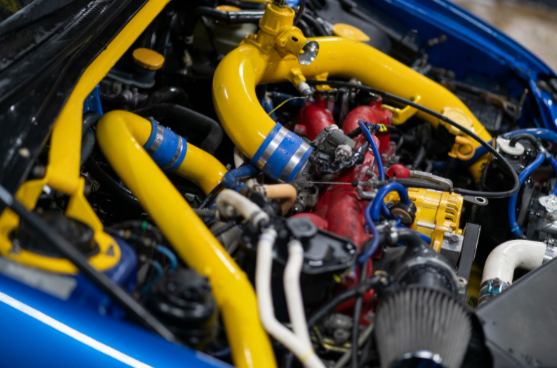
Nissan’s turbocharged engines, including the SR20DET and more recent VR30DDTT, offer impressive performance but require diligent maintenance and careful operation. Turbochargers generate extreme heat and stress, making proper oil selection, cooling system maintenance, and gentle warm-up and cool-down procedures essential for longevity. Modified turbocharged engines face accelerated wear, particularly when boost pressure increases without corresponding upgrades to supporting systems.

When Engine Replacement Makes Sense

Determining whether to repair or replace an engine requires honest assessment of damage extent, repair costs, and vehicle value. Minor issues like head gasket failure, oil leaks, or sensor problems typically warrant repair rather than replacement. However, catastrophic failures involving internal damage, cracked blocks, or severely scored cylinders usually make replacement more economical than extensive repairs requiring complete engine disassembly.

Calculating total ownership costs helps frame replacement decisions. An engine replacement might seem expensive initially, but when compared against years of continued use from a reliable vehicle with known history, the investment often proves sound. New vehicle purchases involve significant depreciation, financing costs, higher insurance premiums, and unknown reliability, making engine replacement attractive for many situations.

Enthusiast vehicle owners face different considerations when evaluating engine replacement. Classic Nissan models, performance variants, or vehicles with sentimental value justify replacement investments that might not make pure economic sense. The relatively simple mechanical design of older Nissan engines makes them excellent candidates for replacement or upgrade, as modern engine management systems often complicate contemporary engine swaps.

Advantages of Japanese Domestic Market Engines

Japan’s unique automotive culture creates exceptional opportunities for Nissan owners seeking replacement engines. The country’s stringent vehicle inspection requirements, known as shaken, escalate dramatically as vehicles age, encouraging owners to replace rather than maintain older vehicles. This practice results in low-mileage engines from well-maintained vehicles entering the export market, providing excellent alternatives to domestic salvage yard options.

The ability to buy JDM Nissan engine online has revolutionized engine replacement by providing access to quality components that previously required international connections. Online suppliers specializing in JDM engines offer detailed specifications, compression test results, and photographs allowing informed purchasing decisions. This transparency contrasts sharply with traditional salvage yards where engines often lack documentation regarding mileage, condition, or operational history.

Japanese engines benefit from superior operating conditions compared to typical North American use. Japan’s excellent road infrastructure, moderate climate in most regions, and comprehensive public transportation reducing daily commute stress all contribute to extended engine life. Japanese fuel quality consistently meets high standards, preventing carbon buildup and injector fouling that plague engines operated on lower-quality fuel. The cultural emphasis on preventive maintenance means most Japanese vehicles receive regular service, preserving engine health throughout ownership.

Evaluating Online Engine Suppliers

Selecting reputable online suppliers requires research and due diligence. Established companies with years of operation and positive customer reviews provide confidence in product quality and customer service. Comprehensive warranties covering specific periods and mileage demonstrate supplier confidence in their products. Transparent policies regarding returns, exchanges, and problem resolution indicate customer-focused business practices.

Documentation separates professional suppliers from questionable operations. Detailed engine specifications including mileage, compression test results, and exterior condition photos enable informed decisions. Some suppliers provide video footage of engines running, offering additional assurance about operational condition. Complete contact information, physical addresses, and responsive customer service indicate legitimate operations committed to customer satisfaction.

Pricing represents another evaluation factor, though lowest price rarely indicates best value. Extremely low prices may signal undisclosed issues, poor storage conditions, or inadequate testing. Reasonable pricing reflecting actual engine condition and market value suggests honest business practices. Including core charges, shipping costs, and any additional fees in total price calculations prevents unexpected expenses during the purchasing process.

Technical Considerations for Engine Replacement

Successful engine replacement requires attention to compatibility, preparation, and installation details. Nissan frequently uses similar engines across multiple models and years, but variations in electronics, accessories, and emissions equipment create potential compatibility issues. Verifying engine codes, checking wiring harness compatibility, and confirming that all necessary sensors and components are included prevents installation complications and additional expenses.

Professional installation by technicians experienced with Nissan vehicles ensures proper procedures, torque specifications, and electronic integration. Modern Nissan engines incorporate sophisticated variable valve timing, direct injection, and integrated engine management requiring proper calibration and programming. Attempting engine replacement without adequate knowledge, equipment, and diagnostic capabilities risks improper installation, poor performance, or electronic malfunctions requiring expensive troubleshooting.

Supporting component replacement during engine installation maximizes investment value and prevents premature failure. Timing belts or chains, water pumps, thermostats, hoses, and gaskets represent relatively minor expenses during engine replacement but prevent future failures requiring additional labor. Engine mounts, transmission mounts, and accessory brackets should be inspected and replaced as needed. Fresh fluids meeting Nissan specifications, including proper oil weight and coolant type, ensure optimal performance and protection.

Shipping and Receiving Considerations

Understanding shipping logistics helps prevent damage and manage expectations regarding delivery timing. Engines typically ship on pallets via freight carriers, requiring delivery to locations with appropriate unloading equipment. Residential delivery may involve additional charges or require arrangements for liftgate service. Clearly communicating delivery requirements and confirming that receiving facilities can accommodate freight deliveries prevents delays and complications.

Inspecting engines immediately upon delivery while freight carriers are present allows documentation of any shipping damage. Photographs of packaging condition, pallet integrity, and visible engine damage provide evidence for insurance claims or supplier disputes. Most reputable suppliers package engines carefully with protective covering, secure mounting, and moisture barriers, but shipping damage occasionally occurs despite best efforts.

Proper engine storage before installation prevents deterioration and contamination. Keeping engines covered, dry, and protected from temperature extremes maintains condition until installation. Rotating the engine periodically prevents bearing surfaces from developing flat spots. Storing engines indoors in climate-controlled environments provides optimal protection, though covered outdoor storage with moisture protection suffices for short periods.

Post-Installation Break-In and Maintenance

Appropriate break-in procedures help replacement engines achieve maximum performance and longevity. Avoiding full-throttle acceleration, sustained high-speed operation, and excessive idling during the first 500 to 1,000 miles promotes proper ring seating and component mating. Varying engine speeds and loads, while avoiding sustained operation at constant RPMs, helps components develop proper wear patterns. Early oil changes remove initial wear particles and manufacturing residues that can cause premature damage.

Establishing comprehensive maintenance schedules protects the investment in engine replacement. Following Nissan’s recommended service intervals for oil changes, filter replacement, and cooling system maintenance prevents premature wear and expensive repairs. Using quality fluids and filters meeting Nissan specifications ensures proper protection and performance. Synthetic oils offer superior protection under extreme conditions, particularly for turbocharged engines generating high heat and stress.

Monitoring engine performance helps identify developing problems before serious damage occurs. Unusual noises, changes in oil consumption, coolant loss, or performance degradation warrant immediate investigation. Modern diagnostic equipment can detect sensor anomalies and developing issues before physical symptoms appear. Addressing minor problems promptly prevents cascade failures that destroy replacement engines just as thoroughly as original units.

Engine replacement represents significant investment in vehicle longevity, particularly for reliable platforms like Nissan. Understanding available options, selecting quality suppliers, and maintaining engines properly ensures years of continued service, making replacement a sound decision for extending vehicle life and preserving the driving experience that made owners choose Nissan originally.

Best Roof Cargo Boxes for Family Trips USA

The best roof cargo boxes for family trips in the USA are the ones that actually make road travel calmer, not more complex. In my 15 years planning operations-heavy projects and family travel logistics, the same rule keeps surfacing: your cargo box needs to fit your vehicle, your gear, and your patience level—because a 10-hour highway drive will expose every design flaw you ignored in the product page.

Premium Picks for Serious Family Travel

When families ask what actually works on long road trips, brands like Thule and Yakima come up again and again for good reasons. Their boxes tend to have smoother hinges, easier mounting systems, and better lock mechanisms—things you only appreciate when you’re wrestling luggage in a motel parking lot at midnight. From a practical standpoint, premium models with dual-side opening and robust latches save time and reduce arguments in the parking lot. If you like to sanity-check big-ticket gear decisions against broader lifestyle guidance, outlets such as Insider Times can help you frame roof cargo box purchases in the wider context of family travel and budgeting.

Budget-Friendly Options That Still Work

I’ve seen teams and families overspend on gear they don’t fully use, and roof cargo boxes are no exception. There are budget boxes that still deliver solid capacity and acceptable durability, especially for a few big trips a year. They may feel flimsier, and the hardware might be less refined, but if you’re not leaving the box on the car year-round, that trade-off can be perfectly rational. Think of it like choosing a mid-range appliance instead of a showpiece: it just has to perform reliably, not impress anyone. The same mindset people use when hunting for the best espresso machines—solid performance without overpaying—translates well to choosing a value-focused cargo box.

Capacity, Aerodynamics, and Noise

Here’s what nobody tells you up front: a roof box that’s “huge” on paper can be a headache in practice. Tall, boxy designs swallow coolers, strollers, and duffel bags but can hammer your fuel economy and add noticeable wind noise. Sleeker, more aerodynamic boxes are kinder on mileage and sound, but they’re less forgiving for bulky items. On one multi-state trip a client ran, the wrong box profile meant constant complaints about whistling at highway speeds. From a practical standpoint, for family trips in the USA, aim for a mid-to-large volume with an aerodynamic profile and accept that you can’t haul every oversized toy on the roof—just like choosing compact, efficient pieces when planning an outdoor patio furniture layout.

Fitment, Safety, and Real-World Usability

MBA programs teach you to compare specs; the real world punishes you if you ignore fitment and workflow. Before buying, you need to confirm three things: crossbar compatibility, hatch clearance, and your garage/parking height. I’ve seen situations where a perfectly “rated” box prevented the rear hatch from opening, which is maddening on grocery days and road trips. Dual-side opening is another feature that looks optional on paper but becomes invaluable when you’re parked tight between cars. And just like choosing comfortable, durable men’s wedding rings instead of purely flashy designs, the smart move is to prioritize ergonomics, ease of use, and long-term comfort over showy shapes and colors.

Organizing for Family Sanity

The reality is, the best roof cargo boxes for family trips in the USA are less about sheer volume and more about how you organize what goes inside. What I’ve learned is simple: soft-sided bags pack better than hard suitcases, and keeping dirty gear, sports equipment, or camping items in the box while reserving the cabin for essentials dramatically reduces stress. I’ve seen this play out with families who finally stopped overloading the rear seats once they treated the roof box as a “garage on the go” instead of just overflow space. The smart move is to define rules—what always goes up top, what always stays inside—before your first trip, not halfway through it.

Conclusion

From a practical standpoint, choosing the best roof cargo boxes for family trips in the USA comes down to honest assessment: how often you travel, how much gear you haul, and which frustrations you refuse to live with. Premium models from trusted brands reward frequent travelers with smoother use and better security, while solid budget options serve occasional road trips just fine. The bottom line is this: buy for your real travel habits, not the fantasy version of your next vacation, and your cargo box will feel like a strategic upgrade rather than just another bulky accessory.

Frequently Asked Questions

What size roof cargo box is best for family trips?

Most families do well with 16–18 cubic feet of capacity. That’s usually enough for luggage, a stroller, and soft bags without overloading the roof or wrecking fuel economy.

Do roof cargo boxes affect fuel economy a lot?

Yes, especially tall or boxy designs. More aerodynamic, low-profile boxes reduce drag and wind noise, which helps keep fuel consumption closer to normal highway levels.

Is a premium brand worth it for occasional use?

If you only take one or two trips a year, a solid budget box can be enough. Premium brands become worth it when you prioritize easier mounting, better locks, and frequent use.

Can I leave a roof cargo box on my car year-round?

You can, but it’s not ideal. Long-term use can impact fuel economy, increase wind noise, and expose the box to unnecessary UV wear. Most seasoned travelers remove it between big trips.

What’s the safest way to load a roof cargo box for family travel?

Keep heavy items in the vehicle and lighter, bulky gear in the roof box. Distribute weight evenly, secure everything to prevent shifting, and stay within both the box’s and the roof rack’s weight limits.

Best Battery Replacement Abu Dhabi

In Abu Dhabi’s fast-paced environment, a dead car battery can bring your day to a sudden halt. The city’s scorching heat, combined with stop-and-go traffic, puts immense stress on vehicle batteries, often shortening their lifespan. As a result, professional battery replacement services in Abu Dhabi have become an essential part of automotive maintenance, offering everything from on-site mobile assistance to a wide selection of batteries and expert diagnostics.

The Rise of Mobile Battery Replacement Services

One of the most significant trends in Abu Dhabi’s automotive service industry is the proliferation of 24/7 mobile battery replacement services. These companies have revolutionized the process of getting a new battery, eliminating the need to visit a garage or wait for a tow truck. When a driver is stranded, whether at home, work, or on the roadside, a simple phone call or app request dispatches a technician directly to their location.

The convenience of these services is unparalleled. A typical service call involves:

1. Immediate Response: Companies like AutoBot Car Batteries Trading, 800 Battery, and Battmobile operate around the clock, ensuring help is available at any time of day or night, including weekends and public holidays.

2. On-site Diagnosis: A qualified technician arrives with specialized tools to perform a quick diagnostic check. They assess the battery’s health, test the alternator and starter motor, and confirm if a replacement is indeed necessary or if a simple jump-start will suffice.

3. Hassle-free Installation: The technician carries a wide range of batteries for different vehicle makes and models. They perform a professional and safe replacement on the spot, often in under 30 minutes, getting the vehicle back on the road with minimal disruption.

This model not only saves time but also provides peace of mind, as the entire process is handled by a professional who ensures the new battery is correctly installed and the car’s electrical system is functioning properly.

A Wide Spectrum of Batteries and Brands

The Abu Dhabi market offers a vast selection of car battery brands, catering to various vehicle types and budgets. Service providers stock both local and international brands, ensuring customers can find the right fit for their car. Some of the most common and reputable brands available include:

ACDelco: A popular choice for its reliability and durability, known for being leak-proof and performing well in the hot climate of the UAE.

Varta & Bosch: Premium German brands known for their superior performance, long lifespan, and ability to handle the demands of modern vehicles with extensive electronics.

Amaron: A top-seller recognized for being cost-effective, durable, and highly resilient to high temperatures, making it a favorite for many residents.

Solite: Known for its high efficiency and longer shelf-life, consistently delivering reliable performance even under harsh conditions.

Other Brands: A variety of other brands like Energizer, Exide, and Global are also widely available, offering a range of options from maintenance-free to heavy-duty batteries.

Pricing, Warranty, and Beyond

The cost of battery replacement in Abu Dhabi varies widely, typically ranging from AED 200 to AED 900, depending on several factors:

Battery Brand and Type: Premium brands and specialized batteries (e.g., AGM for start-stop vehicles) will be more expensive.

Vehicle Make and Model: Luxury or high-performance cars may require specific, higher-priced batteries.

Service Provider: While mobile services are competitive, some may charge a slightly higher premium for the convenience.

Most reputable providers offer a warranty on their batteries, which can range from 12 to 24 months. It is crucial to choose a service that provides a solid warranty, as it guarantees a replacement in case of a premature failure. Many companies also include a free diagnostic and safety check as part of the service, which is an added value.

In addition to standard car batteries, specialized services are also available for heavy-duty vehicles, trucks, and even luxury or classic cars, ensuring every motorist in Abu Dhabi has access to prompt and professional assistance. This comprehensive ecosystem of services, from round-the-clock mobile assistance to a diverse product range and expert advice, makes battery replacement in Abu Dhabi a seamless and reliable process for residents and visitors alike.

How Commercial Fleet Servicing Ensures Road Safety for Your Fleets

For businesses operating commercial fleets, safety on the road is not merely a priority; it’s an absolute necessity. The well-being of drivers, the security of cargo, and the protection of public safety depend heavily on the mechanical integrity of every vehicle. 

Commercial fleet servicing plays an indispensable role in achieving this, transforming potential hazards into reliable operational assets. 

By proactively addressing wear and tear, and ensuring optimal performance, fleet servicing acts as the frontline defense against road incidents, making it a cornerstone of responsible fleet management.

Proactive Identification of Mechanical Issues

One of the most critical ways commercial fleet servicing enhances safety is through the proactive identification of potential mechanical failures. 

During routine inspections, skilled technicians can spot early signs of wear on components like brake pads, steering linkages, suspension parts, and engine belts before they become critical issues. 

Addressing these minor problems early prevents them from escalating into major malfunctions that could lead to a loss of control or a breakdown on the road. This preventative approach is fundamental to fleet safety.

Ensuring Optimal Brake Performance

Brakes are arguably the most vital safety system in any vehicle, especially for heavy commercial trucks. Fleet servicing includes thorough inspection and maintenance of the entire braking system, including brake pads, rotors, calipers, hydraulic lines, and air brake components. 

Technicians check for wear, leaks, and proper functionality, ensuring that vehicles can stop effectively and reliably under various conditions. Maintaining peak brake performance through consistent fleet servicing is paramount for preventing collisions.

Maintaining Tire Integrity and Condition

Tires are the only point of contact between the vehicle and the road, directly impacting traction, stability, and braking distance. Regular fleet servicing involves meticulous inspection of tire pressure, tread depth, and overall condition. 

Technicians look for uneven wear patterns (which can indicate alignment issues), cuts, bulges, or embedded objects that could lead to blowouts. Proper tire maintenance not only prevents dangerous incidents but also optimizes fuel efficiency and extends tire life.

Verifying Lighting and Signaling Systems

Visibility is key to road safety, particularly for large commercial vehicles. During fleet servicing, all exterior and interior lights, including headlights, taillights, brake lights, turn signals, and hazard lights, are checked for proper operation. 

Functional lighting ensures that drivers can see the road ahead clearly and, crucially, that their vehicle is visible to other road users, reducing the risk of accidents, especially during adverse weather conditions or at night.

Ensuring Steering and Suspension Reliability

Precise steering and a stable suspension system are essential for vehicle control, especially for heavy loads or at highway speeds. Commercial fleet servicing includes inspecting components like tie rods, ball joints, shock absorbers, and springs for wear, looseness, or damage. 

Any issues found are addressed to ensure responsive steering and a stable ride, preventing unpredictable handling or loss of control that could lead to dangerous situations on the road.

Compliance with Safety Regulations and Inspections

Commercial fleets are subject to stringent governmental safety regulations and mandatory inspections. Regular fleet servicing ensures that all vehicles meet these compliance standards, which are designed to enhance public safety. 

By keeping up with routine maintenance and pre-emptively addressing potential compliance issues, businesses can avoid penalties, vehicle seizures, and, most importantly, prevent accidents that could arise from non-compliant or unsafe vehicle conditions.