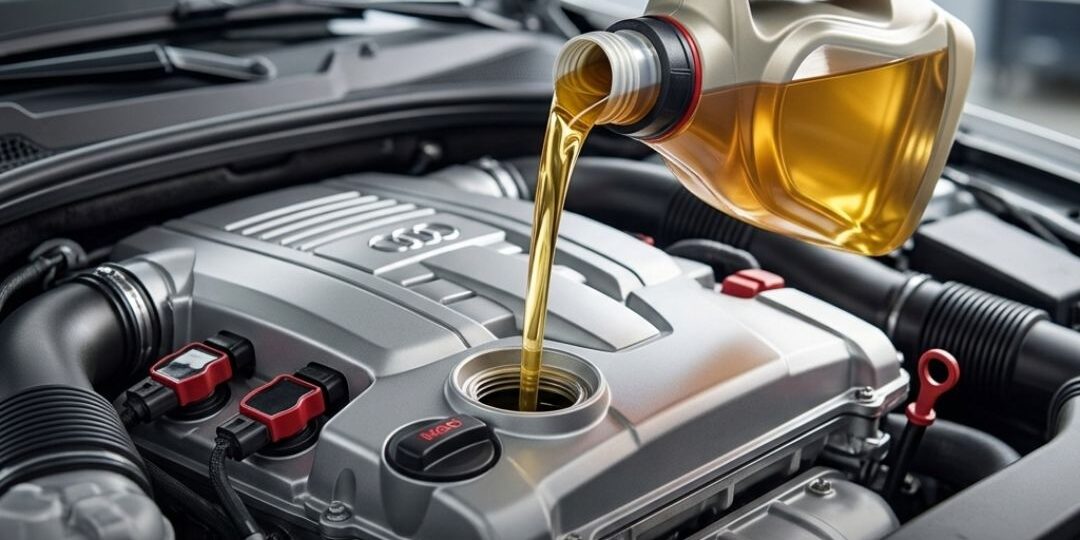
Most engine damage does not happen all at once. It builds slowly, mile after mile, from heat, friction, dirty oil, missed service, and small choices that felt harmless at the time. Engine Oil Selection matters because oil is not only a fluid you pour in during maintenance; it is the thin working layer that keeps metal parts from chewing each other apart.
For drivers across the USA, the choice can feel messy. One store shelf gives you conventional oil, synthetic blends, full synthetic bottles, high-mileage formulas, and labels packed with numbers that look more like math homework than car care. That confusion costs money. A smart owner does not need to become a mechanic, but they do need to understand what their engine asks for, how their driving habits affect oil life, and why cheap shortcuts can shorten a vehicle’s best years. Helpful resources from trusted automotive maintenance publishers can support that decision, but the owner’s manual should always be the first voice in the room.
Why Oil Choice Shapes Engine Life
A healthy engine lives in a brutal place. It deals with heat, pressure, moving parts, fuel residue, short trips, highway runs, cold mornings, summer traffic, and stop-and-go driving that never lets everything settle into an easy rhythm. Oil sits in the middle of that mess and has one job with many faces: reduce wear before wear becomes damage.
Good oil does not make a neglected engine new. Bad oil, though, can make a good engine age faster than it should. That is the part many drivers learn too late, usually after a ticking sound, a warning light, or a repair estimate that makes the whole car feel less affordable overnight.
How does motor oil viscosity affect daily driving?
Motor oil viscosity tells you how easily oil flows at low and high temperatures. The number before the “W” relates to cold-start flow, while the second number reflects protection when the engine runs hot. A common example like 5W-30 means the oil can move well when cold while still holding enough thickness once the engine reaches operating temperature.
This matters most during startup. Engines experience a rough moment before oil fully circulates, especially on cold mornings in places like Michigan, Pennsylvania, Minnesota, and New York. Thin enough oil reaches parts faster. Thick enough oil keeps a protective film when heat climbs. The wrong balance can leave the engine either starved at startup or poorly protected under load.
Many drivers think thicker oil always protects better. That sounds logical, but engines are built around tight tolerances. Oil that is too thick can move slower, raise drag, and reduce efficiency. Oil that is too thin for the engine can fail to protect under heat. The right answer is rarely a guess. It is printed in the manual because the engine was designed around it.
Why engine protection starts before a warning light appears
Engine protection begins long before the dashboard complains. By the time an oil pressure light appears, the situation may already be serious. That light does not mean, “check this soon.” It often means the engine may not be getting the pressure it needs right now.
Oil protects through lubrication, cooling, cleaning, sealing, and corrosion control. It carries heat away from hot spots. It suspends contaminants until the filter can catch them. It helps piston rings seal against cylinder walls. It also fights acidic byproducts created during combustion. None of that is dramatic, but it is the quiet work that lets an engine cross 150,000 miles without becoming a repair story.
The practical lesson is simple: do not treat oil as an afterthought because the car still starts. Engines often tolerate poor habits for a while, then punish them all at once. Better engine protection comes from choosing the correct oil early, checking levels often, and refusing to stretch service beyond what your driving pattern can support.
Matching Oil Type to Your Vehicle and Driving Pattern
Once you understand what oil does, the next step is more personal. A driver in Arizona heat does not treat oil the same way as a driver making short winter trips in Ohio. A truck that tows on weekends does not live the same life as a sedan that cruises twenty highway miles each way. The vehicle matters, but the way you use it matters too.
This is where many owners get caught. They buy oil by price, brand loyalty, or whatever the quick-lube shop recommends. Sometimes that works. Sometimes it hides a mismatch that only shows up years later as sludge, wear, oil burning, or poor cold starts.
When do synthetic oil benefits matter most?
Synthetic oil benefits show up most clearly when an engine faces heat, cold, heavy loads, long drains, or tight modern tolerances. Full synthetic oil resists breakdown better than conventional oil, flows well in cold weather, and often handles high engine temperatures with more stability. For many newer cars, synthetic oil is not a luxury. It is the expected standard.
That does not mean every older car needs the most expensive bottle on the shelf. Some older engines run fine on the grade and specification listed in the manual. Still, synthetic oil benefits can help drivers who tow, sit in heavy traffic, drive in high heat, make repeated short trips, or own turbocharged engines. Turbochargers create intense heat, and weaker oil can cook faster in that environment.
A counterintuitive point: synthetic oil does not give you permission to ignore your car. Better oil can survive longer, but it still collects contaminants. Fuel dilution, moisture, and soot do not vanish because the bottle says synthetic. Better oil buys protection, not immunity.
How high-mileage oil helps aging engines behave better
High-mileage oil is aimed at engines that have usually crossed around 75,000 miles, though condition matters more than the number alone. These formulas often include additives that support seals and reduce small leaks or oil consumption. For a car that has earned its miles honestly, that can be a smart middle ground.
The key is honesty. If your engine loses a quart every few hundred miles, oil choice alone will not fix the problem. If you see blue smoke, puddles, or a burning smell, you may need inspection rather than a different label. High-mileage oil can help with age-related wear patterns, but it cannot rebuild worn rings or repair a failed gasket.
Older vehicles also need steady observation. Check the dipstick at least once a month, and more often before long trips. Many owners wait for the oil light, but that is a bad habit dressed up as convenience. The dipstick tells the truth earlier, and early truth is cheaper.
Reading Labels Without Falling for Marketing
Oil bottles try hard to look smarter than the buyer. You see grades, service ratings, fuel economy claims, mileage promises, and bold words that make every option sound like the correct one. The trick is not to read more. The trick is to read the few details that matter.
Your owner’s manual is the main filter. If the label does not match the viscosity and specification your vehicle requires, the front-of-bottle promise means little. A polished label cannot outrank the engineering target your engine was built around.
What oil ratings and certifications tell you
Oil ratings show whether a product meets certain performance standards. In the USA, many passenger-vehicle oils carry API service categories and may also carry ILSAC markings for gasoline engines. Some vehicles require manufacturer-specific approvals, especially European models, diesel engines, performance cars, and turbocharged engines.
This is where owners often make a quiet mistake. They see the right motor oil viscosity and stop reading. Viscosity matters, but specifications matter too. Two oils can both say 0W-20, yet one may meet your manufacturer’s requirements while the other may not. The grade tells you how it flows. The specification tells you what performance tests it passed.
For general maintenance habits, the U.S. Department of Energy’s vehicle maintenance guidance gives drivers a useful reminder that proper oil and service can support efficiency. That does not replace the manual, but it reinforces a basic truth: maintenance affects how the car drives, costs, and lasts.
Why cheap oil can become expensive later
Cheap oil is not always bad oil. The problem starts when price becomes the only decision. A low-cost oil that meets your vehicle’s required grade and specification may serve perfectly well. A low-cost oil that misses those requirements can turn into false savings.
Engine repairs rarely arrive politely. Sludge buildup, varnish, worn timing components, and oil-starved parts can lead to bills that make a few saved dollars per oil change look foolish. I have seen drivers brag about stretching maintenance until the car “still runs fine,” then act shocked when the engine starts rattling at startup. The damage was not sudden. The noise was only the announcement.
A good purchase rule is plain: choose the least expensive oil that fully meets the required grade, specification, and driving conditions. That keeps you from overspending on marketing while still avoiding the trap of buying beneath the engine’s needs.
Building an Oil Maintenance Routine That Actually Works
Oil choice matters, but routine decides the outcome. Even the right oil cannot protect an engine if the level drops low, the filter clogs, or the interval runs past reason. Maintenance fails less from ignorance than from delay. People know they should do it. Then life gets loud.
That is why the best oil routine is one you can repeat without drama. It should fit your car, your mileage, your climate, and your driving style. Fancy plans fail when they demand too much attention. Simple plans win because they survive busy weeks.
How should oil change intervals be adjusted?
Oil change intervals should come from the owner’s manual first, then be adjusted for real driving. Many vehicles list normal and severe service schedules. Severe service does not always mean extreme off-roading. It can mean short trips, freezing starts, dusty roads, towing, long idling, rideshare driving, delivery work, or heavy traffic.
Short trips are sneaky. The engine may not get hot enough long enough to burn off moisture and fuel residue. That contamination sits in the oil and ages it faster. A car that drives five miles to work and five miles home may need more care than a car that cruises thirty highway miles daily.
Modern oil-life monitors help, but they are not magic. They estimate based on driving patterns and operating conditions. Respect them, but still check oil level between changes. Oil change intervals mean little if the engine burns or leaks oil halfway through the cycle.
What should drivers check between oil services?
A smart oil routine includes three basic checks: level, color/texture, and leaks. The dipstick should show oil within the safe range. Dark oil is not automatically bad, but gritty oil, milky oil, a burnt smell, or sudden level loss deserves attention. Under the car, fresh wet spots should never be ignored.
Filters deserve respect too. A quality filter helps keep contaminants from cycling through the engine. Pairing good oil with a poor filter is like washing dishes with dirty water. It may look like maintenance, but the weak part lowers the whole result.
Keep a simple record. Date, mileage, oil grade, brand, filter, and any notes about consumption. This habit sounds small until you need to spot a pattern. When a vehicle starts using oil between services, records tell you whether the issue is new, slow, or getting worse. That knowledge helps you act before the engine forces your hand.
Conclusion
Cars last longer when owners stop treating maintenance like a reaction to trouble. Oil is one of the few places where a small, repeated decision shapes the future of the whole vehicle. The right grade, the right specification, and the right service rhythm can help a daily driver stay calm through summer heat, winter starts, long commutes, and years of ordinary wear.
Engine Oil Selection is not about buying the fanciest bottle or trusting the loudest label. It is about matching the oil to the machine and the life that machine actually lives. Read the manual, respect your climate, track your mileage, and pay attention to how the engine behaves between services.
The best time to protect an engine is before it asks for help. Check your oil this week, confirm the correct grade, and make the next oil change a decision instead of a guess.
Frequently Asked Questions
What is the best engine oil for high-mileage cars in the USA?
High-mileage oil can be a smart choice for engines with aging seals, minor oil consumption, or more than 75,000 miles. The best option still depends on the viscosity and specifications listed in the owner’s manual. Never switch grades without a clear reason.
How often should American drivers change synthetic oil?
Many modern vehicles using synthetic oil can go longer than older conventional-oil schedules, but the owner’s manual should decide the baseline. Short trips, towing, traffic, heat, and cold starts can shorten the safe interval, even when the oil is synthetic.
Does motor oil viscosity matter in warm states?
Yes, warm climates still demand the correct viscosity. Heat affects oil thickness, engine load, and protection under stress. Drivers in Texas, Arizona, Florida, and similar areas should follow the manual and consider severe-service guidance when heat, towing, or idling are common.
Can the wrong oil damage a modern engine?
The wrong oil can increase wear, affect timing components, reduce fuel efficiency, and create problems in engines with tight tolerances. Modern engines often need specific grades and certifications, so matching only the bottle’s viscosity may not be enough.
Are synthetic oil benefits worth the higher price?
Synthetic oil benefits are often worth it for newer vehicles, turbocharged engines, cold climates, hot climates, towing, and longer service intervals. The higher price can make sense when it supports better stability, cleaner operation, and stronger protection under stress.
Should I use high-mileage oil if my car does not leak?
High-mileage oil may still help older engines, but it is not required for every car past a certain mileage. If the engine runs clean, holds oil well, and the manual-approved oil works properly, you may not need to switch right away.
Why does my engine oil turn dark so fast?
Oil darkens as it collects heat byproducts, soot, and contaminants. Dark oil alone does not always mean failure, especially in engines that work hard. Grit, sludge, a burnt smell, milky texture, or fast level loss deserves inspection.
What oil change mistakes shorten vehicle life?
Common mistakes include using the wrong grade, ignoring oil level, stretching intervals too far, buying oil without checking specifications, using poor filters, and skipping records. Small habits matter because oil-related wear often builds silently before symptoms appear.
Source prompt followed: