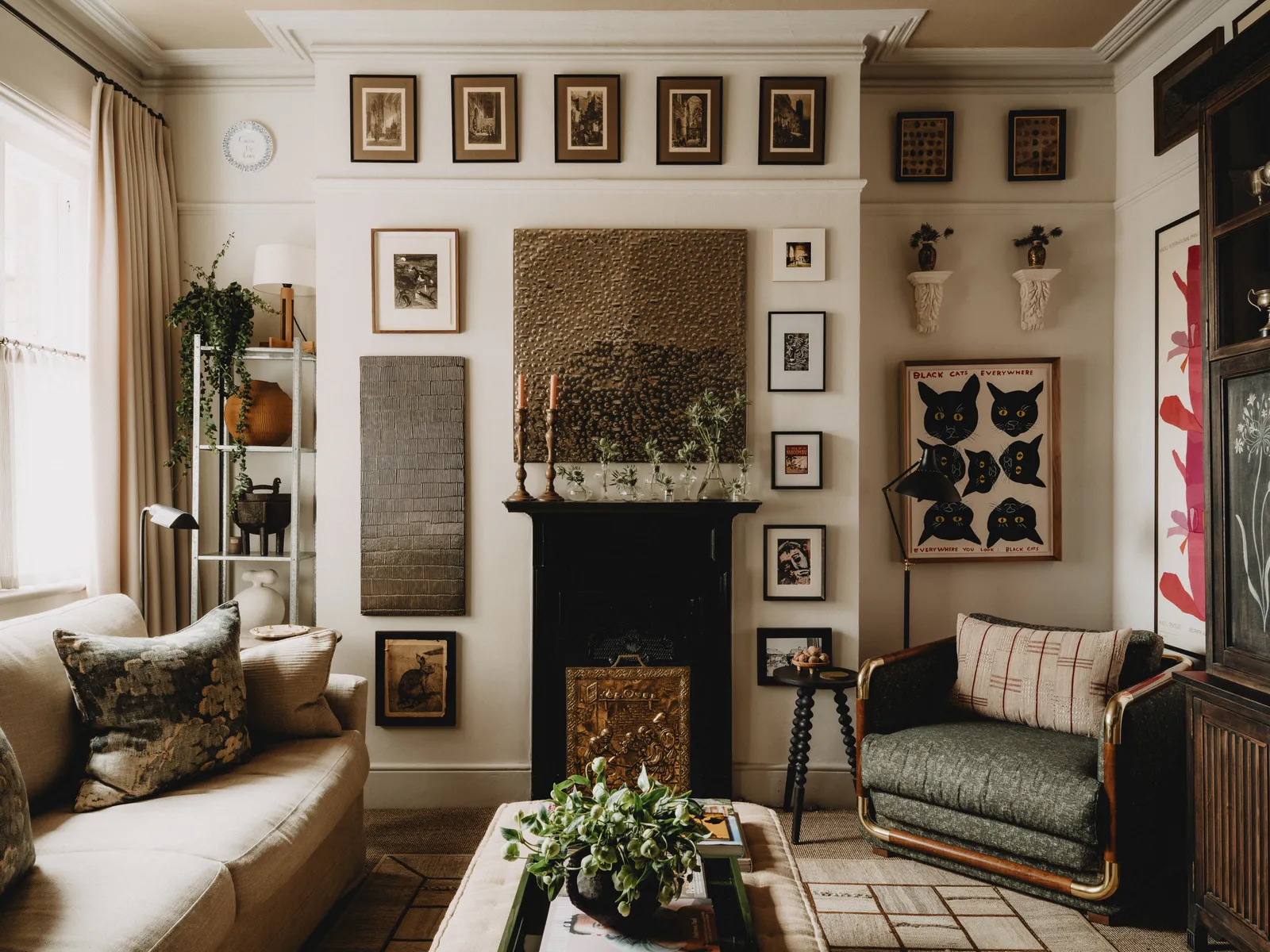
A room can start feeling tired long before anything is broken. The sofa still works, the paint still holds, and the shelves still stand, yet the space begins to feel stuck in a season you have already left behind. That is where home refresh ideas matter for American households that want change without turning every weekend into a remodel. A seasonal update should not feel like a shopping spree with throw pillows attached. It should make your home respond better to the way you live right now.
Good seasonal changes begin with small choices that carry weight: lighter textiles in spring, warmer lighting in fall, cleaner surfaces after the holidays, and smarter storage before summer activity takes over. A well-kept home does not need to look new every season. It needs to feel awake. For readers who follow home style, lifestyle, and local living trends through trusted digital resources like modern home improvement insights, seasonal planning can turn scattered decorating decisions into a calmer rhythm that fits real life.
Seasonal Interior Updates Start With What Feels Off
A seasonal home update begins with discomfort, not decoration. You notice the entryway catching clutter, the living room feeling dim after dinner, or the bedroom carrying winter weight into a warmer month. That small irritation tells you where the room needs attention before you spend a dollar.
Why Room Energy Changes Before Furniture Does
A room shifts when light, temperature, activity, and routine change. In many American homes, winter pulls people indoors, so rooms collect blankets, heavy rugs, deeper colors, and more objects on surfaces. By late spring, the same choices can make the space feel crowded.
The furniture did not fail. The season changed the job of the room. A living room that once needed warmth may now need breathing space, clearer walkways, and fabrics that do not trap heat. That is why smart seasonal decorating starts with editing before adding.
A good test is to stand in the doorway and name the first thing that annoys you. If your eye lands on a dark corner, a full coffee table, or a bulky throw basket, start there. One honest reaction beats a cart full of random accents.
How to Read Light, Texture, and Daily Habits
Natural light tells you what a room wants. South-facing spaces may need softer curtains in summer because glare can make even a clean room feel harsh. North-facing rooms may need warmer bulbs or reflective accents during darker months to avoid looking flat.
Texture matters as much as color. Cotton, linen, rattan, and bare wood often feel better in warmer seasons, while wool, velvet, layered rugs, and heavier drapes make sense when temperatures drop. The point is not to chase a catalog look. The point is to match touch, comfort, and mood.
Daily habits expose the real problem. If shoes pile up near the door every March because kids start sports again, a new vase will not help. A washable rug and a better drop zone will. Pretty choices work best after practical friction gets handled.
Refresh Color and Fabric Without Repainting Every Room
Paint can change a room fast, but it is not the only answer. Most people do not need a full repaint every season, and most budgets do not need that pressure either. Color and fabric can shift the room’s mood without turning your house into a construction zone.
What Seasonal Decorating Colors Work Best in Real Homes?
Seasonal decorating colors should respect the base palette already in your home. A white, beige, gray, or soft green room can shift through accents without looking forced. Spring may call for clay, cream, pale blue, or muted yellow. Fall may feel better with rust, olive, caramel, or deep navy.
The mistake is using seasonal color like a costume. A room filled with orange objects in October or red accents in December can feel more like a store display than a home. Choose two seasonal tones and let them repeat quietly through pillows, art, florals, or table linens.
Color also needs balance. If your room already has strong wood tones, brass, brick, or dark flooring, seasonal accents should support those features instead of fighting them. A small change feels more expensive when it looks connected to what already exists.
How Can Soft Furnishings Create a Room Refresh?
Soft furnishings carry seasonal change better than almost anything else. Pillow covers, throws, curtains, bedding, slipcovers, and area rugs can shift temperature, texture, and comfort without permanent work. A bedroom can move from winter to summer with lighter bedding and one calmer accent color.
Room refresh choices should solve how the room feels, not only how it photographs. A heavy throw may look rich in January but feel annoying in July. A flatwoven rug may feel crisp in summer but leave a family room cold in December.
Storage makes this easier. Keep seasonal textiles clean, folded, and labeled by room instead of packed in random bins. When the next season comes around, you are not starting from scratch. You are rotating a system that already knows your home.
Edit Surfaces Before Adding New Decor
The fastest seasonal change often comes from removing what no longer belongs. Surfaces collect proof of living: mail, candles, chargers, books, cups, school papers, remotes, and old decor that stayed past its moment. Before you add anything, give the room back its breathing room.
Why Empty Space Makes Interior Styling Stronger
Empty space is not wasted space. It gives the eye somewhere to rest, which makes the pieces you keep feel more intentional. A console table with two strong objects and a lamp often looks better than one packed with five small accents fighting for attention.
Interior styling improves when each surface has a job. A coffee table can hold one tray, one book stack, and one natural element. A nightstand can hold a lamp, a small dish, and the book you are actually reading. Anything beyond that needs to earn its place.
Seasonal edits work because they interrupt clutter blindness. You stop seeing what sits in the same spot for months. Taking everything off a shelf and rebuilding it forces a decision. Some pieces return. Some move. Some should have left long ago.
How to Build Seasonal Vignettes Without Clutter
A vignette works when it feels collected, not crowded. Use varied heights, one seasonal cue, and one practical anchor. For example, an entry table in fall might hold a warm lamp, a wooden bowl for keys, and a small branch arrangement. That is enough.
The counterintuitive move is to avoid too many tiny objects. Small decor can make a room feel busy faster than large pieces do. One oversized bowl, one framed print, or one sculptural vase often brings more calm than a handful of themed items.
Home makeover thinking does not always require buying. Move a lamp from the guest room, place a framed print in a new corner, or swap books between shelves. A room can feel changed because your eye meets old objects in a new order.
Make Seasonal Function Part of the Design
A beautiful room that fails your routine will annoy you by the second week. Seasonal updates should make daily life smoother, especially in busy American homes where weather, school calendars, guests, pets, and weekend plans change the way each room gets used.
What Storage Shifts Help Seasonal Interior Styling?
Storage should change when the season changes. Winter needs space for coats, boots, gloves, and heavier linens. Summer needs room for pool towels, outdoor gear, sports bags, sunscreen, and washable items that move between indoors and outdoors.
Interior styling gets stronger when storage looks like part of the room. Baskets under a console, lidded boxes on shelves, wall hooks in a mudroom, and benches with hidden compartments solve mess without making the home feel like a storage unit. The best systems are visible enough to use and attractive enough to keep.
The hidden problem is over-storage. Too many bins can become a way to avoid decisions. Before you add another basket, remove what no longer fits the season, the room, or the life you have now. Storage should support clarity, not hide indecision.
How Can Entryways, Bedrooms, and Living Rooms Adapt?
Entryways need the most seasonal discipline because they catch life at full speed. A small tray, a washable mat, sturdy hooks, and one basket for out-the-door items can change how the whole house feels. The entry sets the tone before anyone reaches the living room.
Bedrooms need comfort shifts more than decorative shifts. Change bedding weight, adjust lamp warmth, clear nightstands, and rotate scents or natural textures. A bedroom should tell your body what season it is without shouting through themed decor.
Living rooms need flexibility. Family movie nights, holiday hosting, summer downtime, and back-to-school routines all ask different things from the same space. Move small tables, edit throws, adjust lighting, and keep pathways open. The room should welcome people before it tries to impress them.
Conclusion
A seasonal home should not feel like a stage set that gets replaced four times a year. It should feel responsive, lived-in, and ready for the way your days are actually changing. The strongest updates often come from noticing one pressure point, fixing it with care, and letting the room breathe again.
That is the real value behind home refresh ideas: they help you treat your home as a living place instead of a fixed display. A room that worked in January may need less weight in May. A kitchen that felt bright in summer may need warmer lighting by November. None of that means your style is wrong. It means your home is allowed to move with you.
Start with one room, remove what feels stale, adjust one texture, solve one storage problem, and add one seasonal detail that makes you smile when you walk in. Change does not need to be loud to be felt.
Frequently Asked Questions
What are the best seasonal home refresh ideas for small spaces?
Small spaces benefit from lighter textiles, fewer surface items, better vertical storage, and one seasonal accent color. Avoid adding too many decorative pieces. A small room feels fresher when it has clearer floors, brighter lighting, and fewer objects competing for attention.
How often should I update my home decor seasonally?
Most homes feel best with four light seasonal edits each year. You do not need major changes every time. Rotate fabrics, clean surfaces, adjust lighting, and swap a few accents. A simple seasonal rhythm keeps your home current without making it feel overworked.
What is the easiest room to refresh first?
The entryway is often the easiest place to start because small changes create an immediate shift. A clean mat, useful hooks, a tray for keys, and one warm or fresh accent can make the whole home feel more organized from the first step inside.
How can I refresh my living room without buying new furniture?
Move existing pieces, clear crowded surfaces, change pillow covers, rotate lamps, update the rug placement, and remove decor that no longer fits the season. Rearranging what you already own often creates a stronger change than adding another piece.
What colors work well for seasonal home decorating?
Soft greens, warm neutrals, muted blues, clay tones, cream, rust, olive, and caramel work well because they blend into real homes without feeling forced. Choose colors that connect with your flooring, furniture, and natural light instead of copying seasonal trends blindly.
How do I make my home feel cozy in colder months?
Layer warmer textiles, use softer lamp light, add heavier curtains, bring in natural wood tones, and keep seating areas easy to gather around. Cozy rooms depend on warmth, comfort, and closeness, not piles of themed decor.
How can I make my home feel lighter for spring and summer?
Remove heavy throws, switch to breathable fabrics, clear dark corners, open window treatments, and bring in natural textures like linen, cotton, and rattan. Lighter rooms come from better airflow, fewer visual blocks, and colors that reflect daylight.
What seasonal updates add the most value to a home?
Clean paint touch-ups, better lighting, organized entry storage, fresh textiles, improved curb appeal, and clutter-free surfaces add the most visible value. These updates make a home feel cared for, which matters to guests, buyers, and the people living there every day.