A beautiful kitchen can still be a daily headache if it ignores how people cook, clean, gather, and move. American homes have changed, but the kitchen still carries the heaviest load in the house. That is why modern kitchen designs need more than glossy cabinets and a dramatic island. They need rhythm, storage, light, durable surfaces, and enough breathing room for real life.
Across the USA, kitchens now work as cooking zones, homework corners, coffee stations, hosting spaces, and quiet morning reset rooms. The smartest homeowners are not chasing showroom perfection. They are asking better questions: Where do groceries land? Where does clutter hide? Can two people cook without bumping shoulders? Can the room still feel calm after dinner? For brands, remodelers, and home writers building authority in this space, strong visibility through home improvement publishers helps useful ideas reach the people actively planning their next upgrade.
Designing a Kitchen Around Daily Movement
Good kitchens begin with motion, not materials. Before cabinet colors, tile samples, or pendant lights enter the conversation, the room has to respect the way your body moves through a normal day. A functional kitchen layout should reduce wasted steps, protect prep space, and keep the busiest zones from fighting each other.
Why the Work Zone Matters More Than the Triangle
The classic kitchen triangle still has value, but it does not solve every home anymore. A single person cooking in a 1960s ranch kitchen has different needs than a family in a Texas new build where one adult cooks, one child grabs snacks, and another person loads the dishwasher. The better approach is to think in zones instead of lines.
A prep zone near the sink gives you room to rinse vegetables, trim meat, and set out ingredients without crossing the floor. A cooking zone should have landing space beside the range, not only because it looks tidy, but because hot pans need a safe place to rest. A cleanup zone works best when the dishwasher, trash pullout, and dish storage sit close enough to make unloading feel almost automatic.
That sounds simple until a remodel ignores it. A homeowner might buy a wide range, add a large island, and still end up chopping onions on a tiny corner beside the sink. The room looks expensive but acts cheap. That is the quiet failure nobody photographs.
Traffic Paths That Keep the Kitchen Calm
Every kitchen has invisible lanes. People walk from the fridge to the island, from the garage entry to the pantry, from the dining table to the sink, and from the coffee maker to the living room. When those lanes cross the cooking area too often, the room feels tense even if it has plenty of square footage.
A family in suburban Ohio, for example, may enter the house through a mudroom and drop backpacks near the kitchen. If the refrigerator sits directly in that path, snack traffic cuts through meal prep all afternoon. Moving the fridge closer to the edge of the kitchen can protect the cook’s workspace while still keeping food easy to reach.
Open floor plans make this issue sharper. An open kitchen design should feel welcoming without letting every movement invade the cooking zone. Wide walkways, clear island spacing, and smart appliance placement make the difference between a social kitchen and a crowded one.
Choosing Materials That Look Good After Real Use
Once the room moves well, surfaces have to carry the weight of daily life. A kitchen that looks polished for one week and tired after one year is not stylish. It is fragile. The best material choices balance beauty with forgiveness, because American kitchens deal with coffee spills, lunch packing, sauce splatter, pet bowls, and weekend guests.
Countertops That Can Handle Busy Homes
Countertops set the tone because they take the most abuse. Quartz remains popular in many USA remodels because it resists stains and offers consistent patterns, but it is not the only good choice. Granite still suits homeowners who want natural variation, while butcher block adds warmth when used in lower-risk zones away from constant water.
The mistake is choosing a surface only under showroom lighting. A black counter may look sharp in a design center, then show every crumb under bright morning sun. A heavily veined slab may hide mess well, yet clash with a bold backsplash. Real selection happens when you bring samples home and see them beside your flooring, cabinet finish, and natural light.
Stylish kitchen ideas should survive Tuesday night spaghetti. A kitchen does not need to look untouched to look good. It needs surfaces that age with some grace, clean without drama, and match the way you cook rather than the way a staged photo pretends you live.
Cabinets, Hardware, and Finishes That Earn Their Place
Cabinets cover more visual space than almost anything else in the room, so they can either calm the kitchen or make it feel busy. Flat-panel doors create a clean look, shaker cabinets stay flexible, and slim hardware keeps the eye moving without clutter. None of that matters, though, if the finish chips, smudges, or fights the rest of the home.
White cabinets still work, but they are no longer the only safe choice. Warm wood, soft taupe, muted green, and deep navy can feel current without turning the room into a trend sample. The trick is restraint. If the cabinets carry color, let the backsplash breathe. If the countertop has movement, keep the cabinet profile quiet.
Hardware deserves more attention than it gets. A thin pull may look elegant but feel awkward for large drawers. A knob that catches sleeves will annoy you for years. Touch matters in a kitchen. You interact with these pieces dozens of times a day, and the wrong choice becomes a tiny irritation that never leaves.
Storage That Makes the Room Feel Bigger
A kitchen feels spacious when everything has a place, not when every wall is packed with cabinets. Storage should remove friction from your routine. Good kitchen storage solutions do not hide clutter randomly; they assign items to the places where you reach for them without thinking.
Deep Drawers Beat Awkward Lower Cabinets
Lower cabinets with fixed shelves often become dark caves for pans, appliances, and lids that vanish behind each other. Deep drawers solve that problem because they bring the contents to you. Pots, mixing bowls, storage containers, and small appliances become easier to see and easier to return.
This change matters in smaller homes and apartments across cities like Chicago, Boston, and Seattle, where every inch has to work harder. A deep drawer under the cooktop can hold pans exactly where they are needed. A drawer near the dishwasher can store plates so unloading takes less effort. The design looks cleaner because the routine behind it works better.
Functional kitchen layout decisions often come down to small habits. Where do you open mail? Where do you charge devices? Where do lunch boxes dry? A drawer with dividers, a narrow tray cabinet, or a hidden charging shelf can remove daily mess before it becomes a visual problem.
Pantry Planning for Real American Shopping Habits
Pantries need to match how people buy food. Some households shop weekly at Costco, some order groceries online, and some keep backup staples for storms, long commutes, or large family meals. A pantry that ignores those habits fills up fast and fails quietly.
Walk-in pantries appeal to many homeowners, but a well-planned cabinet pantry can work better in a compact kitchen. Pullout shelves, labeled bins, vertical dividers, and shallow storage prevent food from getting buried. Deep shelves look generous until pasta boxes, snacks, and canned goods disappear into the back.
Kitchen storage solutions also affect waste. When you can see what you own, you buy fewer duplicates and throw away less expired food. That is not a glamorous design point, but it changes how the kitchen feels at the end of every week. Calm often starts with knowing where the peanut butter is.
Creating Style Without Sacrificing Comfort
Style should not make a kitchen harder to use. The strongest rooms have a point of view, but they also welcome noise, crumbs, conversation, and the occasional pan left in the sink. That balance separates a livable kitchen from a staged one.
Lighting That Changes With the Day
Kitchen lighting needs layers because the room changes roles from morning to night. Bright task lighting helps with chopping and cleaning. Softer island lighting supports conversation. Under-cabinet lighting prevents shadows where knives, recipes, and small appliances live.
A single ceiling fixture cannot do all of that. It creates harsh spots, dim corners, and a flat feeling that makes even good finishes look dull. Recessed lights, pendants, under-cabinet strips, and a dimmer system give the room range. The best lighting does not call attention to itself all day. It quietly adapts.
Open kitchen design makes lighting even more important because the kitchen shares visual space with the living or dining area. Pendants over an island should relate to nearby fixtures without matching them like a furniture set. A little tension looks more natural than perfect coordination.
Warm Details That Keep Modern From Feeling Cold
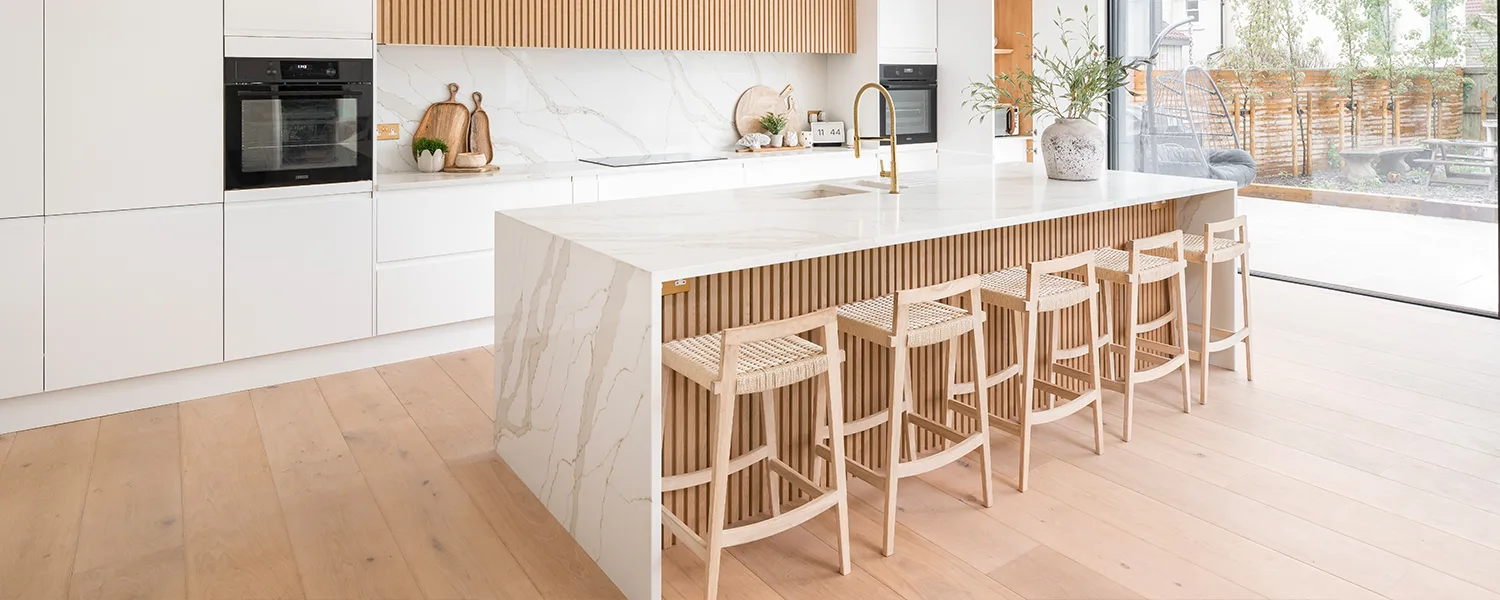
Modern style can turn sterile when every surface is hard, pale, and shiny. Warmth has to be built in through texture, contrast, and personal details. Wood stools, woven shades, handmade tile, soft brass, or a framed print can stop the room from feeling like a showroom nobody lives in.
Stylish kitchen ideas work best when they connect to the rest of the house. A farmhouse in Tennessee can handle different choices than a condo in Miami or a craftsman home in Portland. The goal is not to copy a trend. The goal is to make the kitchen feel like it belongs behind your front door.
The smartest modern kitchen designs do not chase perfection. They create a room that helps you cook with less friction, clean with less resentment, and gather without feeling crowded. Start with movement, then choose materials, storage, lighting, and finishes that support the way you live every day. Before you buy a single cabinet or tile sample, walk through your current kitchen during a normal meal and write down every point of irritation. Fix those first, and the style will have something solid to stand on.
Frequently Asked Questions
What are the best modern kitchen ideas for small American homes?
Small kitchens work best with deep drawers, wall-height cabinets, lighter surfaces, and clear counter zones. Skip oversized islands if they block movement. A compact peninsula, pullout pantry, or rolling prep cart can add function without making the room feel tight.
How do I make a kitchen look modern without remodeling everything?
Start with lighting, cabinet hardware, faucet style, wall color, and clutter control. These updates change the room’s mood without tearing out cabinets. New stools, a cleaner backsplash area, and under-cabinet lighting can also make an older kitchen feel current.
What is the best kitchen layout for cooking every day?
The best layout keeps the sink, range, refrigerator, trash, and prep space close without crowding them together. Daily cooking feels easier when ingredients, water, heat, and cleanup sit in a smooth path with enough counter space between each task.
Are white kitchens still popular in the USA?
White kitchens still appeal to many homeowners because they feel bright and flexible. Warmer whites, wood accents, and textured tile now feel fresher than flat all-white rooms. The best version adds contrast so the space does not feel plain.
What colors work well in a modern kitchen?
Soft green, warm beige, mushroom gray, navy, charcoal, and natural wood tones work well. These colors feel current without aging fast. Strong color works best when balanced with calm counters, simple hardware, and steady lighting.
How much walkway space should a kitchen have?
Most kitchens need at least 36 inches of walkway space, while busy cooking zones feel better with about 42 inches. Larger households may need more room around islands, dishwashers, and refrigerators so doors can open without blocking traffic.
What kitchen upgrades add the most daily value?
Deep drawers, better lighting, durable counters, pullout trash, a strong faucet, and organized pantry storage add value you feel every day. Decorative upgrades matter, but practical improvements usually change the kitchen experience faster and more often.
How do I keep an open kitchen from looking messy?
Use closed storage, fewer counter appliances, a defined drop zone, and finishes that connect with nearby living spaces. A strong island layout helps, but discipline matters too. The best open kitchens hide daily tools close to where they are used.