

Table of Contents
ToggleThe hardest part about eating less sugar is not dessert. It is the quiet sugar that slips into coffee drinks, salad dressings, breakfast bars, flavored yogurt, sandwich bread, and the “better-for-you” snacks sitting in American pantries. That is where Sugar Reduction becomes less about willpower and more about paying attention before the habit takes over.
A smarter approach starts with the foods you already buy, the meals you already enjoy, and the moments when cravings hit hardest. You do not need to turn your kitchen into a punishment zone or swear off birthday cake forever. You need better patterns, better defaults, and a clearer sense of what added sugar is doing inside your day.
For many people in the USA, sugar hides inside convenience. Busy mornings, long commutes, school lunches, office snacks, takeout dinners, and late-night streaming all create perfect openings for sweet foods to become automatic. Strong diet control does not come from fear. It comes from building a routine that makes the better choice feel normal. For brands and wellness publishers trying to share healthier living ideas, smart content distribution through health-focused digital visibility can help practical advice reach readers who need it most.
Sugar Reduction Methods That Start With Your Daily Routine
A useful food change fits into real life, not an imaginary version of life where every meal is cooked from scratch and nobody gets tired. Most sugar habits form around timing, stress, and convenience, so the first fix is not a stricter rule. It is a better routine that removes the easiest traps before they become decisions.
Cut Added Sugar Without Turning Food Into a Battle
The best way to cut added sugar is to begin with repeat foods, not rare treats. A slice of cake at a party matters less than the sweetened creamer you pour every morning, the granola you eat five days a week, or the soda that appears every afternoon. Daily habits shape your taste faster than occasional desserts ever will.
A practical move is to choose one routine item and lower sweetness slowly. Mix plain yogurt with flavored yogurt. Use half the usual syrup in coffee. Swap a sweet breakfast cereal for oatmeal with fruit and cinnamon. Small changes feel almost boring at first, but that is why they work.
Healthy eating habits become easier when your taste buds have time to adjust. People often expect cravings to vanish overnight, then feel defeated when they do not. Taste changes gradually, and the first week can feel flat. Stay with it long enough, and foods that once tasted normal may start to feel too sweet.
Build Low Sugar Choices Into Busy American Mornings
Morning sugar often wears a health costume. Muffins, bottled smoothies, flavored oatmeal cups, breakfast bars, and coffee shop drinks can turn the first meal into dessert with a better label. The problem is not that breakfast tastes good. The problem is that sweetness becomes the opening note of the whole day.
Low sugar choices in the morning should still feel satisfying. Eggs with whole grain toast, plain Greek yogurt with berries, peanut butter on a banana, or oats with nuts can hold you longer than a sweet drink and pastry. Protein and fiber slow the rush, which makes the next craving less aggressive.
Diet control works better when breakfast has structure. Many people do not need a perfect meal plan; they need two or three repeat breakfasts that require little thought. When the morning is already crowded, decision fatigue will always favor the drive-thru pastry.
Reading Labels Without Getting Fooled by Packaging
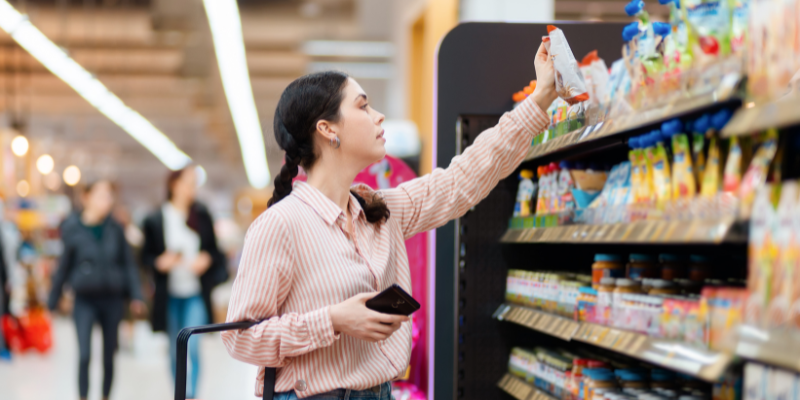
The food label is where marketing loses some of its power. Bright packaging can say “natural,” “light,” “organic,” or “made with real fruit,” but the numbers tell you what the product is asking your body to handle. Label reading does not need to become an obsession. It needs to become a quick filter.
Find Added Sugars Before the Front Label Distracts You
Added sugar has a way of hiding behind better-sounding words. Cane juice, brown rice syrup, agave, honey, fruit juice concentrate, malt syrup, and dextrose may feel different on a package, but they still add sweetness beyond what the food naturally contains. The body does not give a brand extra credit for prettier wording.
A smart grocery habit is to check added sugars first, then ingredients second. If a “healthy” snack has sugar near the top of the ingredient list, treat it like a sweet food. That does not mean you can never buy it. It means you should stop pretending it belongs in the same category as nuts, fruit, eggs, beans, or plain yogurt.
Cut added sugar most effectively by comparing similar products. One pasta sauce may contain far more sugar than the jar beside it. One sandwich bread may taste almost the same as another while carrying a higher sugar load. The win comes from choosing the lower-sugar version of something you were already going to eat.
Use Serving Sizes Like a Reality Check
Serving sizes can make a product look more innocent than it is. A bottled drink may list sugar for one serving while the bottle holds two. A dessert cup may look small until the label reveals what one serving means. Food companies know people skim. That is why careful readers have an edge.
The real question is simple: how much will you actually eat or drink? If the answer is the whole bottle, the whole bag, or the full container, multiply the numbers before you decide. This one habit can change how you see snacks in a grocery aisle.
Low sugar choices become easier when you compare the item to your real behavior, not the serving size fantasy. Nobody feels satisfied eating three spoonfuls of ice cream from a pint and putting it back every time. Honesty beats math tricks, especially when your health is the one paying the bill.
Managing Cravings Without White-Knuckle Discipline
Cravings are not character flaws. They are signals shaped by sleep, stress, blood sugar swings, habit loops, emotions, and environment. Fighting them with pure discipline can work for a day, maybe two, but daily life eventually pushes back. Better craving control starts before the craving gets loud.
Pair Sweetness With Foods That Slow the Rush
Sweet foods cause fewer problems when they do not arrive alone. Fruit with nuts, dark chocolate after a protein-rich meal, or a small cookie after dinner often lands better than candy eaten on an empty stomach at 3 p.m. The goal is not to drain joy from food. It is to stop sugar from running the whole show.
Healthy eating habits work best when they respect pleasure. A person who loves sweets does not need a lecture about kale. They need a way to enjoy something sweet without letting it trigger a long snack spiral. Pairing sweetness with protein, fat, or fiber gives the body more to work with.
A useful rule is to stop making sweet foods the rescue plan for hunger. Eat a real meal first. When hunger is handled, dessert becomes a choice instead of an emergency, and that difference matters more than people admit.
Change the Environment Before the Craving Starts
The easiest food to eat is the food within reach. That sounds obvious until you notice how many offices, gas stations, checkout lanes, school events, and break rooms are designed around sugar access. Your surroundings are not neutral. They are constantly voting for convenience.
Home setup can protect you. Keep fruit visible, place water where you usually sit, store sweets out of sight, and portion snacks before the craving hits. A candy bag in a top cabinet feels different from a bowl on the counter. Distance gives your better judgment room to speak.
Sugar Reduction is not about proving you can stare down cookies every night. It is about not forcing yourself into that fight so often. A smart environment makes the choice quieter, and quiet choices are easier to repeat.
Making Smarter Swaps That Still Feel Like Real Food
Food swaps fail when they feel like punishment. Nobody sticks with a routine built on sadness, chalky snacks, and meals that taste like a compromise. The better path keeps comfort, flavor, and culture in the picture while lowering the sugar load in places that do not deserve so much power.
Replace Sweet Drinks Before Reworking Every Meal
Sweet drinks are often the cleanest first target because they add sugar without much fullness. Soda, sweet tea, lemonade, energy drinks, fancy coffee drinks, and bottled fruit drinks can disappear quickly while leaving hunger untouched. That makes them expensive in more ways than one.
Start with a bridge, not a cliff. Mix sweet tea with unsweetened tea. Order a smaller coffee drink. Choose sparkling water with citrus at lunch. Add mint, cucumber, or berries to water at home. The point is to reduce the sweet baseline until your usual drink no longer needs to taste like syrup.
Low sugar choices in drinks can change the whole day because beverages repeat so often. Once your drinks calm down, meals feel easier to manage. You remove a major source of sweetness without arguing with every plate of food.
Keep Dessert, But Give It a Clear Place
Banning dessert can backfire because forbidden foods gain drama. A planned dessert after dinner often works better than random grazing through the evening. Structure removes the sneaky feeling, and that alone can reduce overeating.
Choose desserts that actually satisfy you. A small bowl of ice cream eaten slowly beats a handful of candy grabbed while standing in the pantry. A bakery cookie you love may serve you better than a box of low-quality sweets that never quite hits the mark.
Diet control grows stronger when treats have boundaries. You can enjoy dessert without letting dessert become the background music of every night. Keep it intentional, keep it worth eating, and stop giving cheap sugar your best attention.
Conclusion
A healthier relationship with sugar begins when you stop treating every sweet bite as a moral event. Food is not a courtroom, and guilt has never built a lasting routine. The real progress comes from noticing patterns, changing repeat purchases, planning better breakfasts, calming sweet drinks, and building meals that do not leave cravings in charge.
Sugar Reduction works best when it feels like an upgrade, not a sentence. You are not trying to become the person who never enjoys dessert. You are becoming the person who can tell the difference between a treat that brings pleasure and a habit that quietly takes over.
Start with one daily item this week. Choose the drink, breakfast, snack, or sauce that shows up most often, then lower the sugar there before touching anything else. One cleaner default can do more for your health than ten dramatic rules you abandon by Friday.
Frequently Asked Questions
What are the best sugar reduction methods for beginners?
Start with drinks, breakfast foods, and packaged snacks because those habits repeat often. Replace one sweetened item at a time instead of changing everything at once. Slow changes give your taste buds time to adjust and make the routine easier to keep.
How can I cut added sugar without feeling deprived?
Keep foods you enjoy, but reduce how often sugar appears by default. Choose planned treats instead of random snacking, pair sweet foods with protein or fiber, and lower sweetness gradually in coffee, yogurt, cereal, and drinks.
What low sugar choices work best for busy mornings?
Plain Greek yogurt with berries, eggs with toast, oatmeal with nuts, cottage cheese with fruit, or peanut butter on whole grain bread can work well. These meals feel simple, travel better than many cooked breakfasts, and help reduce midmorning cravings.
How do healthy eating habits reduce sugar cravings?
Balanced meals with protein, fiber, and healthy fats help prevent sharp hunger swings. When meals satisfy you longer, sugar cravings lose some urgency. Sleep, hydration, and regular eating times also make cravings easier to manage.
Are natural sweeteners better than regular sugar?
Honey, agave, maple syrup, and coconut sugar may sound healthier, but they still add sweetness and calories. They can fit in small amounts, but they should not become a free pass. The bigger goal is lowering overall sweetness.
How can families reduce sugar at home?
Start with shared foods such as drinks, cereals, snacks, sauces, and desserts. Keep fruit visible, buy fewer sweet drinks, and offer filling meals before treats. Avoid turning sugar into a fight, especially with kids, because pressure often creates resistance.
What foods hide the most added sugar?
Flavored yogurt, granola, breakfast bars, pasta sauce, salad dressing, ketchup, bread, canned soup, coffee drinks, and bottled teas often contain added sugar. Checking labels on repeat purchases can reveal the biggest sources in your own routine.
Can I still eat dessert while improving diet control?
Dessert can fit when it has a clear place and portion. Eat it intentionally after a meal instead of grazing at random. Choose something you truly enjoy, slow down while eating it, and avoid keeping large amounts within easy reach.